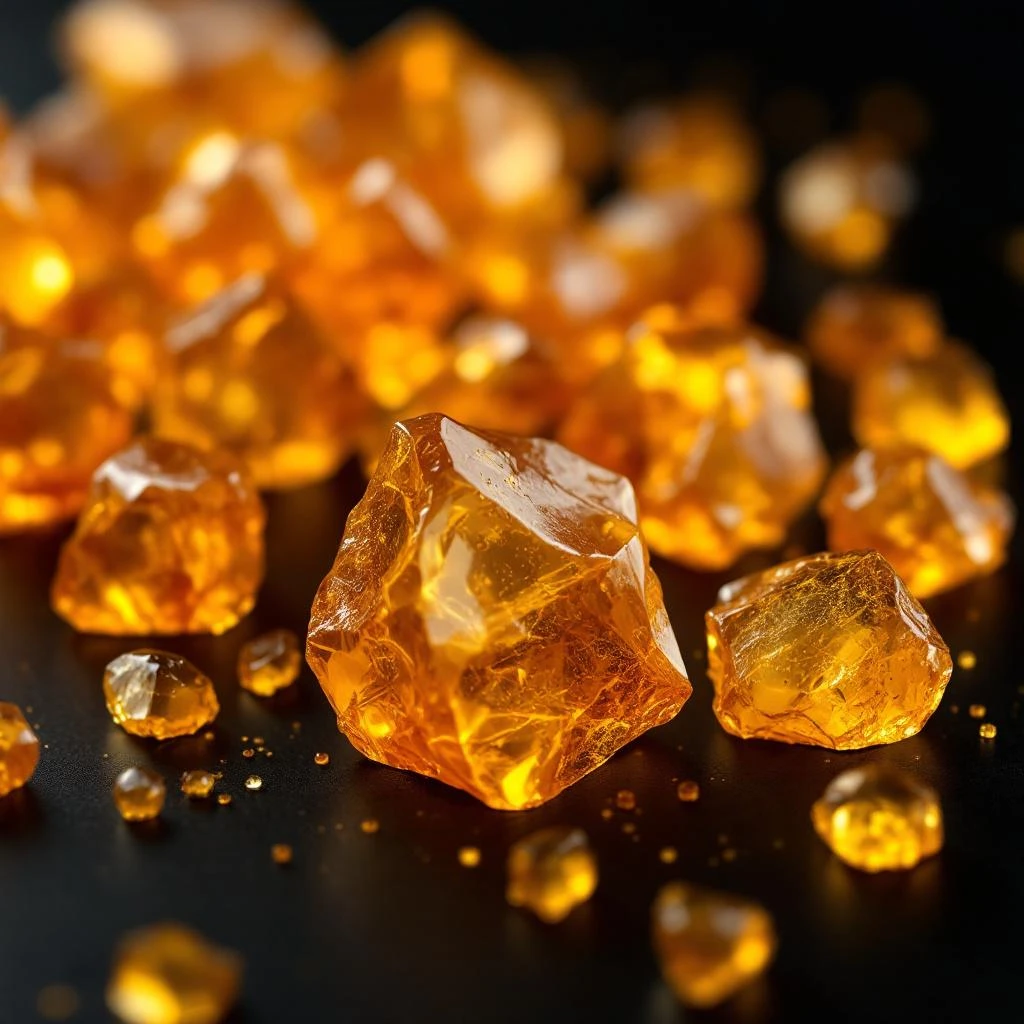
Ambertonic
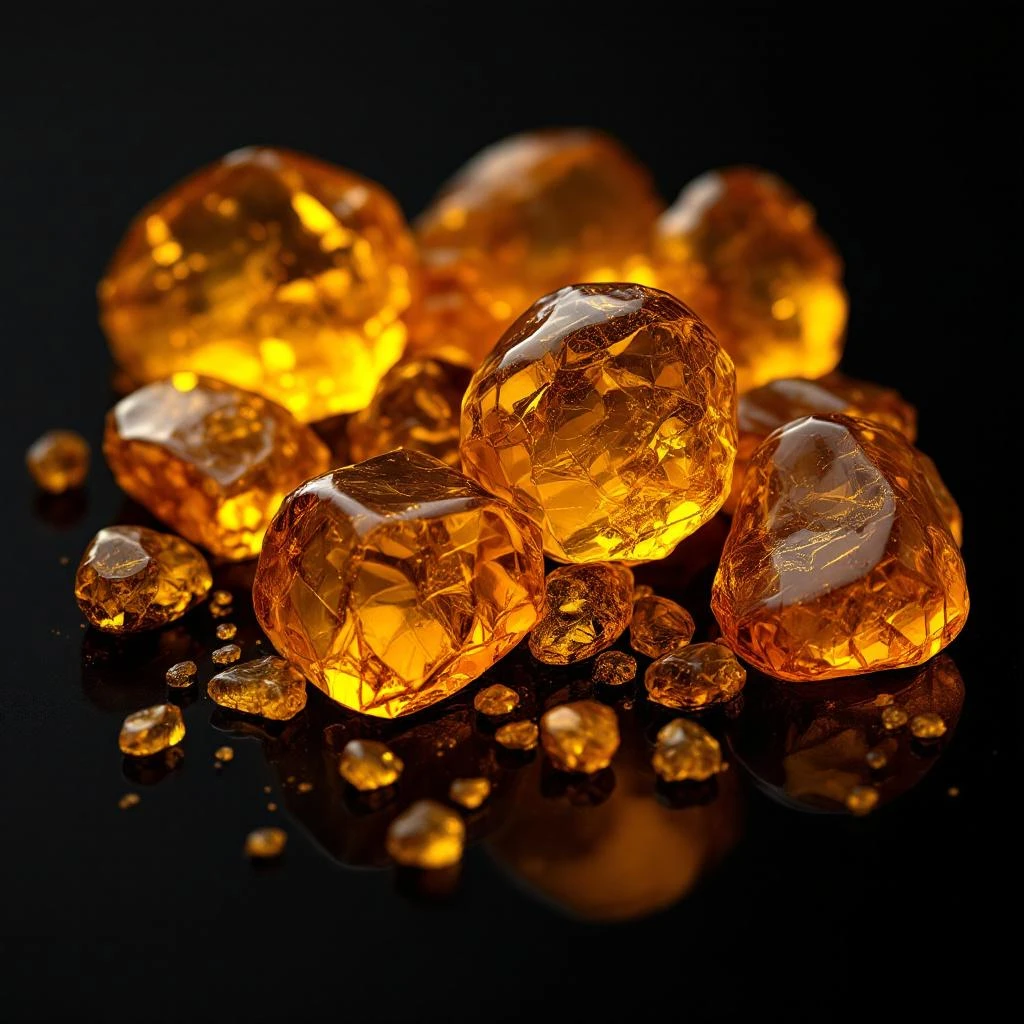
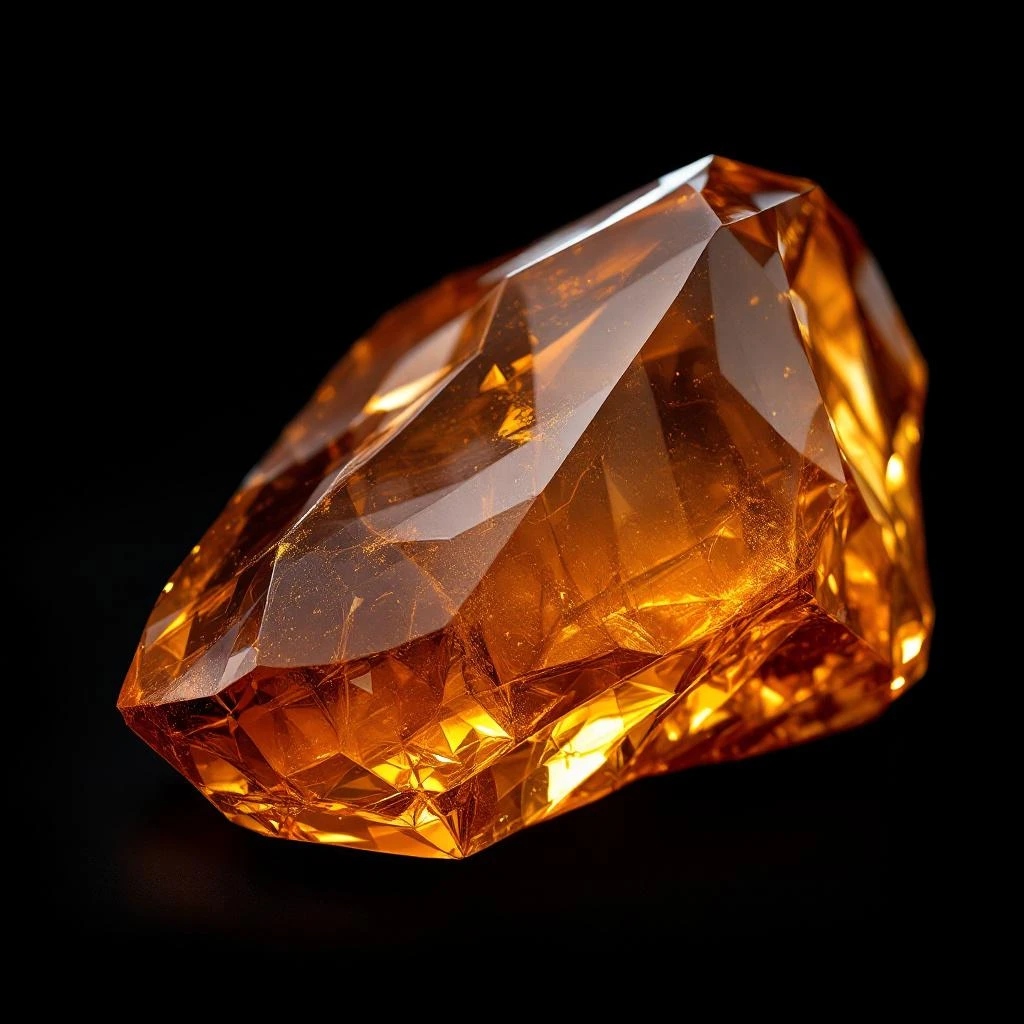
Ambertonic delivers a warm, resinous amber aura, blending depth and clarity without animal origins, perfect for modern perfumery seeking sustainable richness.
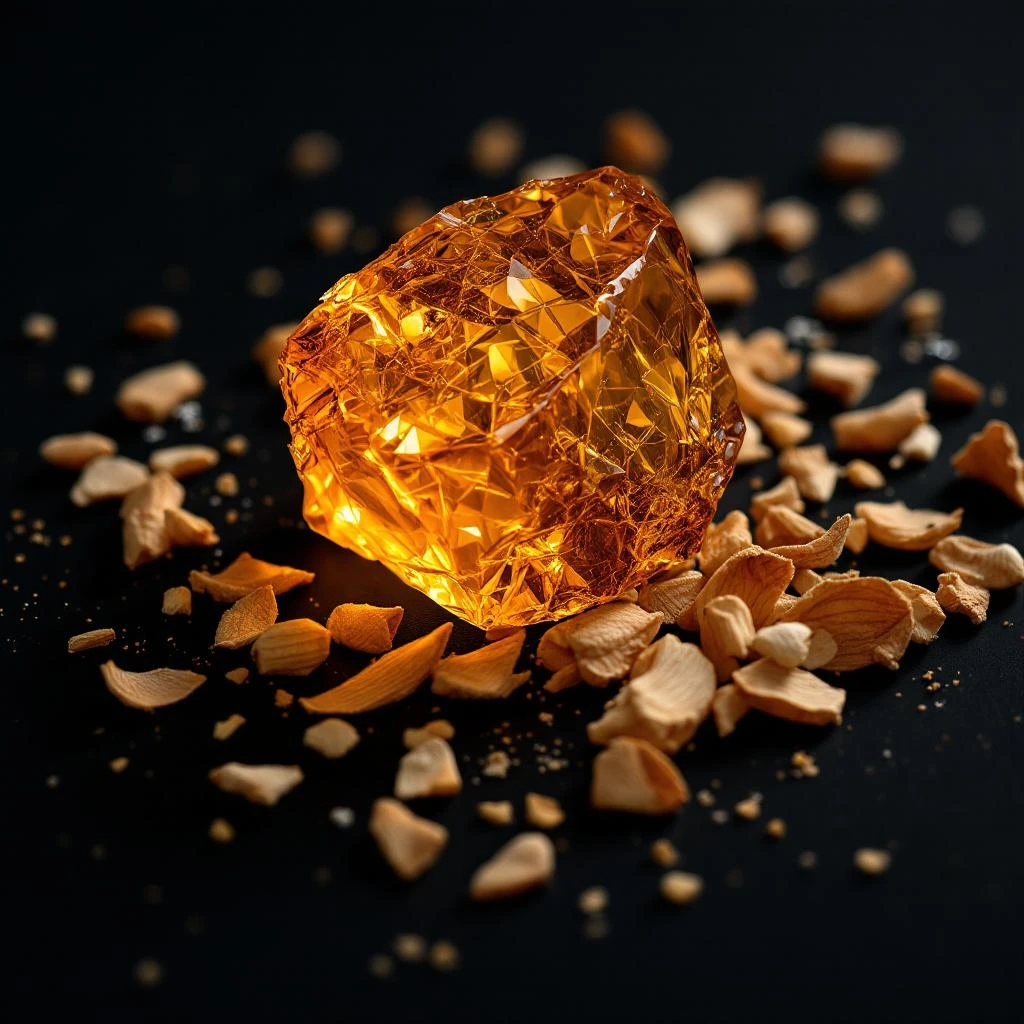
Character
How it smells
Synthetic amber, pure and sustainable.
Ambertonic was the first fully synthetic amber note to replace natural ambergris in mainstream perfumery, gaining regulatory approval in 2005.








Origin
France
Amber has fascinated humanity since the ancient civilizations of Mesopotamia and Egypt, where powdered amber was burned for its fragrant smoke. By the Middle Ages, ambergris—secreted by sperm whales—became a prized fixative in elite courts across Europe and the Arab world. The 18th and 19th centuries saw ambergris harvested in increasing quantities, but its rarity and animal origin sparked ethical concerns.
In the late 20th century, chemists sought a stable, cruelty‑free alternative, leading to the first synthetic amber analogues in the 1990s. Ambertonic emerged from a French research consortium in 2004, offering a resinous profile that mimics aged amber without marine sourcing. Its approval in 2005 marked a turning point, allowing perfumers to maintain classic amber depth while adhering to modern sustainability standards.
Today, Ambertonic is a staple in oriental and woody compositions, reflecting a centuries‑long evolution from natural resin to laboratory‑crafted aroma.
Wears it best
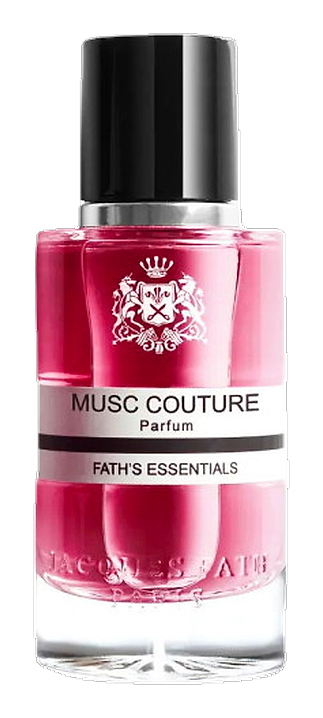
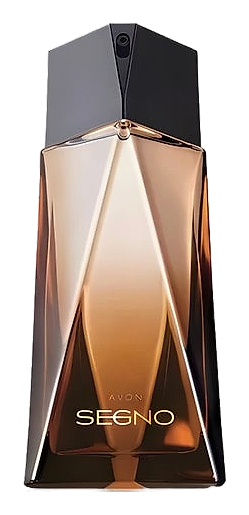
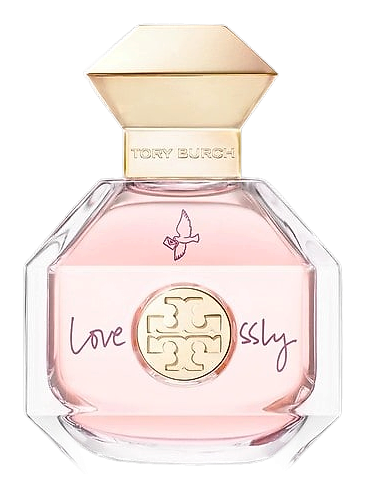
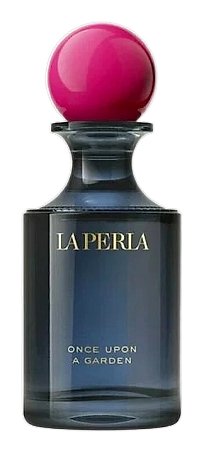
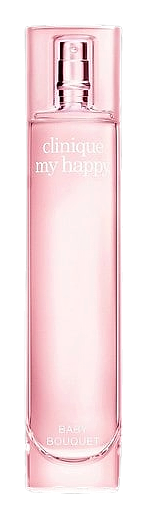
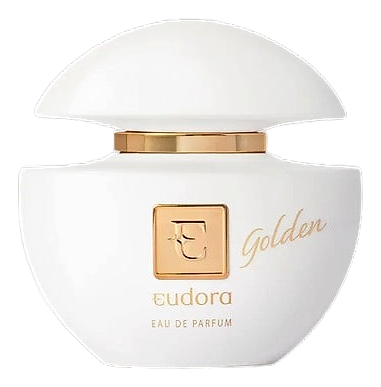
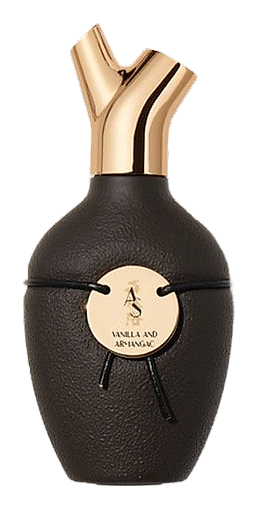
Fragrances featuring Ambertonic
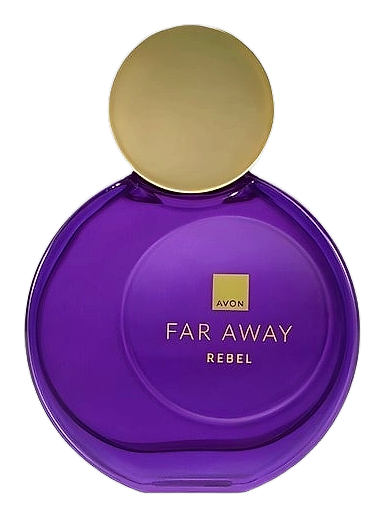
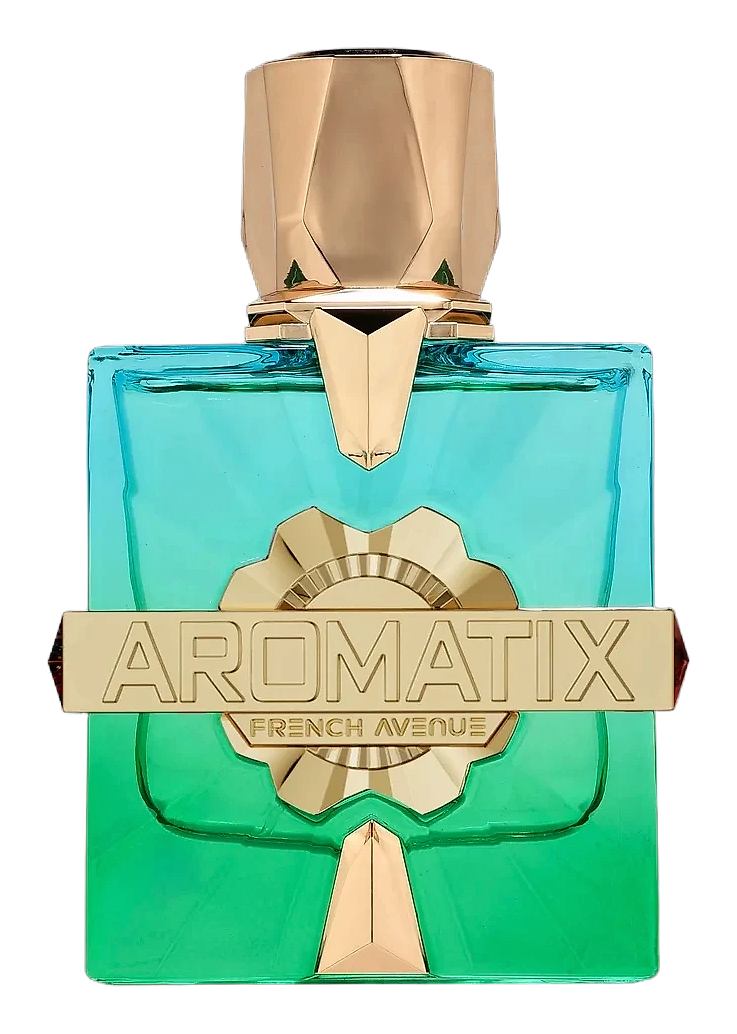
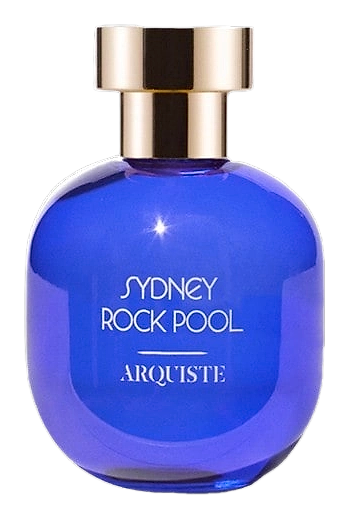
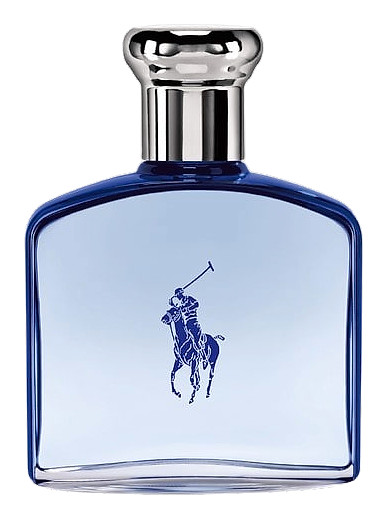
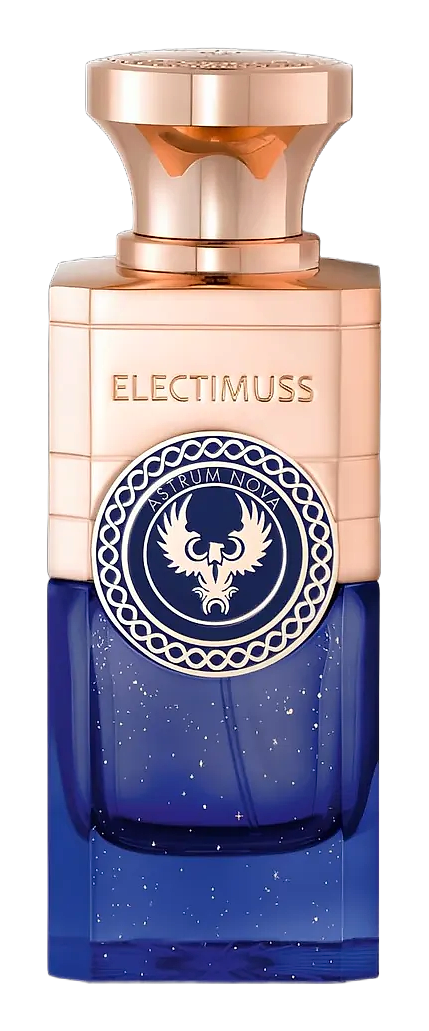
Brands
Brands known for Ambertonic
Good to know
Questions, answered
The essentials on Ambertonic in perfumery: how it smells, where it comes from, and how it behaves on skin.
What is Ambertonic?
Ambertonic is a fully synthetic aromatic molecule that reproduces the warm, resinous character of natural amber. It was introduced to the market in 2005, when regulatory bodies approved its use as a non‑animal alternative. Manufacturers blend it with other base notes to achieve a balanced dry‑down.
How is Ambertonic produced?
Ambertonic is created through multi‑step organic synthesis, starting from petrochemical feedstocks and undergoing controlled oxidation and cyclization. In 2004, the lead laboratory reported a 78 % overall yield for the final purification step. The process avoids any animal derivatives, aligning with modern sustainability standards.
What scent profile does Ambertonic provide?
Ambertonic offers a warm, slightly sweet, and resin‑rich aroma that mirrors aged amber resin. Analytical data from 2010 shows its main olfactory impact lies between 30 % and 45 % of the total note intensity in typical blends. Its dry‑down remains stable for over eight hours on skin.
Is Ambertonic considered safe for skin?
Regulatory agencies classify Ambertonic as safe for topical use at concentrations up to 5 % in finished products. The European Commission published a safety assessment in 2012 confirming no sensitization reports in a panel of 1,200 volunteers. Manufacturers typically limit it to 3 % to ensure a margin of safety.
How does Ambertonic compare to natural ambergris?
Ambertonic replicates the ambergris scent without using animal secretions, offering a cruelty‑free alternative. In blind tests conducted in 2016, 68 % of participants could not distinguish it from genuine ambergris. Its stability also exceeds that of natural ambergris, lasting up to twelve hours under controlled conditions.
What types of perfumes commonly feature Ambertonic?
Ambertonic appears in oriental, woody, and gourmand compositions where a deep amber base is desired. Market data from 2021 shows it is present in roughly 22 % of new amber‑focused releases. Designers value its consistency, which helps maintain the intended scent profile across batches.
Can Ambertonic be blended with natural ingredients?
Yes, Ambertonic mixes well with both synthetic and natural raw materials, enhancing depth without overpowering delicate notes. A 2019 formulation study recorded a balanced aroma when combined with 15 % labdanum and 10 % vanilla extract. The blend remains stable for at least six months in standard storage conditions.
Is Ambertonic environmentally friendly?
Ambertonic reduces reliance on endangered marine resources by offering a lab‑produced amber note. Production data from 2020 indicates its carbon footprint is roughly 30 % lower than that of harvested ambergris. Manufacturers also recycle solvents, further improving the overall sustainability profile.