The Story
Why it exists.
The beginning
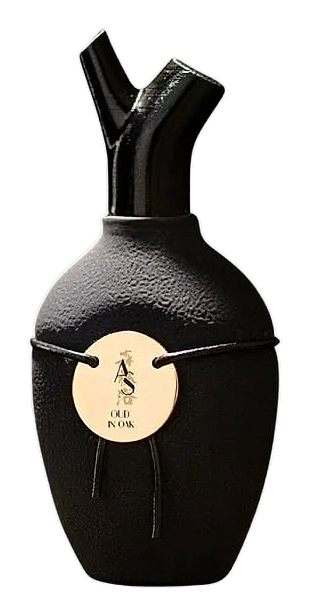
Oak in Oak is the kind of name that doesn't hedge. It's a fragrance that tells you exactly what it is before you unscrew the cap, and then it spends the next several hours proving the name wasn't a marketing convenience. Céline Barel composed it around a single stubborn idea: oak, but twice, but layered with everything that hangs in the air around a tree that's been cut and cured for years. The cumin, the saffron, the frankincense, the orris, none of it decorates the oak. They argue with it. The bottle reads like a study in friction, spicy green giving way to a wood so dry you can almost feel the grain under your thumb. The name is literal. Oak in oak. A fragrance that commits to its central material the way a sculptor commits to marble, refusing to pretend the stone isn't the point.
What's genuinely unusual here is the note architecture. Amber Xtreme anchors an old-fashioned spice and resin structure, lending a modern amber quality that gives the base its heat. Cumin, often treated as a background whisper, sits front and center, contributing a distinctive character that helps the oak read less like furniture and more like the air around a working wood shop. The frankincense and saffron pairing gives the composition an incense-like gravity, pulling the spices toward something contemplative without sliding into sweetness.
The evolution
The first thirty minutes are deceptive. Cumin leads, green-spicy with a subtle touch of funk, joined by saffron's golden thread and frankincense's smoke. It feels lighter than you'd expect from something called Oak in Oak. Almost like the fragrance is clearing its throat. Then the oak arrives. Dry, biting, with a subtle sour touch, a realistic oak scent that cuts through the spice and stakes its claim on the composition. The orris settles in, powdery and cool, softening the oak's rough grain. Tonka's warmth rounds the corners as the cumin fades back into the structure rather than dominating it. The transition from opening to heart takes time, and it's where the fragrance earns its name. What began as a spicy-aromatic arrangement slowly densifies into something woody and warm without losing the spice entirely. The drydown is where Amber Xtreme earns its placement.
Cultural impact
Oak in Oak sits in a small and specific category: fragrances where a single material is both subject and object. It's a composition that smells like what it says it is, and it asks the wearer to be interested in that specific proposition. There's no sweetness to soften the entry, no gourmand layering to round the edges, no oud-style density to provide cover. The appeal is the texture itself: dry, woody, spicy in a green rather than a sweet way, and confident enough to let the oak's particular character, biting, slightly sour, deeply dry, do the talking.