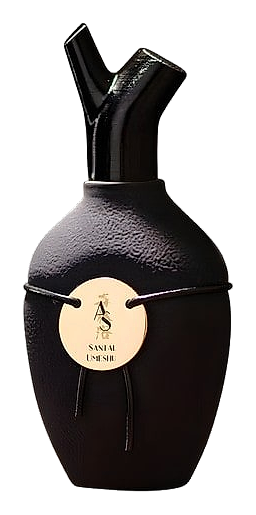

The Story
Why it exists.
The beginning
Umeshu isn't subtle. It arrests the palate with acidity, then softens into something almost savory. That three-dimensional flavor profile is exactly what makes this fragrance so compelling. The result opens with that same arresting sourness, the umeshu plum taking over immediately, unapologetically, before the sandalwood settles in warm, creamy, and quietly umami. The sandalwood provides a smooth counterpoint, holding the composition together without overwhelming it. Powdery ambrette seed gives the drydown its final softness, lingering close to the skin with a gentle persistence. This is a fragrance about contrast: sharp then smooth, bright then warm, East then West.
What makes Santal Umeshu unusual is the material at its center. Umeshu, Japanese plum liqueur, isn't a standard perfumery ingredient. It brings sourness, sweetness, and a savory depth that most fragrance materials cannot replicate. In this composition, the umeshu note brings its character throughout the development, lending the fragrance a distinctive personality that evolves as it dries down. The sandalwood doesn't compete with it. It cradles it, letting the plum's acidity soften into something warm and almost edible as the hours pass.
The evolution
The opening is Umeshu, full stop. Mandarin orange brightens the top, but the Japanese plum liqueur is the one already taking over. It's sour, almost tart, with the green violet leaf absolute cutting through like stems snapped fresh. Fresh-cut stems, a little leafy. Clean heat from Madagascan ginger. For the first hour, this is a green fragrance wearing a plum costume. The heart is where umeshu stops being a cameo and becomes the lead. The plum-liqueur character deepens. Green violet leaf absolute brings its dewy quality, like crushed stems after rain. Davana adds sweet-bitter complexity, and the caraway introduces a quiet spice that keeps the heart from becoming too soft. Vanilla CO2 begins to surface, adding warmth beneath the green notes. The drydown is sandalwood's time. It wraps everything in creamy warmth.
Cultural impact
Santal Umeshu stands out for its unusual Japanese plum liqueur note and the way it blends sour-sweet and powdery elements. It appeals to fragrance lovers seeking something with real character rather than mainstream appeal. The umeshu note brings a distinctive personality that sets this fragrance apart from more conventional interpretations, creating something that rewards attention and invites exploration.
The House
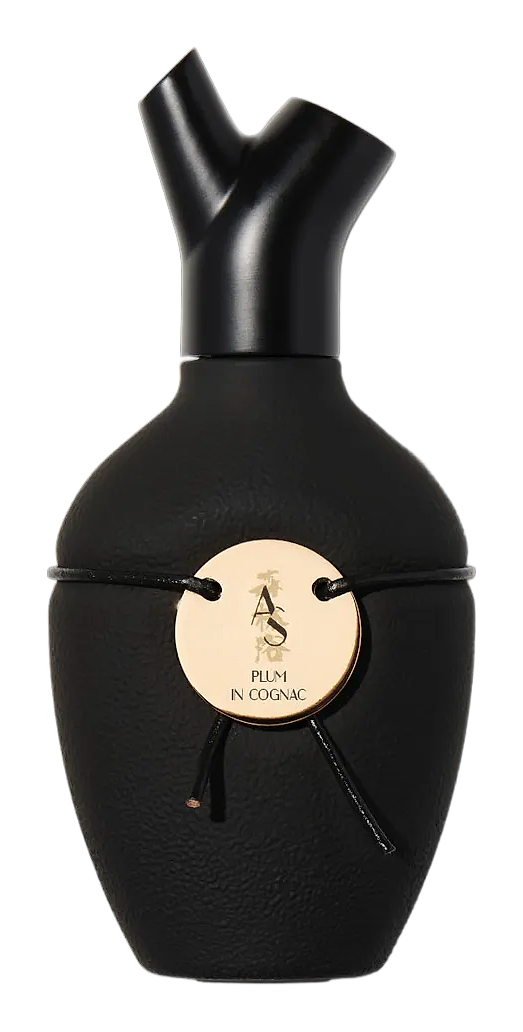
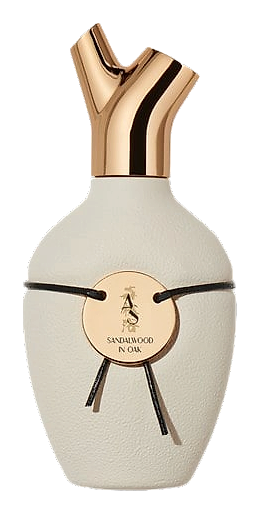
Scents of WoodScents of Wood is a Utah-based fragrance house built around a radical premise: the alcohol base should not merely carry a scent, but become part of it. Founded by former L'Oréal executive Fabrice Croisé, the brand ages organic cane alcohol in pre-used wooden barrels sourced from Scotland, Kentucky, Cognac, and beyond, infusing each fragrance with nuanced layers of whiskey, maple, and aged wood. Operating under three names across markets (Scents of Wood, L'Âme du Bois, Shinrin-yoku), the house presents itself as a love letter to forests and the olfactory world of trees. Top seller Plum in Cognac received the 2021 Fragrance Foundation Perfume Extraordinaire of the Year Award. Perfumer Mackenzie Reilly crafted the signature scent Sandalwood in Oak, released in 2020 alongside the brand's founding.
The Creator
Céline BarelBarel favors a restrained, mineral freshness that appears most clearly in her work for Aesop, particularly Tacit and Aurner, where citrus and wood build something both spare and lasting. Her zoological work for Zoologist, including Squid and Dragonfly, shows a different regist…