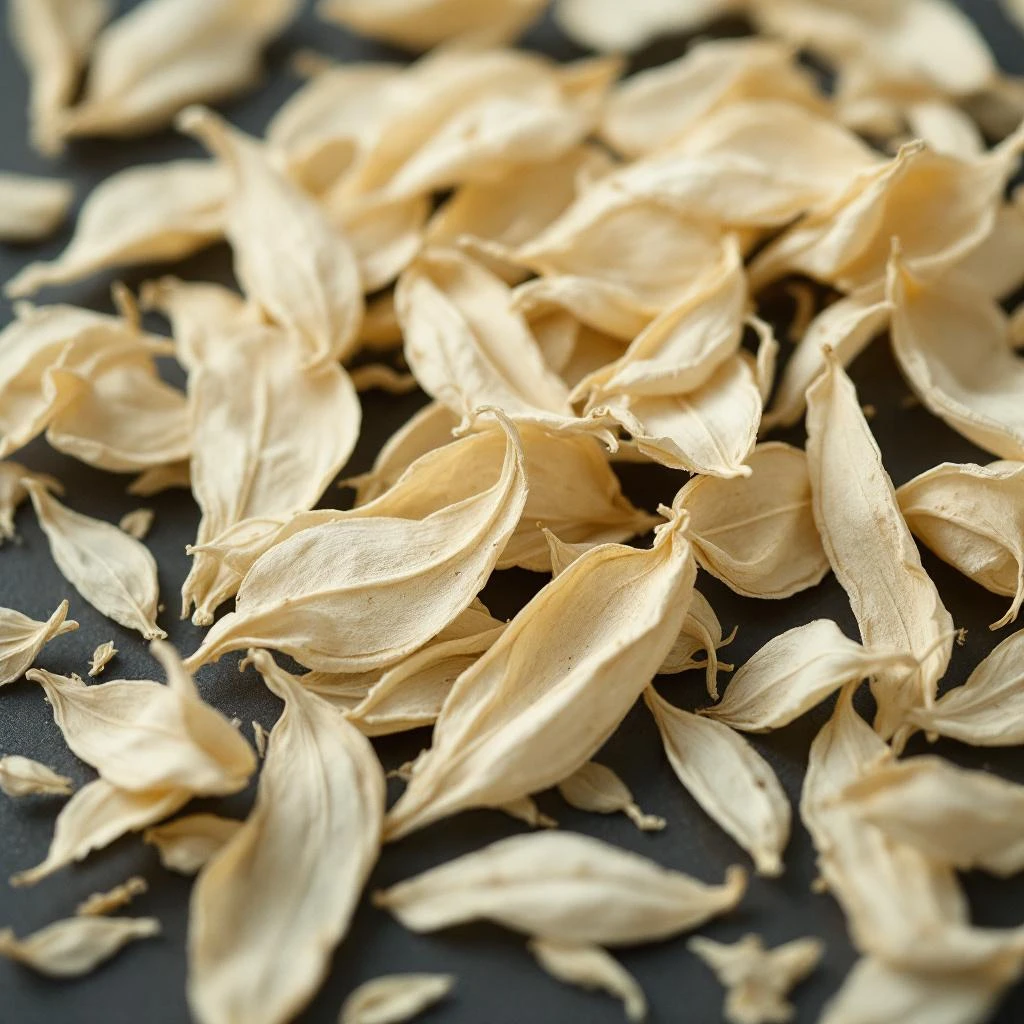
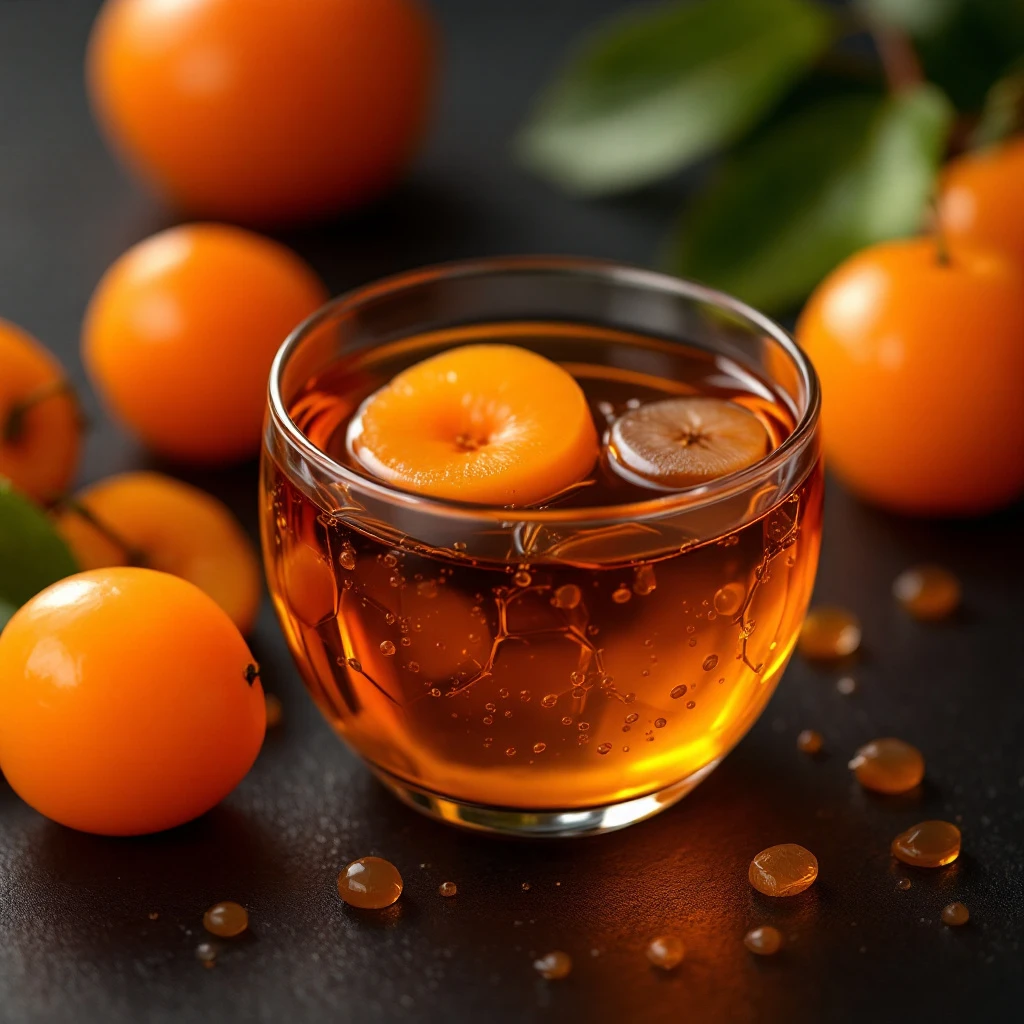
Umeshu
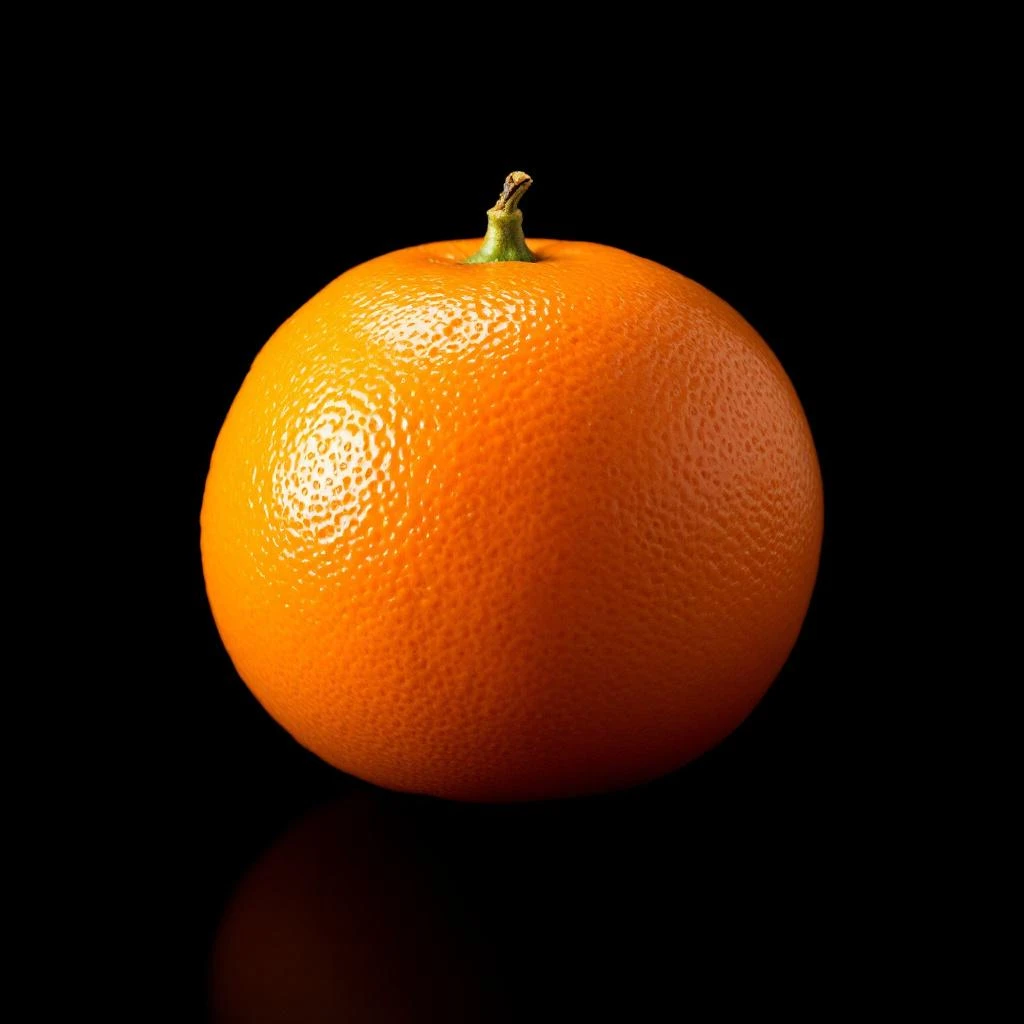
Ume (Prunus mume) delivers a rare combination of tart, floral, and almost almond-like warmth to perfume. Native to East Asia, this Japanese plum carries a scent profile unlike any Western fruit, built on delicate floral esters and soft fruit acids that evoke both spring blossoms and ripe fruit in a single breath.
Character
How it smells
The Japanese plum that bridges blossom and fruit in perfumery.
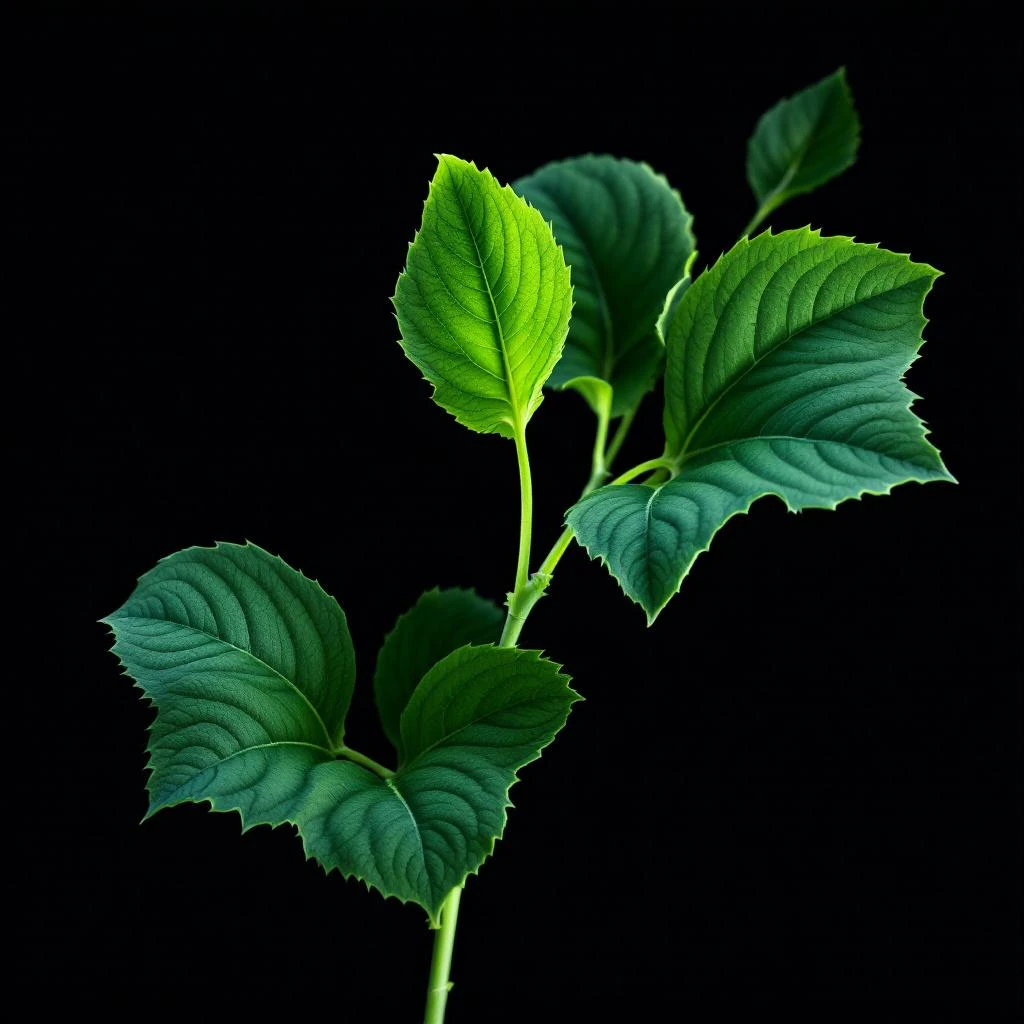
The ume fruit is botanically closer to an apricot than to a Western plum, which is why its scent carries a distinctive tartness rarely found in other stone fruits.


Origin
Japan
Ume (Prunus mume) originated in the mountains of China where it grew wild for millennia before human cultivation began. Chinese texts from the Han dynasty record ume as both food and medicine, prized for its tartness and preservative qualities. Buddhist monks carried the plant to Japan during the Nara period (710-794), and cultivation expanded rapidly.
By the Muromachi era (1336-1573), ume had become central to Japanese culinary culture. The liqueur umeshu emerged during the Edo period (1603-1868) when pharmacists steeped ume in shochu with sugar as a medicinal tonic, though it quickly became a social drink. Wakayama Prefecture in the Kii Peninsula, where warm winters and steep slopes create ideal growing conditions, became the heart of ume cultivation, producing some of the world's finest fruit.
Today it remains one of Japan's most culturally significant fruits, celebrated each February when ume blossoms mark the transition from winter to spring. Perfumery adopted ume note progressions in the 1990s as Japanese fragrance houses sought to translate national botanical identity into international scent vocabularies.
Wears it best
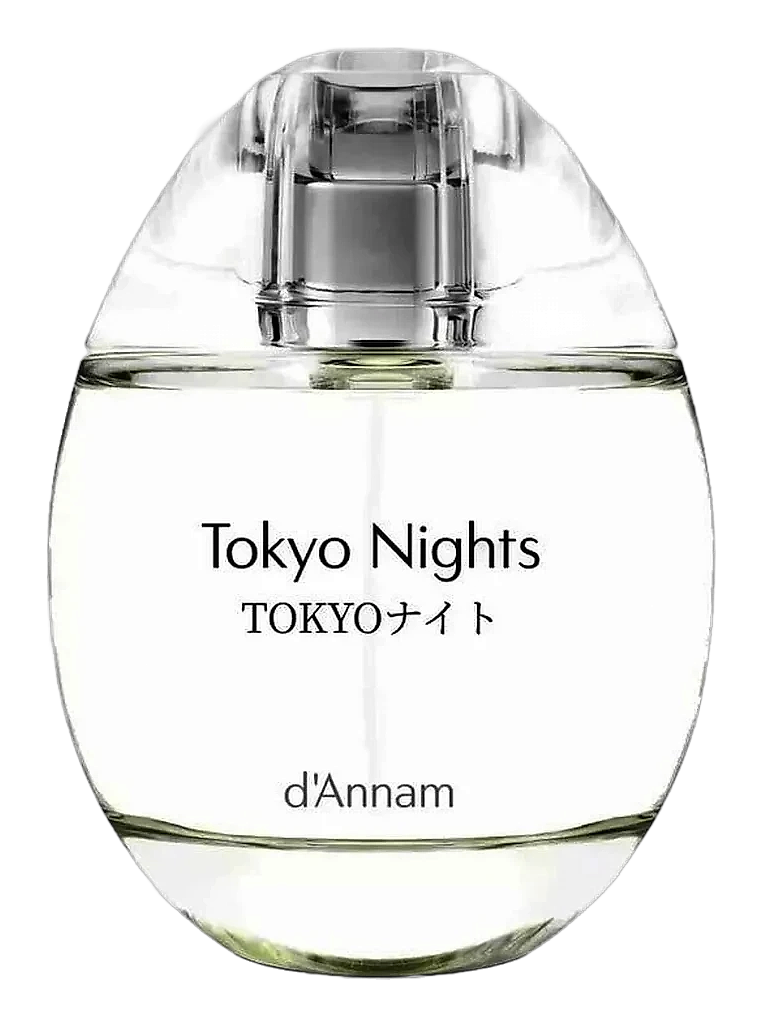
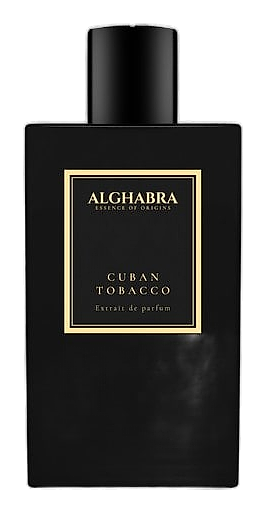
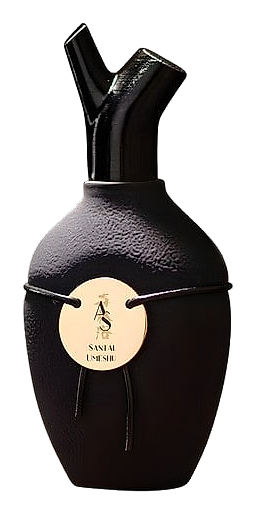
Fragrances featuring Umeshu
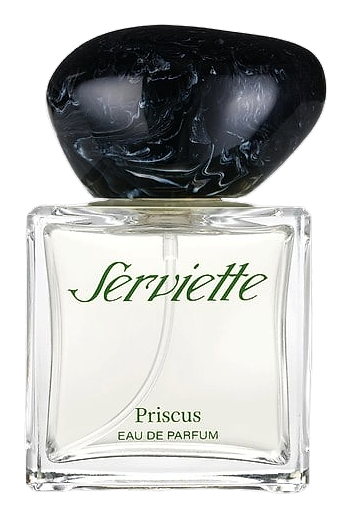
Brands
Brands known for Umeshu
Good to know
Questions, answered
The essentials on Umeshu in perfumery: how it smells, where it comes from, and how it behaves on skin.
What does ume smell like in perfume?
Ume delivers a unique duality of bright fruit acids and soft floral sweetness. Its scent sits between fresh plum and apricot with a faint almond-like warmth, giving fragrances a tart-yet-rounded character rarely found in Western stone fruits.
Is ume natural or synthetic in fragrances?
Both exist. High-quality natural ume absolute comes from solvent extraction or cold enfleurage of the fruit and blossoms, while synthetic recreations of ume's key aromatic esters are common in modern perfumery for consistency and cost.
What fragrance families use ume notes?
Ume appears most often in oriental and fruity-gourmand fragrances. It pairs well with white musks, rice notes, and green tea, aligning with the Japanese aesthetic of clean, slightly sweet complexity.
How does ume differ from plum in perfumery?
Western plum (Prunus domestica) carries deeper, sweeter fruit tones. Ume (Prunus mume) is botanically closer to an apricot, producing a sharper, more floral fruit character with perceptible tartness and lower natural sugar.
Why is Wakayama Prefecture important for ume?
Wakayama Prefecture produces roughly 40% of Japan's ume harvest. Its warm winters, steep hillside slopes, and well-drained soil create ideal conditions for the cold-requiring ume tree, yielding fruit with concentrated aromatic compounds.
Can ume be steam distilled?
Ume's aromatic esters are too heat-sensitive for steam distillation, which degrades the delicate volatile compounds responsible for its signature scent. Solvent extraction and cold methods preserve the profile intact.
What role does ume play in Japanese perfumery?
Ume represents a distinctly Japanese botanical identity in fragrance. Houses like Shiseido and Kao pioneered ume note progressions in the 1990s to express national terroir, influencing global perfumery's approach to non-Western fruit materials.
Is umeshu the liqueur ever used as a fragrance ingredient?
Umeshu liqueur itself is not directly extracted for perfumery. However, umeshu's aromatic profile, shaped by the fruit's natural compounds and the alcohol steeping process, informed perfumers' understanding of how ume translates into scent.