The Story
Why it exists.
The beginning
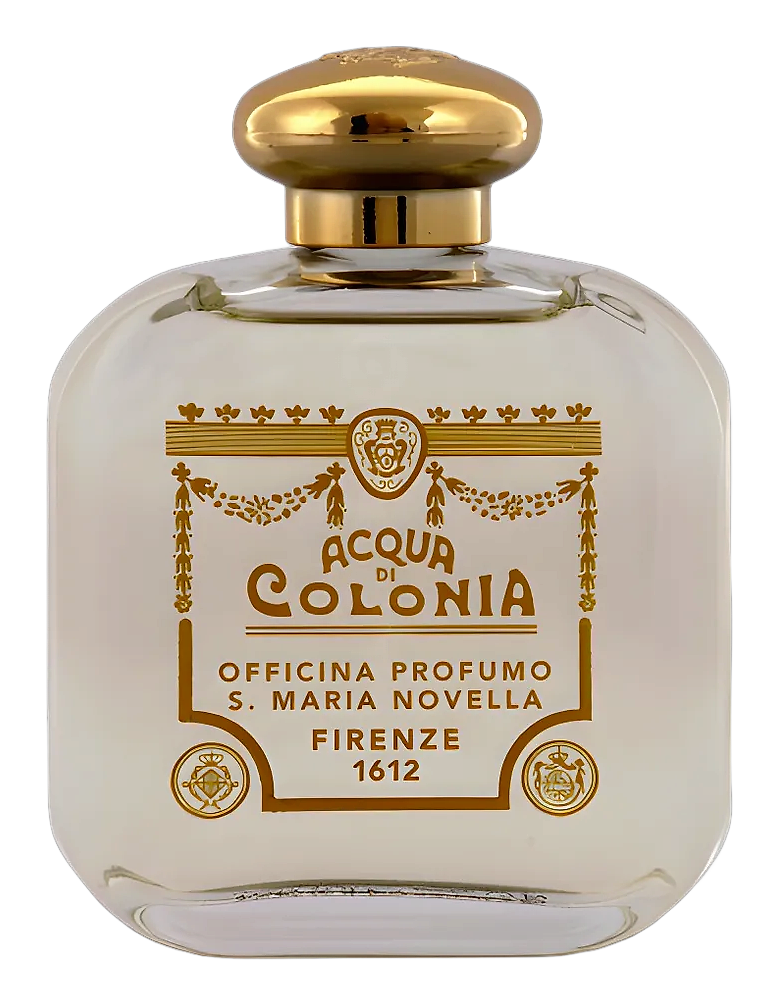
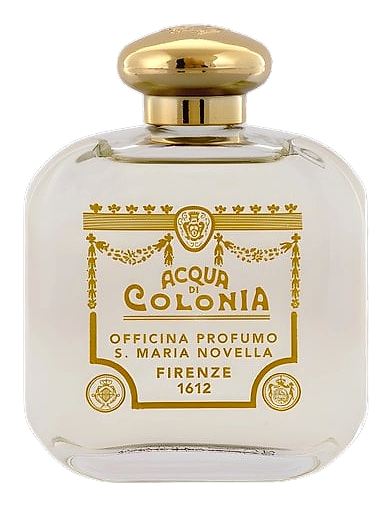
Santa Maria Novella has always treated its apothecary heritage as a text worth reading. The house's botanical inventory, drawn from centuries of Florentine pharmacopeia, gets translated into scent. But the house rarely goes this far into pure floral territory. When the brief was set for Tuberosa, the challenge was deceptively simple: capture the flower without drowning in it. Tuberose has a reputation for overwhelming the wearer, lush, almost too present. The solution was to give it contrast. Ylang-ylang deepens the floral heart, adding tropical richness that anchors the tuberose without suppressing it. The result is a tuberose that feels grounded rather than untethered, still luxuriant, still arresting, but held by something.
The interplay between warm florals and deeper botanical notes defines Tuberosa's structure. As the composition unfolds, the tuberose takes center stage, supported by ylang-ylang that adds an enveloping, slightly sweet depth. What makes this heart distinctive is its restraint: the tuberose is creamy rather than indolic, lush without aggression. There is a sensuality to the flower's presentation that feels deliberate rather than accidental. The overall effect is of a tuberose that has been refined by time and craft, its natural abundance tempered into something more wearable, more nuanced.
The evolution
The first two hours are where Tuberosa makes its case. The opening presents the tuberose immediately, creamy and lush, a sweetness that arrives before you can prepare for it. Ylang-ylang follows within minutes, not as competition but as accompaniment, adding tropical depth that amplifies the flower's natural richness. The heart belongs to tuberose, but it is tuberose in cream, not tuberose in honey. By hour three, the base takes over. What emerges is a lingering warmth that stays close to the skin, the florals settling into something quieter and more intimate. On fabric, the fragrance shows its stamina. Spray a scarf, and the scent survives a wash cycle. This is a fragrance that will still be there the next morning, settled into something quiet and warm.
Cultural impact
Tuberosa represents Santa Maria Novella's most direct floral statement, a departure from the house's complex, multi-layered compositions into something richer and more assertive. The composition positions itself as an alternative for those who appreciate the brand's botanical expertise but crave something more straightforward and lush. What distinguishes Tuberosa is its willingness to commit fully to a single flower, tuberose as protagonist rather than supporting actor. The fragrance speaks to a different side of the house, one that embraces the beauty of singular focus.