The Story
Why it exists.
The beginning
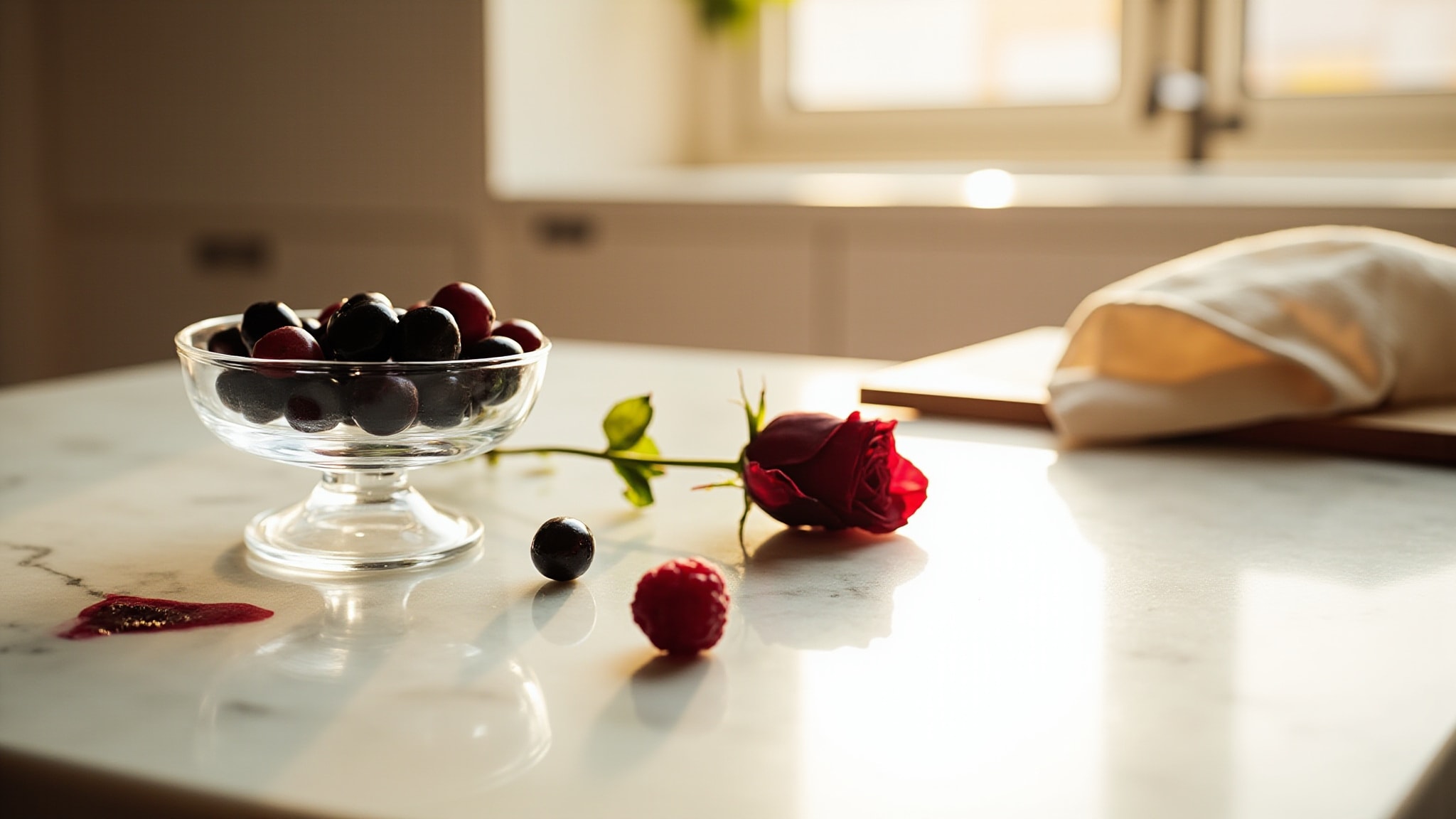
Crazy Red lands in 2026 from the Salvador Dalí fragrance house. The composition reads immediately on the skin: a burst of fruit at the top, a floral heart dressed in musked softness, and a base that grounds the sweetness in something darker and more earthen. It opens with a generous pour of blackcurrant and raspberry, the kind of fruit that feels ripe rather than candied, with pink pepper threading through the sweetness to keep it from sliding into syrup. The heart settles into rose, lifted by the leathery, almost apricot-skin quality that osmanthus brings, while peony adds a dewy softness that keeps the florals from feeling old-fashioned.
What makes Crazy Red worth a second look is how it handles the fruit-floral-musk formula. Blackcurrant and raspberry form the opening, with pink pepper threading through to give the sweetness a faint warmth and a little bite. The fruit notes feel ripe, the way biting into a fresh berry feels, and the pepper keeps them from collapsing into jam. The heart centers on rose, but the osmanthus adds a leathery, almost apricot-skin undertone that gives the floral stage a more textured, almost lived-in quality.
The evolution
The opening of Crazy Red is all fruit. Blackcurrant hits first, cutting sharp and bright, followed quickly by raspberry that reads jammy and ripe, with orange brightening the edges of the composition. Pink pepper hums underneath, adding a faint warmth that keeps the sweetness from feeling heavy. The fruit feels generous but not cloying, closer to biting into something fresh than to drinking syrup. As the first hour passes, the florals begin to take over. Rose is the dominant voice in the heart, but the osmanthus gives it a bruised, almost tea-like quality, the suggestion of rose petals left in a warm room. Peony brings a dewy softness that keeps the heart from feeling powdery or overly traditional. The osmanthus keeps a low, leathery hum underneath the rose, adding depth and a slightly savory edge.
Cultural impact
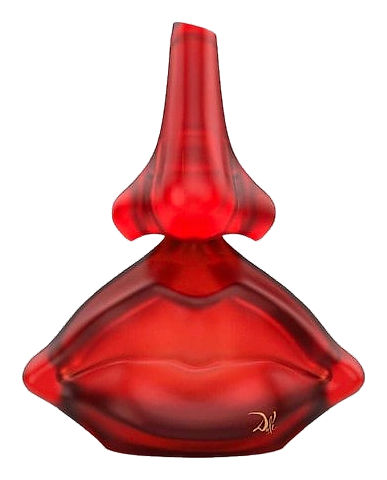
Crazy Red joins the Salvador Dali fragrance catalog as a women's composition built around a single saturated color. It leans fully into its red identity, naming the fragrance after the dominant hue rather than a literal object, and lets that color carry the storytelling. The composition itself is a clear fruit-floral-musk structure: blackcurrant and raspberry at the top, with pink pepper threading a faint warmth through the sweetness; rose, osmanthus, and peony at the heart, where the osmanthus adds a leathery, apricot-skin quality to the rose and the peony keeps the bouquet from feeling old-fashioned; and ambergris, patchouli.