
The Story
Why it exists.
The beginning
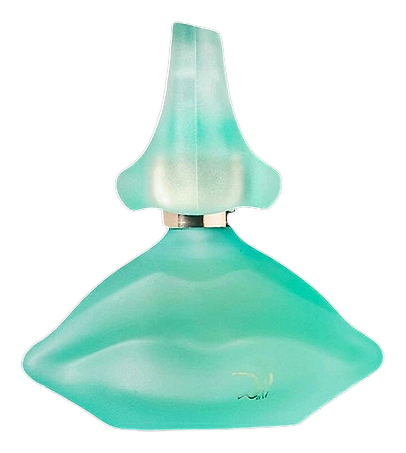
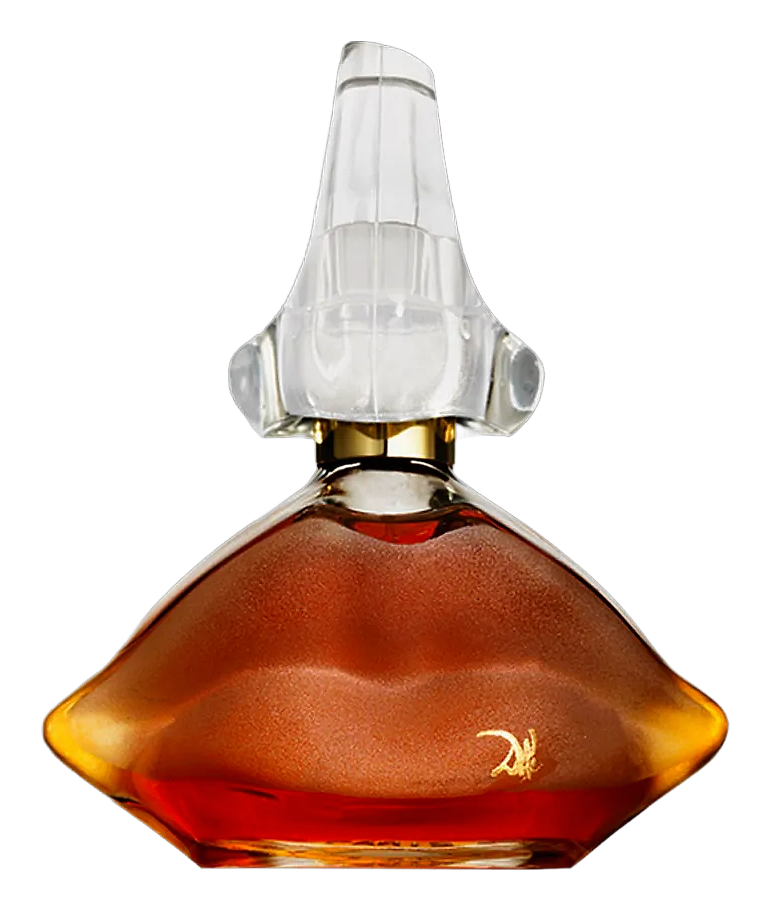
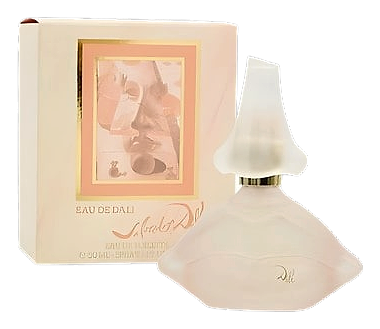
Eau de Dali arrived in 1995 with Karoline Vieth at the composition. The heart moved into white florals, lily of the valley, iris, ylang-ylang, softened by rose. These white florals create a delicate, almost translucent quality in the heart, lily of the valley lending its clean, green-tinged brightness while iris adds that distinctive powdery softness that grounds the composition. Ylang-ylang brings a creamy, slightly sweet tropical depth that weaves between the sharper florals, creating a heart that feels both ethereal and present. Rose softens the edges further, adding a romantic warmth without overwhelming the more restrained notes surrounding it. Cedar and sandalwood anchor the base, with vanilla and amber adding warmth that stays close to the skin.
Lily of the valley and iris keep the sweetness from becoming diffuse, providing a translucent quality to the heart that feels both delicate and grounded. The floral notes interact with surprising restraint, each one allowing the others space rather than competing for attention. Cedar and sandalwood form the woody foundation, their dry, clean character providing architectural strength without heaviness. Sandalwood's creamy warmth softens cedar's sharper edges, creating a base that breathes rather than saturates.
The evolution
The citrus top announces quickly: bergamot, grapefruit, a flash of lemon, and green notes that give the opening an herbal undertone rather than pure sweetness. Peach and pineapple arrive within minutes, softening the citrus without replacing it. Rose and jasmine layer in, giving the heart a powdery warmth that avoids being overly sweet. The drydown brings cedar and sandalwood to the foreground as the florals recede. Vanilla and amber add warmth that lingers close to the skin. The composition maintains its character throughout wear, with the various elements appearing in their own time rather than all at once. The sillage remains present but refined, noticeable to those nearby without announcing itself loudly across a room.
Cultural impact
Eau de Dali arrived in 1995 as part of a brand that treated fragrance as self-authored performance. A fruity-floral with genuine structure and a drydown that stays close, it offered something different from what dominated the market at the time. The composition balanced sweetness with restraint, creating a fragrance that felt personal rather than formulaic. For someone seeking something with depth and subtlety, it provided an alternative to more straightforward interpretations of the fruity-floral genre.