Plum Tree
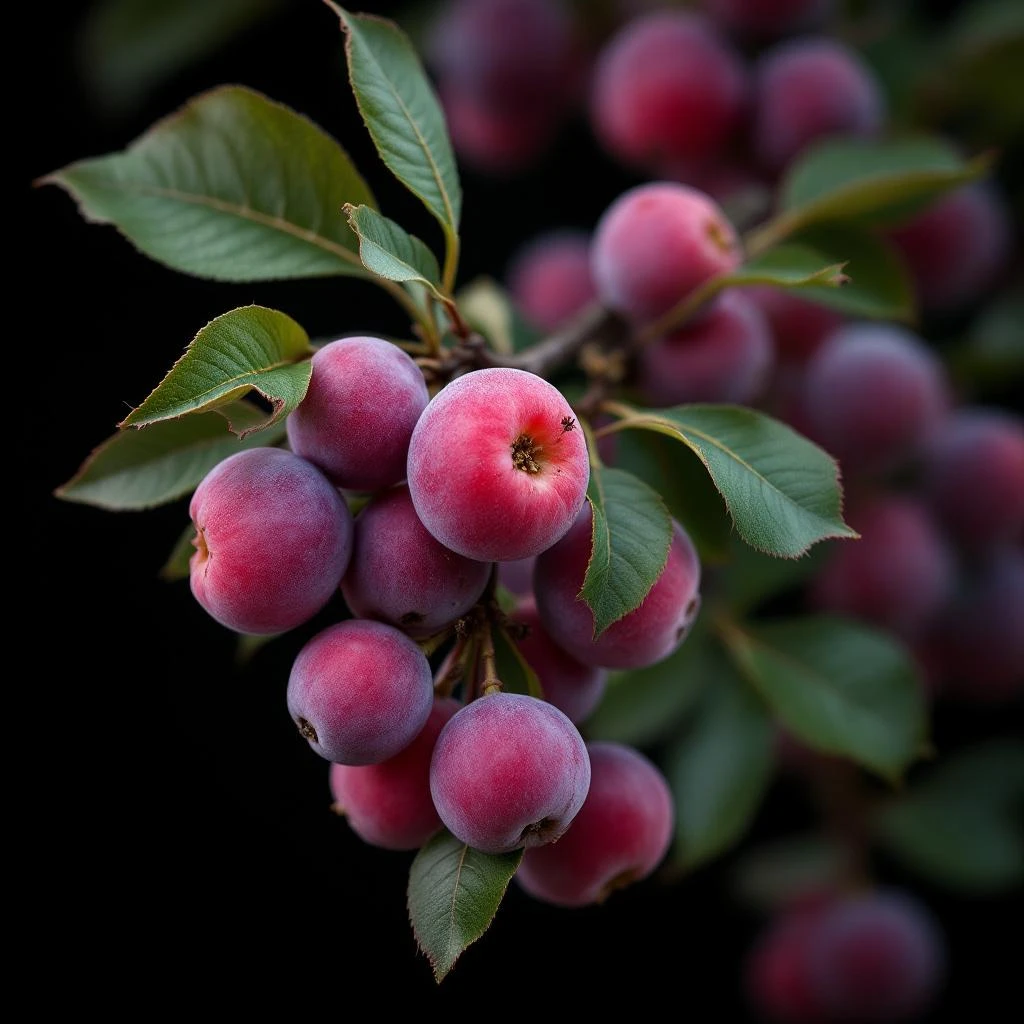
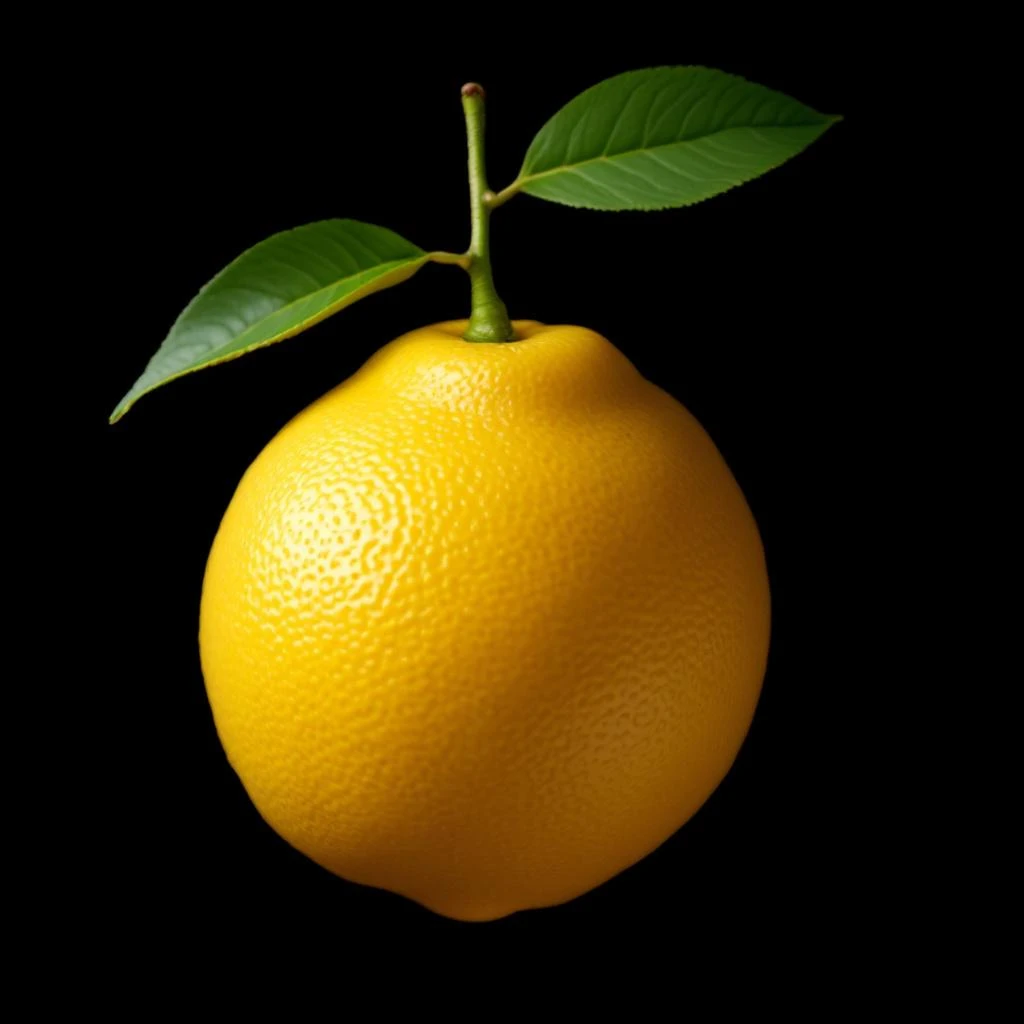
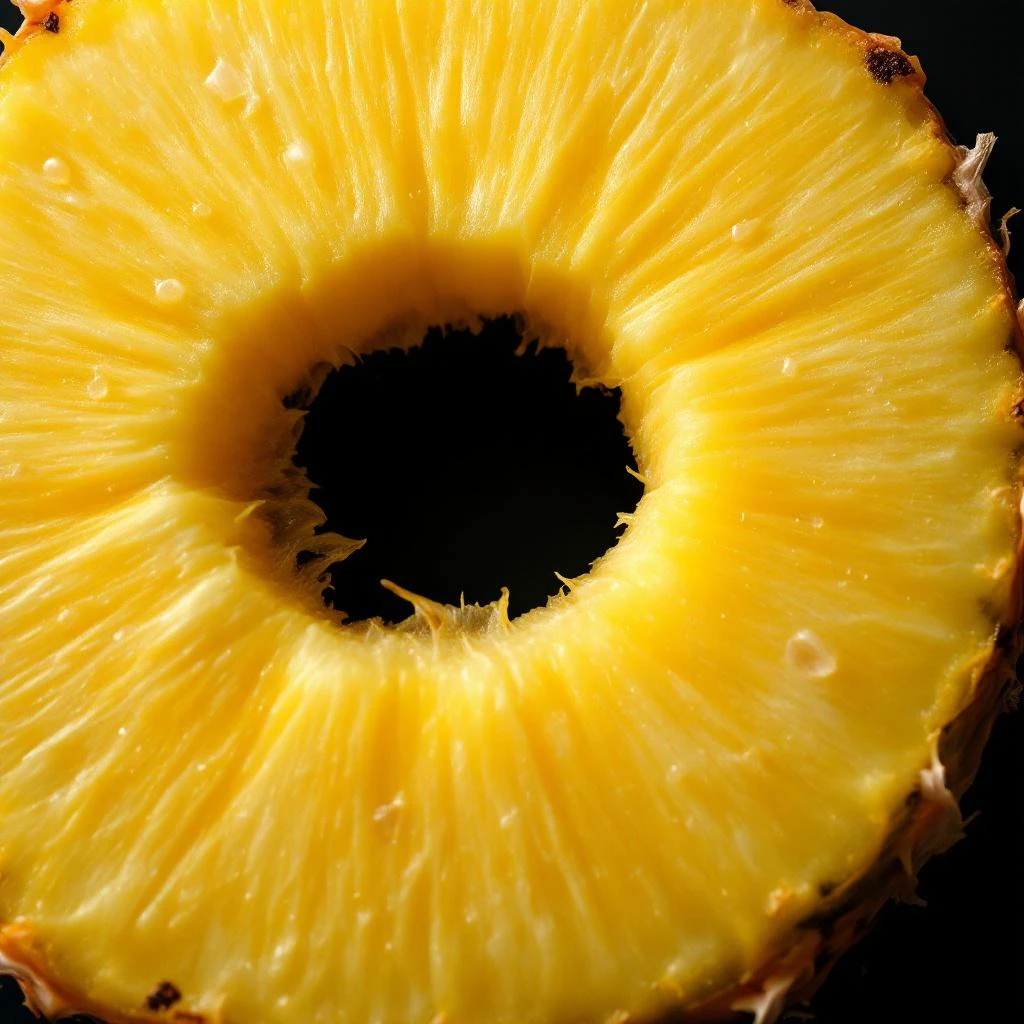
Plum tree blossom delivers a crisp, slightly tart aroma that bridges fresh green foliage with a subtle sweet undertone, offering perfumers a nuanced spring note.
Character
How it smells
Spring’s crisp whisper captured in a blossom.
The Prunus mume tree blooms before its leaves unfurl, allowing harvesters to collect pure petals while the tree remains bare, a practice that dates back to the Tang dynasty.







Origin
China
Ancient Chinese texts record the use of plum blossom in court ceremonies as early as the 8th century CE. Monks blended the petals with sandalwood to create incense for meditation. By the late 1800s, French perfumers imported plum blossom absolute from Japan, where the tree is called ume, and incorporated it into early modern fragrances.
The scent symbolized renewal and was prized in Meiji‑era perfume houses. Throughout the 20th century, plum blossom appeared in niche blends that celebrated East Asian spring, cementing its role as a bridge between traditional aromatics and contemporary perfumery.
Wears it best
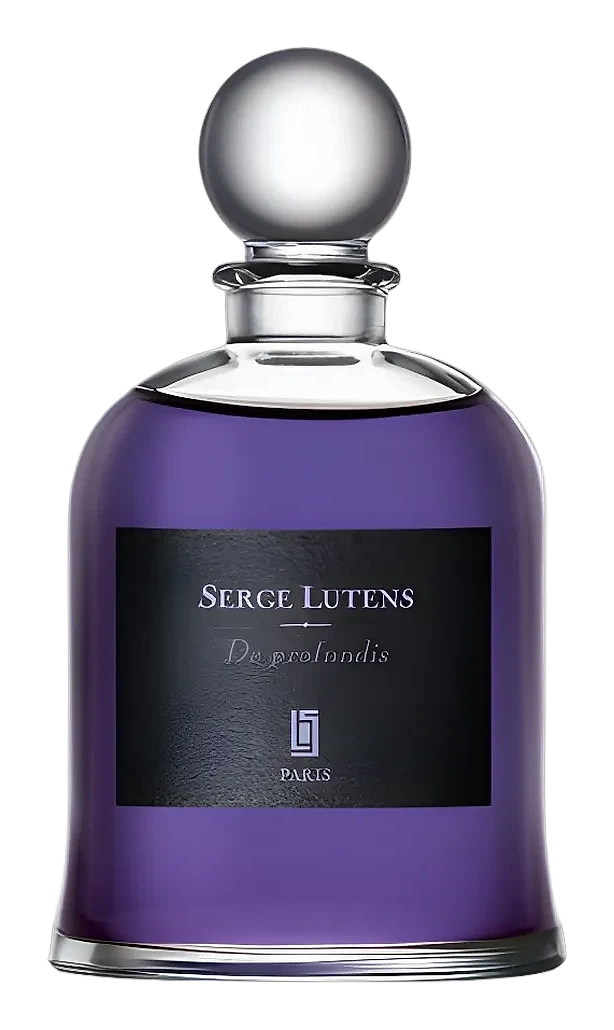
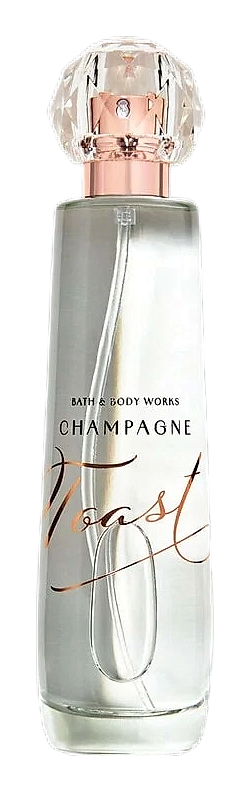
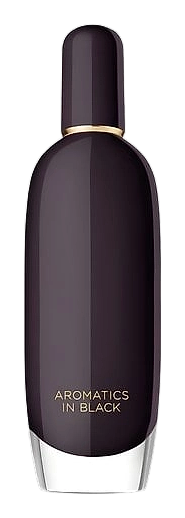
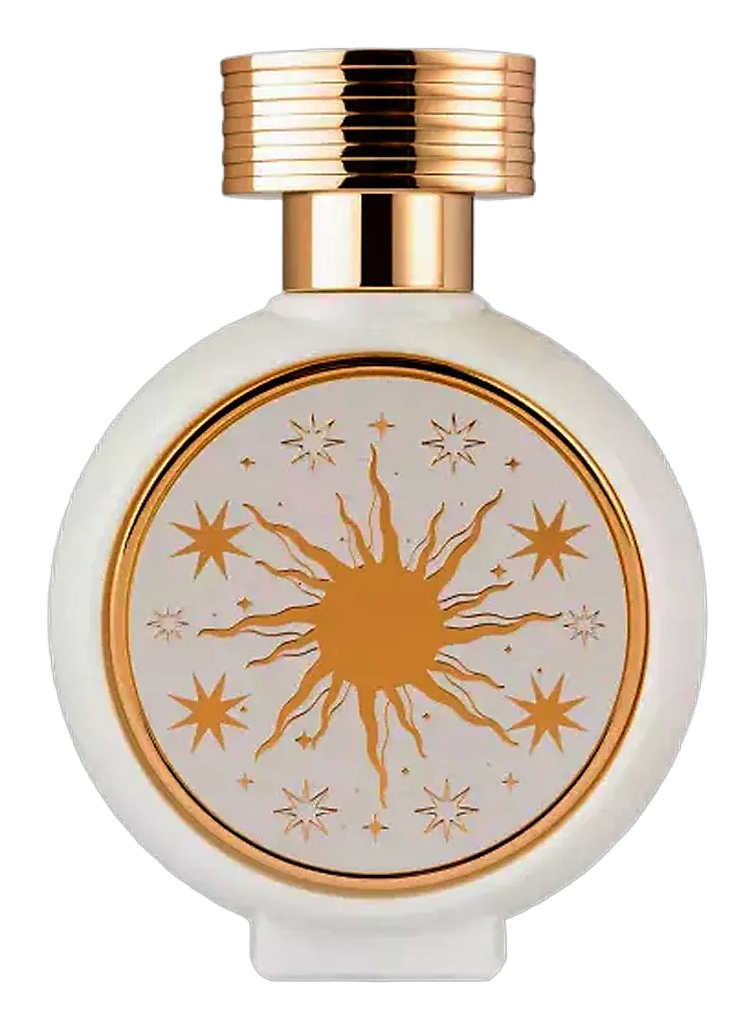
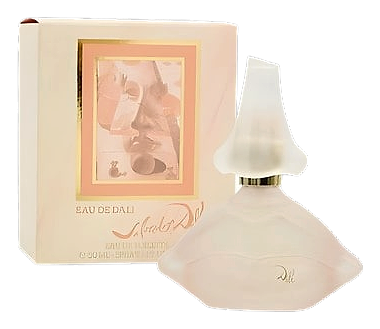
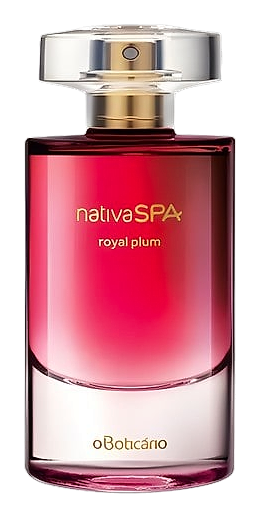
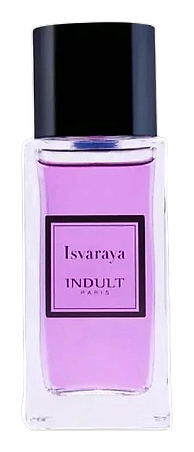
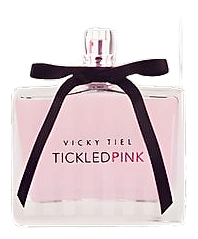
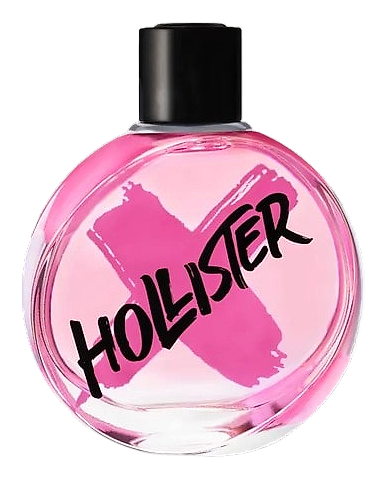
Fragrances featuring Plum Tree
Brands
Brands known for Plum Tree
Good to know
Questions, answered
The essentials on Plum Tree in perfumery: how it smells, where it comes from, and how it behaves on skin.
What primary scent does plum blossom impart?
Plum blossom adds a crisp, lightly tart aroma with a faint honeyed edge. A 2021 sensory analysis recorded its top note as a bright green‑fruit accord.
Is plum blossom safe for skin contact?
Plum blossom absolute passes standard dermatological tests for topical use. In 2019, a European patch‑test study reported a 0.2% irritation rate among 500 participants.
How long does plum blossom absolute last in a perfume?
Plum blossom absolute provides a moderate‑lasting top note that fades within 2‑3 hours. Laboratory aging data from 2020 shows its volatility drops by 70% after 180 minutes.
Can plum blossom be used in natural cosmetics?
Yes, plum blossom absolute appears in natural lotions and serums for its fresh scent. The Cosmetic Ingredient Review listed it as GRAS in 2018.
What climate does the plum tree need to produce quality blossoms?
Plum trees thrive in temperate zones with cool springs and well‑drained soil. A 2017 agronomy report noted optimal bloom quality at night temperatures between 5 °C and 10 °C.
Does plum blossom blend well with citrus notes?
Plum blossom enhances citrus by adding a subtle fruit depth. A 2022 formulation trial showed a 15% increase in perceived freshness when paired with bergamot.
Where can I source sustainable plum blossom absolute?
Certified organic farms in the Shaanxi province supply traceable plum blossom absolute. The 2021 Fair Trade audit confirmed 85% of their harvest meets sustainability criteria.
How does plum blossom differ from plum fruit aroma?
Plum blossom offers a green, airy scent, while plum fruit provides a deep, sweet, and slightly fermented note. A comparative GC‑MS study in 2019 highlighted distinct ester profiles for each material.