
The Story
Why it exists.
The beginning
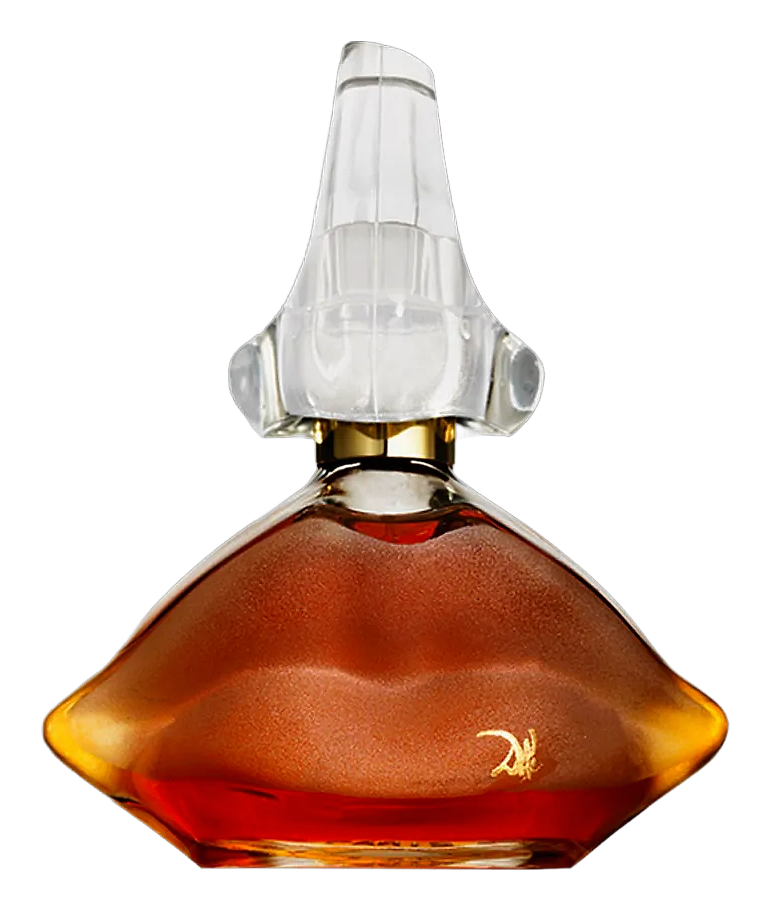
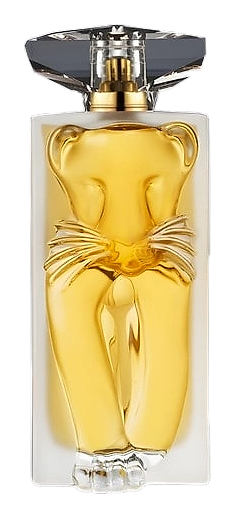
Henri Bergia created La Belle et l'Ocelot for the house of Salvador Dalí in 2014, translating the surrealist's love of paradox into scent: the beautiful and the feral, silk and teeth. The name references the ocelot, a wild cat dressed in perfect spots, a predator that moves like it owns the room it's about to enter. The fragrance was crafted for women whose presence shifts the air around them, who don't announce themselves but arrive anyway.
What makes this composition unusual is its structure: the bitter herbal opening (Artemisia) isn't trying to be friendly. It demands attention before the mandarin brightens the picture. Then the osmanthus, a material that smells like apricot flesh, not blossom, takes over the heart. Most fragrances use osmanthus as an accent; here it's the centerpiece, surrounded by rose and night-blooming jasmine. The tonka bean doesn't just add sweetness, it adds texture, a soft suede quality that makes the whole heart feel tactile.
The evolution
The first thirty minutes belong to the herbs. Artemisia's green bitterness cuts through the mandarin's sweetness like a blade through silk, it's sharp, almost medicinal, the kind of opening that either grabs you or makes you wait. The mandarin keeps it from becoming too austere, a flash of citrus brightness that prevents the whole thing from going dark too fast. Then the florals arrive: osmanthus first, bringing its apricot-peach character, followed by rose and jasmine in a softer formation. The tonka bean begins to emerge around the ninety-minute mark, adding a warm suede quality that pulls everything together. By hour three, the incense and benzoin have taken over, and the patchouli adds a dark earthiness that lingers for hours. On fabric, this fragrance doesn't just last, it transforms. What started as bitter herbs becomes, by the end of the day, a warm amber cloud that smells like someone who was there and meant it.
Cultural impact
La Belle et l'Ocelot arrived in 2014 as a counter-statement, when the market was moving toward light, sheer florals, this was a chypre with weight and intention. The name references the ocelot, a wild cat whose beauty is inseparable from its predatory nature. It's worn by people who understand that power and femininity aren't opposites. The fragrance has developed a following among those who remember the 80s powerhouse era and appreciate that someone still makes something with this much presence.