The Story
Why it exists.
The beginning
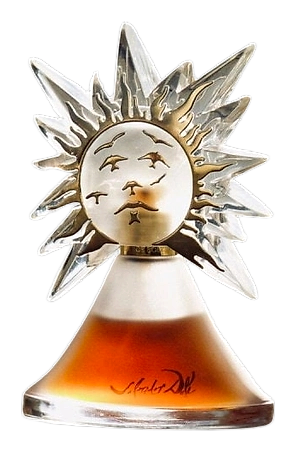
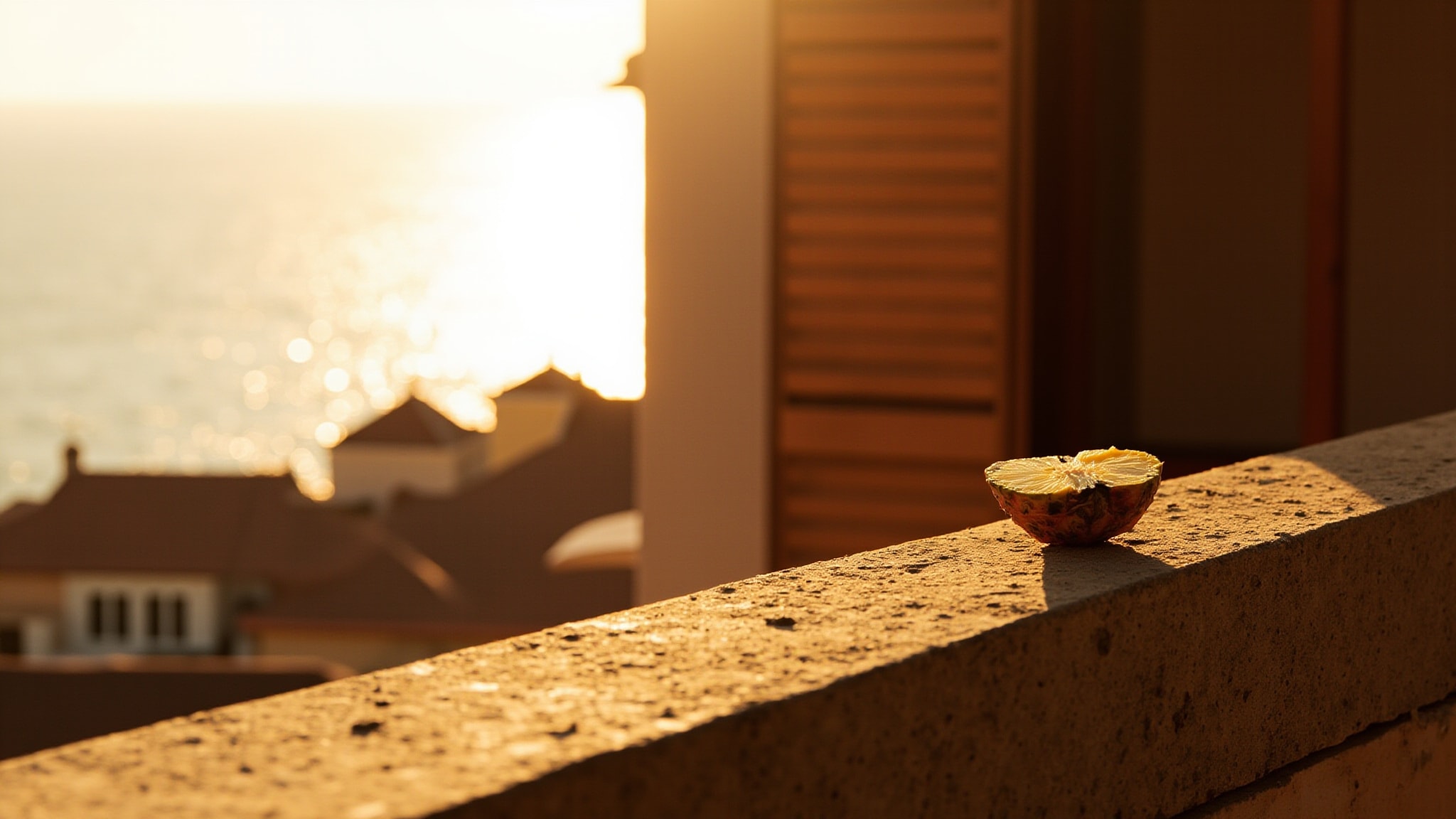
Le Roy Soleil, literally "The Sun King," arrived in 1997 as Philippe Romano's tribute to Dalí's love of radiant paradoxes. The French house, born in 1983 to turn the painter's surreal sketches into scent, asked the nose to capture a sun-drenched tableau: bright tropical fruit colliding with the warm embrace of vanilla and amber. Romano drew from the abundance of Mediterranean summers, translating the golden hour into something wearable.
Romano structured the composition around a progression from bright tropical freshness to warm, enveloping comfort. The pineapple and papaya flower in the opening evoke the ripeness of summer fruit, balanced by tart citrus and woody rosewood. In the heart, apricot and warm spices create an intimate warmth that deepens into the base of vanilla, sandalwood, and amber, a combination that mirrors the lingering warmth of late summer evenings.
The evolution
The opening of Le Roy Soleil captures that first hit of warmth, pineapple and papaya flower bursting forward alongside citrus brightness from mandarin and bergamot. The rhubarb and apple provide unexpected tartness while rosewood adds tropical woodiness. As the heart develops, apricot takes center stage, softened by jasmine and lily of the valley, while cinnamon and carnation introduce spicy warmth. The fragrance eventually settles into a golden hour embrace of vanilla, tonka bean, and amber, grounded by sandalwood, patchouli, and vetiver.
Cultural impact
Since its 1997 debut, Le Roy Soleil has become a staple among fans of bright yet warm florals, praised for its strong sillage and lasting power. Its sunny, slightly spicy profile often appears on wishlists for spring‑summer wardrobes, and it’s frequently cited as a signature scent that captures Dalí’s theatrical flair without overwhelming the wearer.