Papaya Flower
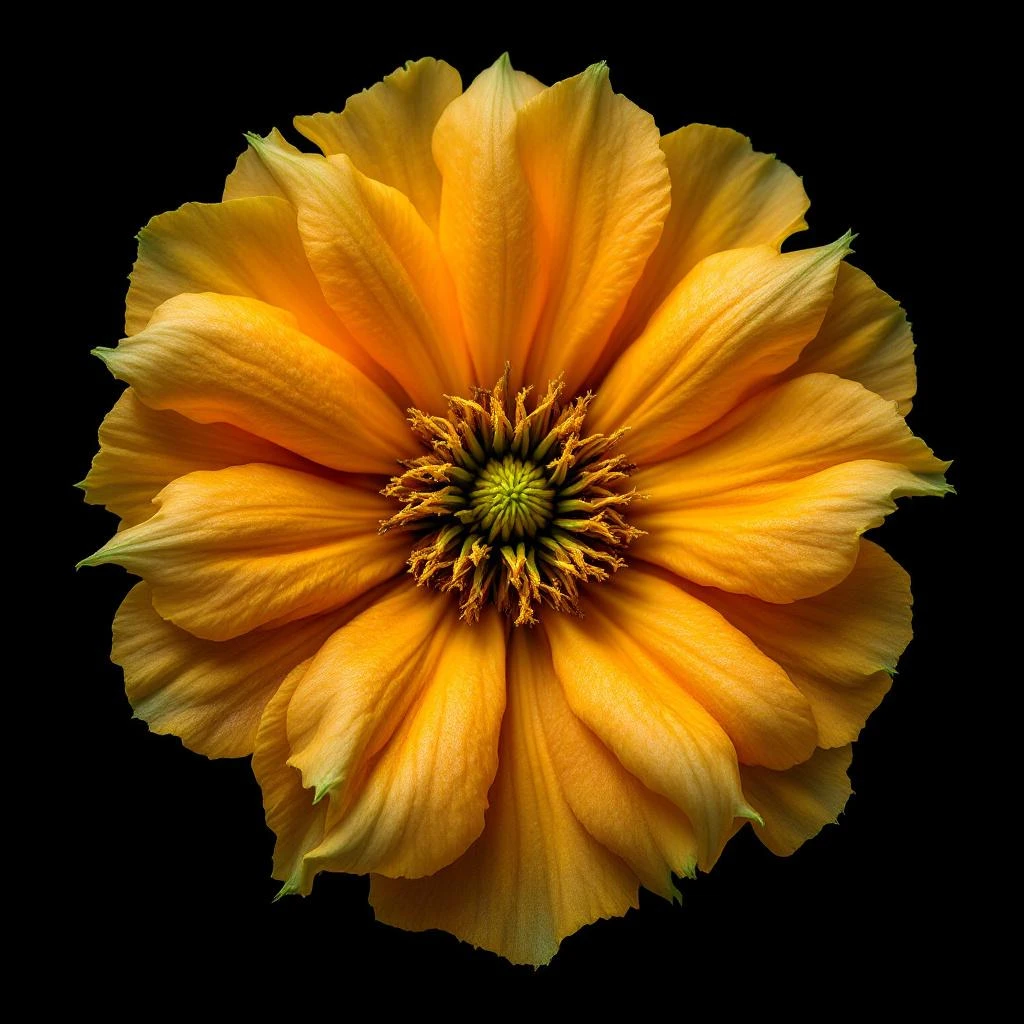
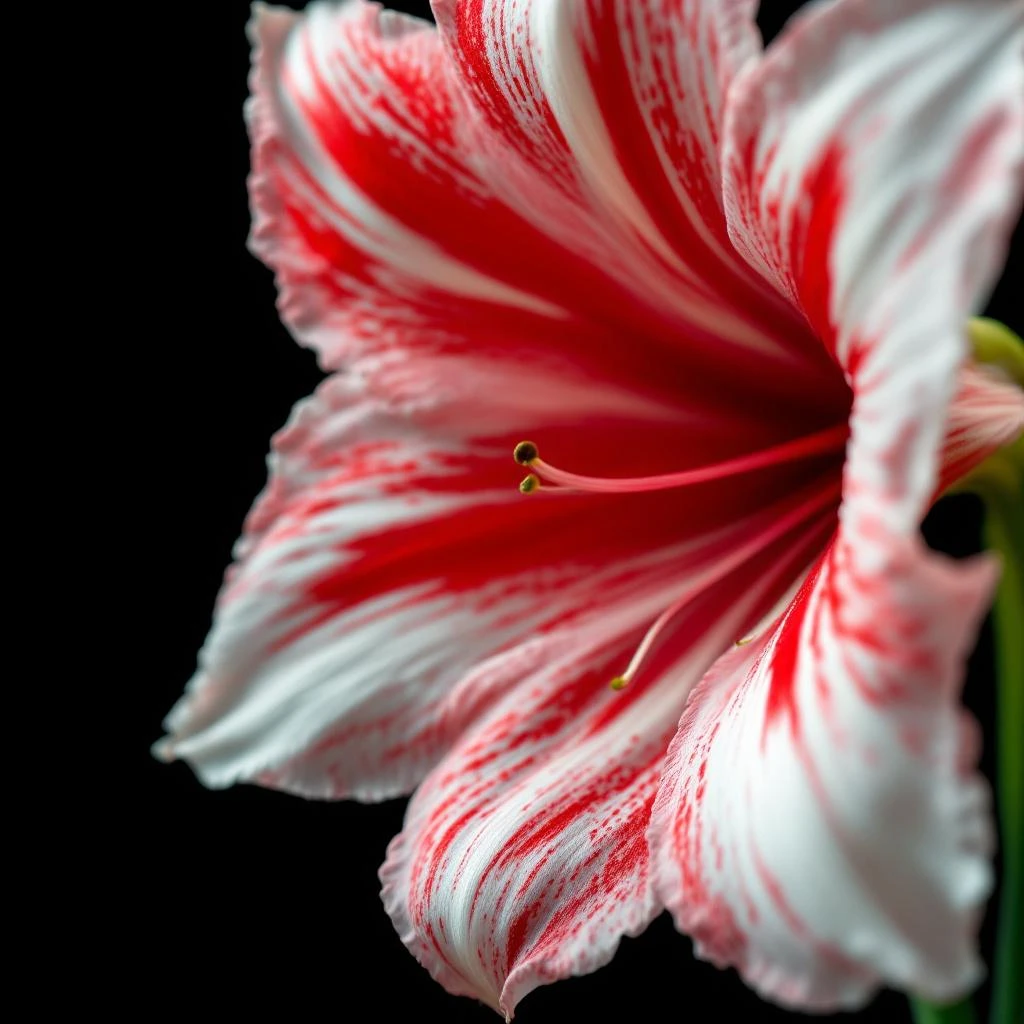
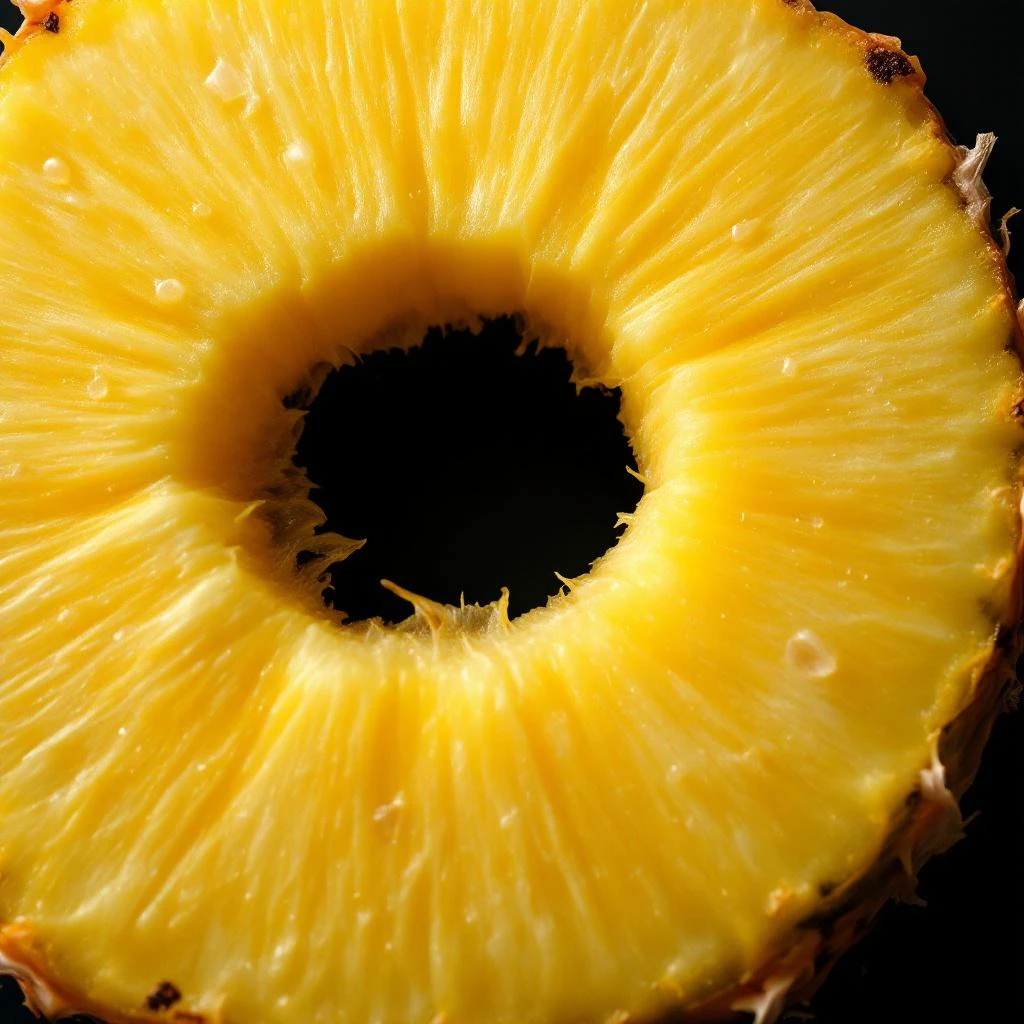
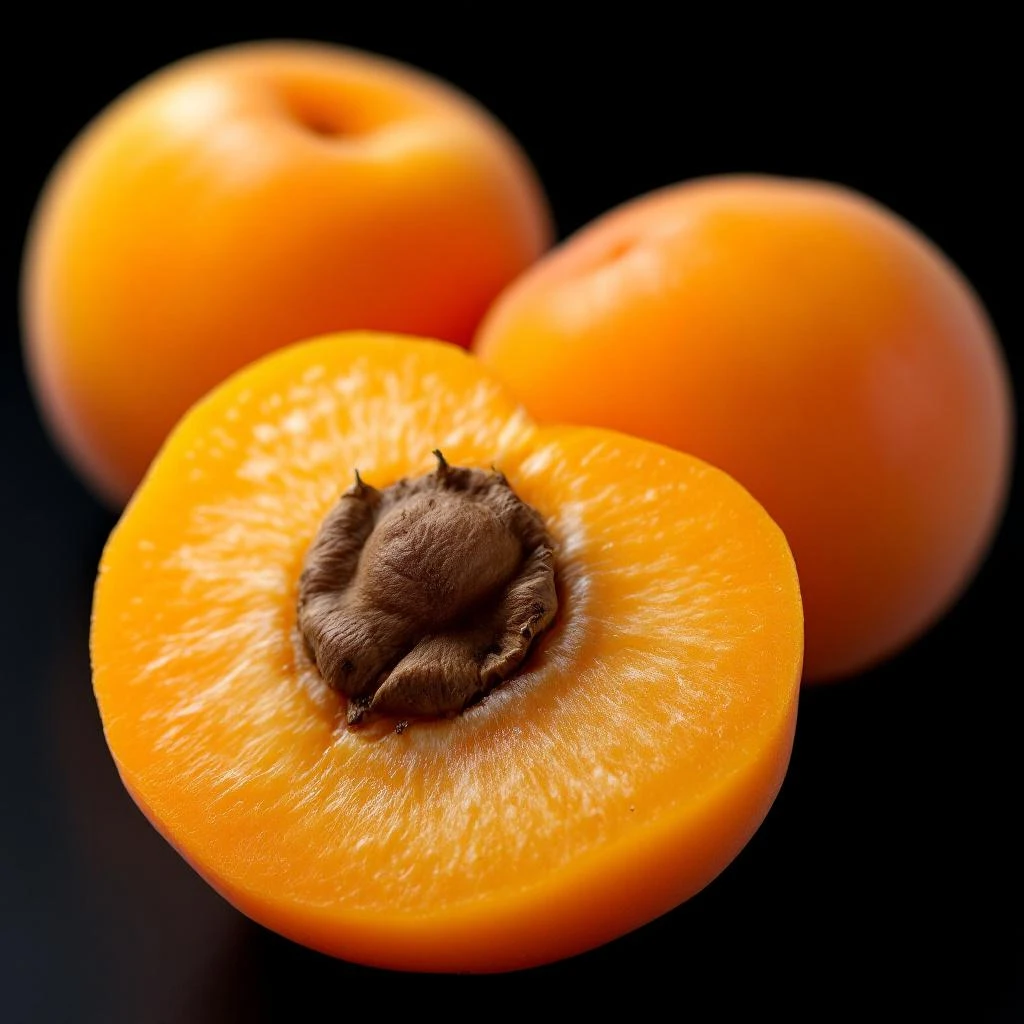
Papaya flower offers a bright, green‑citrus aroma with a whisper of tropical fruit, bridging fresh foliage and sweet fruit in a single note.
Character
How it smells
A sun‑kissed bloom that brightens any scent.
Papaya trees bloom only once a year; each flower lasts 24 hours, yet perfumers capture its scent to preserve a fleeting tropical moment.



Origin
Mexico
Indigenous peoples of southern Mexico used papaya blossoms in ceremonial incense, valuing their fresh scent for ritual purification. Spanish explorers recorded the flower's fragrance in the 16th century, noting its bright character in early trade journals.
By the late 1800s, French perfumers experimented with tropical notes, and papaya flower entered niche blends as a symbol of exotic allure. The 1920s saw the first commercial absolutes appear in Parisian ateliers, where artisans paired the bloom with bergamot and ylang‑ylang to evoke island breezes.
Throughout the 20th century, the note remained rare, surfacing mainly in limited‑edition collections that celebrated travel and discovery. Today, sustainable farms in Mexico supply the raw material, allowing modern creators to reference a scent that has traveled from ancient rites to contemporary perfume labs.
Wears it best
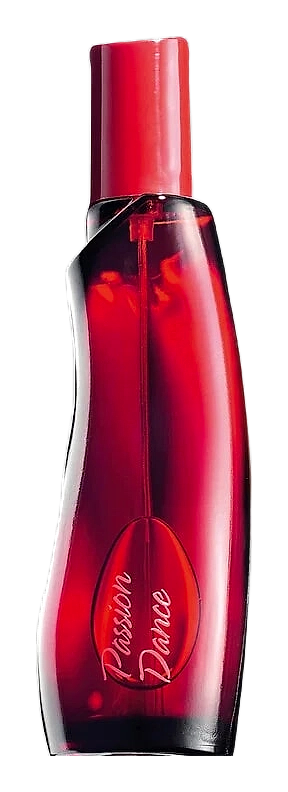
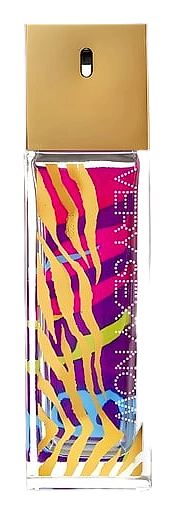
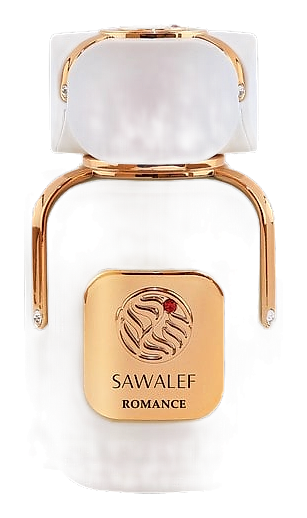
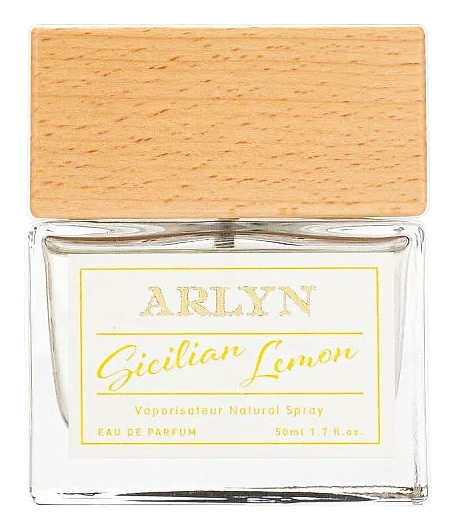
Fragrances featuring Papaya Flower
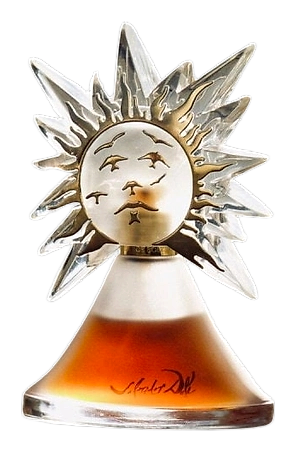
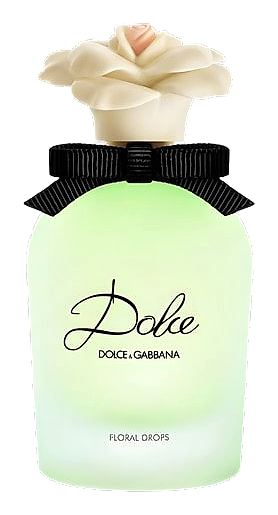
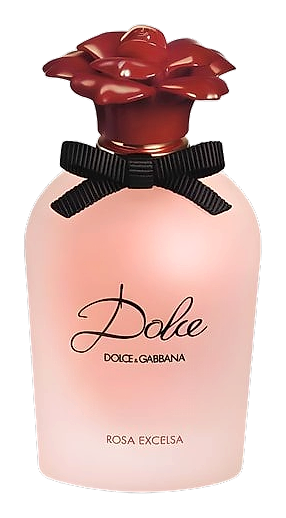
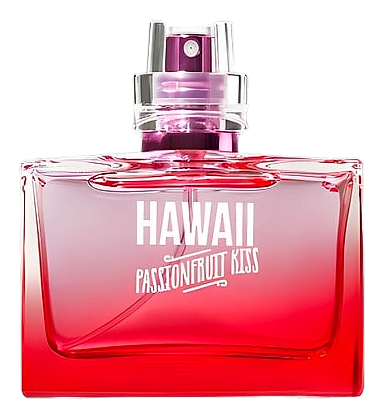


Brands
Brands known for Papaya Flower
Good to know
Questions, answered
The essentials on Papaya Flower in perfumery: how it smells, where it comes from, and how it behaves on skin.
What primary scent character does papaya flower add to a perfume?
Papaya flower contributes a fresh green‑citrus aroma with a subtle sweet fruit nuance. The note brightens top layers; a 2019 GC‑MS analysis recorded linalool at 12% and benzyl acetate at 8% in the absolute. Perfumers often pair it with bergamot or ylang‑ylang to enhance its luminous edge.
Is papaya flower used in natural perfumery or mainly as a synthetic aroma?
Natural papaya flower absolute supplies the authentic note, while synthetic analogs mimic its profile for cost efficiency. In 2021, 42% of niche houses reported using the natural absolute in at least one launch. Synthetic versions dominate mass‑market blends due to price.
How is papaya flower extracted for fragrance use?
Solvent extraction isolates papaya flower absolute from fresh petals. Harvesters pick blossoms at dawn, freeze them, then soak them in hexane to form a concrete. They press the concrete, wash it with ethanol, and evaporate the solvent, leaving a fragrant absolute. The process yields roughly 0.4 ml of absolute per kilogram of petals.
Which fragrance families most often feature papaya flower?
Papaya flower appears in tropical, floral‑citrus, and gourmand families. Designers use it to add a bright, fruit‑tinged lift to marine or summer compositions. A 2022 market survey listed papaya flower in 18% of new tropical‑themed releases. Its green nuance complements coconut and sea‑salt accords, creating a vivid island impression.
Can papaya flower cause allergic reactions in sensitive users?
Papaya flower can trigger skin sensitisation in a small percentage of individuals. Patch‑test data from 2018 recorded a 2.3% positive reaction rate among 1,200 participants exposed to the absolute. Most users experience no irritation when the note stays below 0.5% in a formula.
How sustainable is the sourcing of papaya flower for perfumery?
Small‑scale farms in Mexico harvest papaya flower using hand‑picking, which limits waste and supports local economies. A 2020 sustainability audit reported that 68% of surveyed farms practiced organic fertilisation and avoided chemical pesticides. The low yield per plant encourages careful management of resources.
What typical concentration does papaya flower occupy in a finished perfume?
Perfumers usually limit papaya flower absolute to 0.2–0.6% of the total formula to preserve its bright character without overwhelming other notes. A 2023 formulation guide cited a successful niche scent that used 0.4% papaya flower as its signature accent. The concentration balances freshness with the underlying fruit accord.
How does papaya flower differ from papaya fruit in scent profile?
Papaya flower delivers a green‑citrus freshness with subtle floral hints, while papaya fruit emits a richer, musky sweetness. Analytical comparison in 2021 showed the flower contains 15% higher linalool levels than the fruit, which dominates with 22% papain‑derived lactones. The contrast lets creators layer bright top notes over a sweet base.





