The Story
Why it exists.
The beginning
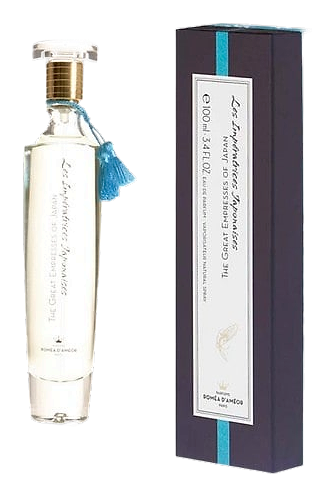
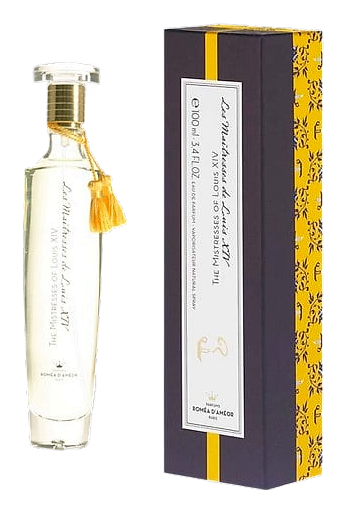
Pierre Bourdon created The Mistresses of Louis XIV as part of Roméa d'Améor's debut collection, seven perfumes, seven remarkable women from history. The Sun King's court was a stage where women wielded power through wit, beauty, and influence when direct authority was forbidden to them. Bourdon translated that duality into scent: the formal opening (galbanum's sharp greenery, blackcurrant's tart bite) giving way to something unexpectedly tender. It's not a love letter to Versailles. It's a portrait of the women who made it legend.
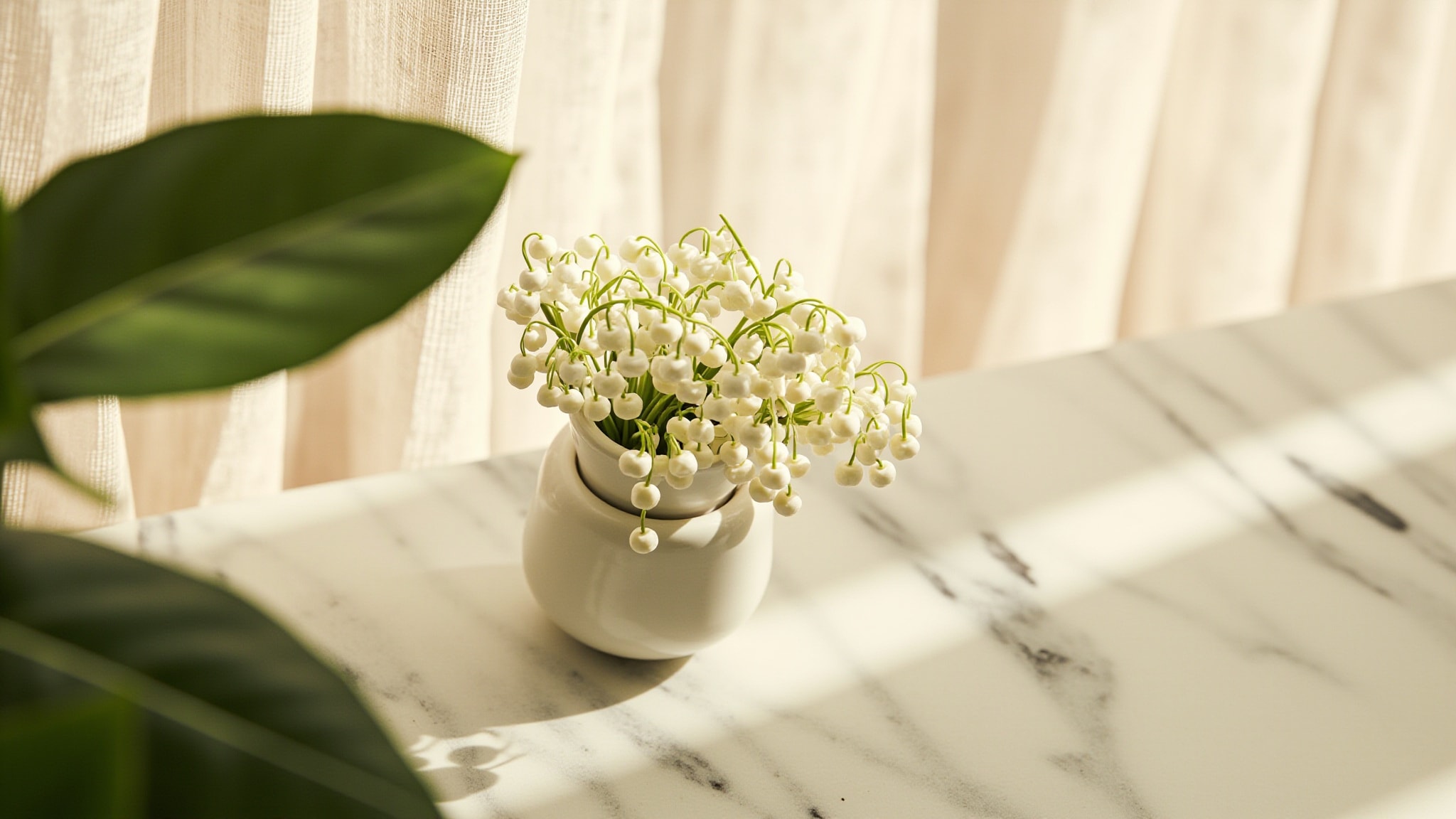
What makes this composition work is the tension between cool and warm. Galbanum is green in a way that feels clipped and formal, almost severe in its precision. But the melon and blackcurrant underneath soften it, adding fruit without sweetness. Then the heart, lily of the valley is one of Bourdon's signatures, and he uses it here the way a director uses a close-up: intimate, revealing. The iris in the base does something interesting too: it's powdery, but not the baby-powder cliché. More like the dust on an antique letter.
The evolution
The opening hits fast, galbanum's green sharpness arrives within seconds, followed immediately by blackcurrant's tart berry quality. Melon sits underneath, adding body without sweetness. The cloves appear early too, a warm spiced counter to the green. The florals begin their takeover as the top notes settle, with lily of the valley leading, cool and slightly soapy, and jasmine entering from the side. The rose is subtle here, more atmosphere than statement. As the composition develops, the green fades and is replaced by iris and musk settling close to the skin. The drydown holds for hours: woody warmth, peach skin, a whisper of amber that never fully announces itself. On clothes, it lingers into the next day, that dusty, slightly sweet aftermath of a room that held someone interesting.
Cultural impact
The Roméa d'Améor collection presents audacious feminine legacies, and this particular fragrance embodies that spirit through its layered complexity. It appeals to those drawn to court history and the women who shaped it, balancing green freshness, floral elegance, and lasting warmth that reveals itself progressively throughout wear.