
The Story
Why it exists.
The beginning
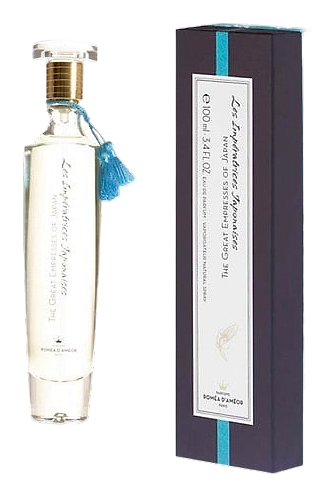
The Great Empresses of Japan draws from the lineage of powerful female rulers in Japanese imperial history, figures who shaped the nation's cultural and political landscape. Pierre Bourdon built this fragrance around that legacy. The opening offers fresh melon and luminous florals that shimmer against the skin, creating an immediate sense of lightness. The heart centers a powdery iris that feels both soft and commanding, its violet-powder texture wrapping the wearer in quiet sophistication. The base grounds everything in warm teakwood and sandalwood, their creamy woody depths providing lasting presence. It's not a literal portrait, more a translation of historical inspiration into something you can actually wear.
The iris is the real test of any perfumer's skill. Demanding to work with, transformative when it lands. Here it becomes the emotional center, the powdery softness that makes the heart feel like something worth lingering in. Heliotrope brings an almost-almond softness, violet adds delicate petals, and the peony keeps it from becoming too heavy. What makes this composition work is the way heliotrope and violet layer beneath the iris, adding dimension to its natural powdery character, while the teakwood, sandalwood, and vetiver base anchors the lightness with warmth.
The evolution
The drydown is where this fragrance earns its keep. The powder softens into something quieter, the sandalwood and vanilla wrapping close to the skin. There's an unexpected earthiness from vetiver that arrives near the end, subtle but present enough to add complexity. The iris continues to whisper beneath the woody foundation, its powdery character slowly gentling as the hours pass. The teakwood anchors everything with warmth, and the vetiver provides just enough texture to keep the finish from feeling predictable. A composition that reveals new facets as it settles.
Cultural impact
The powdery-floral genre receives careful attention here. The house's approach, grounding each fragrance in a named historical figure, offers collectors something beyond the ordinary bottle. While specific reception data isn't available, the composition itself demonstrates skilled handling of a classic genre, with an iris-peony heart that feels both refined and accessible.
The House
Romea D'AmeorRoméa d'Améor is a Parisian niche fragrance house that arrived on the scene in 2008 with a debut collection of seven perfumes, each conceived as an homage to remarkable women from history. The house draws its creative direction from figures who shaped civilizations across Egypt, Russia, Japan, Peru, France, India, and the Italian Renaissance. Rather than approaching perfumery through abstract accord-building, the brand structures its creations around narrative subjects, placing real historical women at the center of each olfactory portrait. The house operates within France's independent perfume tradition, positioning itself apart from larger commercial fragrance houses through its thematic specificity and its commitment to telling stories that mainstream perfumery has largely overlooked.
The Creator
Pierre BourdonBourdon's signature lies in clarity and restraint. He favors transparency in composition, building fragrances that breathe rather than overwhelm.