The Story
Why it exists.
The beginning
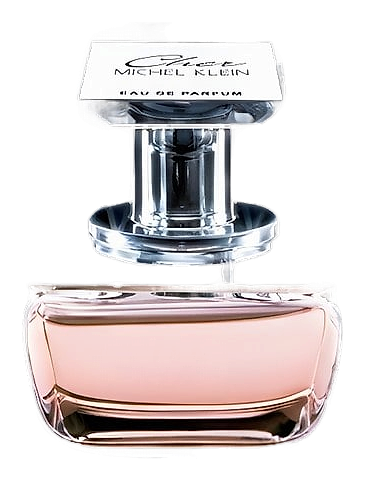
Cher arrived in 2005 from French fashion house Michel Klein, designed by perfumer Olivia Giacobetti. The name itself is a play, not just the icon, but the French word for 'dear', positioning the fragrance as something personal, even tender. Giacobetti, known for her work on L'Artisan Parfumeur's Philosykos and Iunx, brought her signature touch of soft naturalism to a house already steeped in theatrical wit. This wasn't a fragrance for grand entrances. It was for the moments in between.
The note structure is unusually restrained for an iris fragrance. Where many compositions use iris as a supporting player, a powdery bridge between brighter opens and deeper bases, Cher makes it the entire conversation. Sandalwood softens the orris root's natural earthiness, while a whisper of rose adds just enough floral warmth to keep it from reading clinical. The result is a fragrance that smells like the inside of a velvet box: precious, protected, meant to be discovered rather than displayed.
The evolution
It opens cool and slightly metallic, the iris rhizome's natural mineral edge, here tempered by sandalwood's creaminess. Within minutes, the rose emerges, not as a statement but as atmosphere. The powdery quality builds slowly, the way a room fills with afternoon light through curtains rather than a switch being flipped. By the second hour, the fragrance has settled into skin-close warmth, a quiet whisper of wood and powder that rewards proximity. Four to six hours in, on the right skin, there's a faint warmth left, the ghost of sandalwood, the memory of something beautiful that didn't need to try very hard.
Cultural impact
Released in 2005 by fashion designer Michel Klein, Cher arrived during a period when the house was establishing its fragrance identity with theatrical naming conventions and a focus on wit over weight. The launch coincided with a broader trend in fashion perfumery where established houses were creating intimate, close-wear compositions as alternatives to the bold statement fragrances of the 1990s. Cher found a loyal following among enthusiasts who appreciated its restrained approach to powdery florals, standing apart from the sweeter, fruitier releases of its era. The composition has been respected by fragrance historians as an example of how fashion-house perfumery can prioritize elegance and discretion over commercial loudness.