




Heritage
A house, in its own words
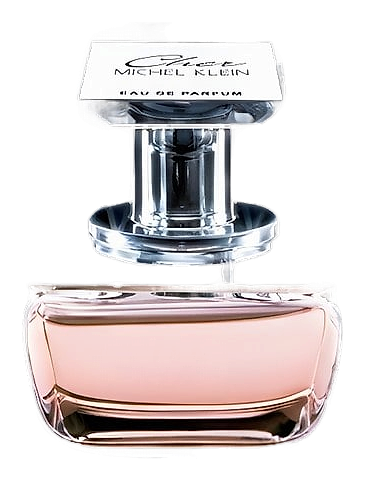
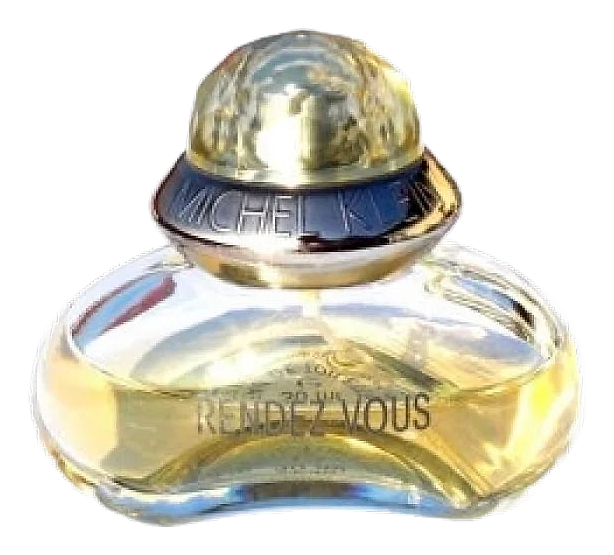
The story of Michel Klein begins with the designer's decision to establish his own fashion house in Paris in 1981. This move marked the transition of a young designer into the ranks of independent French fashion creators, following a path common among Paris-based designers who built their names through ready-to-wear collections before expanding into lifestyle products including fragrances. The house initially focused on fashion, establishing Michel Klein as a recognized name in French clothing design before extending into the fragrance industry. In 1987, the brand made its entry into perfumery with the launch of Voyou, marking the beginning of a fragrance collection that would span nearly two decades. The 1990s brought significant activity, with Rendez-Vous (1989) and Premier Rendez-Vous (1997) establishing the house's approach to romantic and intimate fragrance themes. The year 2000 marked a particularly active period with the launch of both Illusion and Insomny, demonstrating the house's expanding creative ambitions. The early 2000s saw the brand embrace theatrical branding more explicitly, with fragrances like Un Air de Comedie (2001) and Comedie Michel Klein (2001) showcasing a playful approach to naming and positioning. The Fragrance Foundation recognized Comedie with its 2002 Packaging of the Year award in the Women's category, providing independent validation of the brand's design sensibilities. By 2005, the house released Cher, continuing its tradition of emotionally resonant fragrance titles. The philosophy of Michel Klein appears rooted in theatrical expression and the celebration of performance. The fragrance collection reveals a consistent attraction to names and concepts drawn from the world of entertainment and human connection. Rendez-Vous, meaning appointment or meeting, speaks to the significance of planned encounters, while Premier Rendez-Vous extends this theme to first meetings and new relationships. The Comedie series demonstrates a self-aware approach, using the French word for comedy to position certain fragrances as playful rather than solemnly aspirational. This theatrical sensibility suggests a designer who views fragrance not merely as a scent but as a performance, an accessory to personal expression that carries narrative weight. The house seems to approach fragrance creation as an extension of fashion's role in self-presentation, where a perfume functions like an outfit in its ability to project personality and set a mood. The naming conventions across the collection reveal a preference for direct emotional language, avoiding abstract fragrance terminology in favor of titles that evoke specific human experiences and emotions.