


Heritage
A house, in its own words
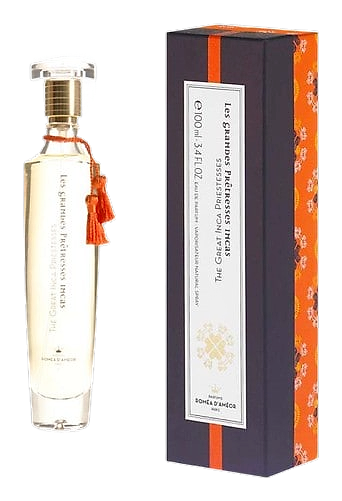
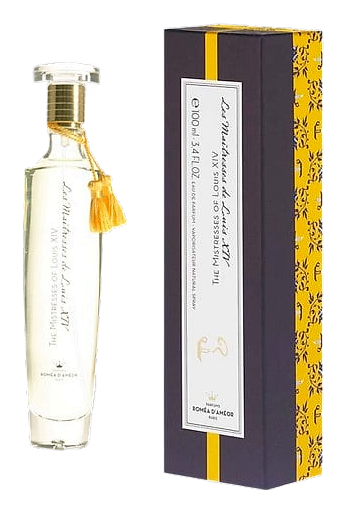
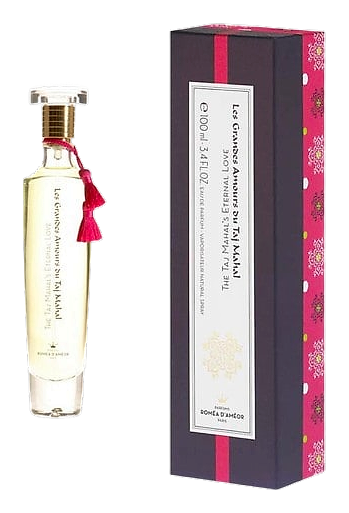
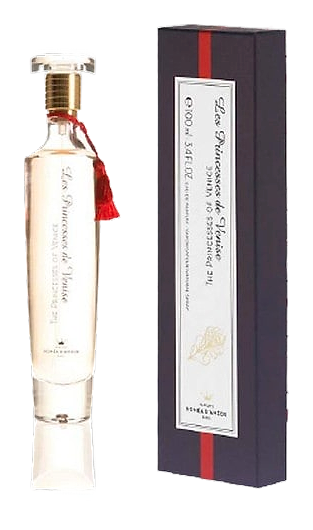
The house emerged in 2008, a period when the niche fragrance market was gaining considerable momentum in Europe, particularly in France where independent perfumers found growing audiences among collectors seeking alternatives to mainstream luxury lines. Roméa d'Améor's founding represented a specific cultural moment when perfumers began treating fragrance as a medium for historical storytelling rather than purely as an aesthetic product. The choice to structure an entire debut collection around historical female figures reflected broader conversations about whose stories get told and celebrated. Each fragrance in the initial offering carries a title that immediately signals its narrative anchor: The Sovereigns of Egypt, The Secret Heroines of the Tsar, The Great Empresses of Japan, The Great Inca Priestesses, The Mistresses of Louis XIV, The Taj Mahal's Eternal Love, and The Princess of Venice. This approach distinguished the house from contemporaries who favored abstract or poetic fragrance titles. The house has maintained its focus on historical women as muses across its subsequent releases, building a catalog that spans multiple civilizations and time periods. The philosophical core of Roméa d'Améor rests on the belief that fragrance can serve as a vehicle for recovering and celebrating historical narratives, particularly those centered on women whose contributions have been insufficiently recognized. Each perfume functions as an interpretive portrait, translating the character, era, and cultural context of its subject into olfactory language. The house operates from the premise that real women from history, rather than mythological figures or fictional characters, offer richer source material for meaningful artistic interpretation. This grounding in historical specificity rather than fantasy distinguishes the brand's creative methodology. The perfumes aim to evoke not merely pleasant associations but the complexity of individual lives and the civilizations they shaped. The thematic range spanning ancient Egypt, imperial Russia, Edo-period Japan, pre-Columbian Peru, Baroque France, Mughal India, and Renaissance Venice demonstrates an ambition to traverse cultural boundaries while maintaining a consistent focus on feminine influence across different societies.