The Story
Why it exists.
The beginning
In 2000, perfumer Philippe Romano set out to translate the ritual of tea into something you could wear. Not the idea of tea, the actual experience of it: the first steam, the bitter brightness, the warmth that lingers after the cup is empty. Romano worked with Roger & Gallet's heritage and asked a different question: what if the freshness never left? What if the tea held everything together? The result was Thé Vert, a perfume that treats green tea not as an accent but as architecture.
The choice to build around green tea is architecturally unusual. Tea notes in perfumery tend to appear briefly, a whisper in the heart, gone before you notice. Thé Vert makes tea structural: it opens with citrus but the tea is already there, cutting through the brightness. It stays through the heart, anchoring the florals. It persists into the base, warmed by cedar and guaiac wood. This isn't a tea-scented fragrance. It's a fragrance built like tea, structured around bitterness, clarity, and the kind of warmth that doesn't announce itself.
The evolution
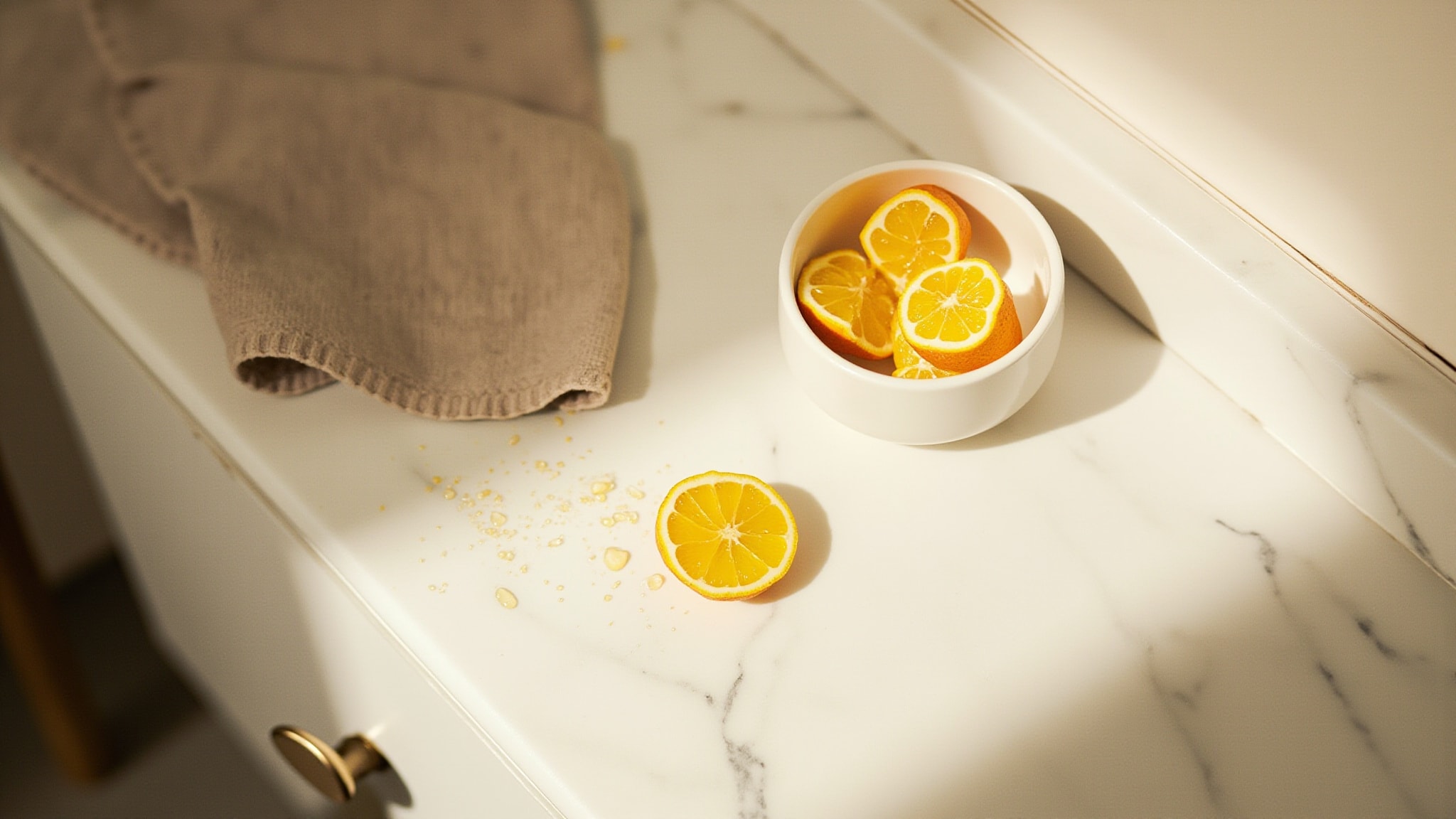
The opening arrives fast: yuzu, grapefruit, mandarin orange, a rush of citrus that doesn't build so much as explode. Within minutes, green tea cuts through, cool and present beneath the surface. The florals, freesia, jasmine, lily of the valley, appear but stay shy, offering a breath rather than a statement. Cyclamen adds a watery quality that keeps the whole heart cool. By the drydown, the citrus is gone but the tea remains, now warmed by cedar and guaiac wood. These woods are refined, not smoky. The tea hangs on, making it a constant presence throughout the wear. The woods linger as well, providing a clean finish that extends the experience.
Cultural impact
Thé Vert occupies a particular corner of the fragrance world: the green tea scent that offers freshness without drama. It's not a statement fragrance, it doesn't challenge or confront. Instead, it offers something harder to find: a scent that feels effortless. The fragrance invites those who appreciate subtlety, who value composure over showmanship. It rewards continued wear, becoming familiar rather than demanding constant attention.