
The Story
Why it exists.
The beginning
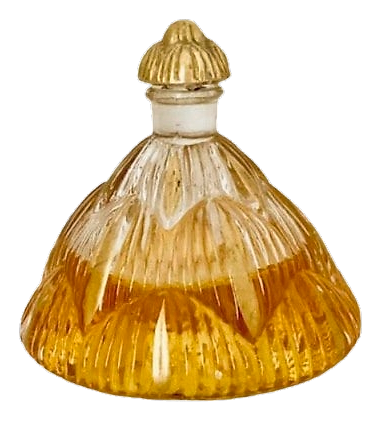
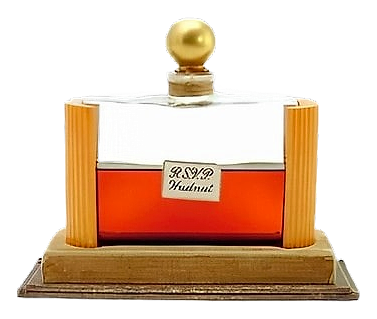
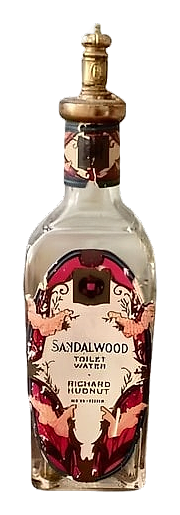
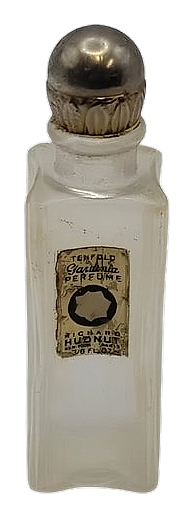
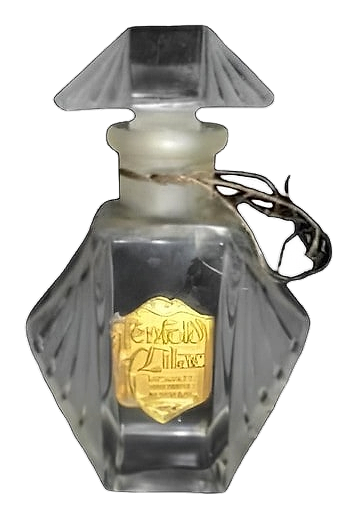
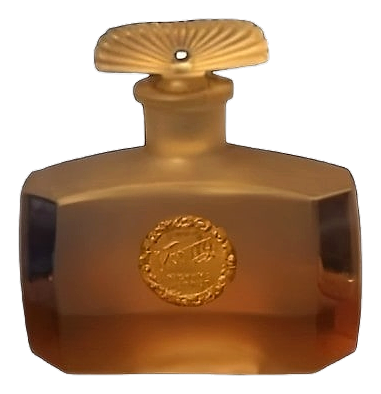
Gondola arrived in 1925 from Richard Hudnut. No named perfumer is recorded, leaving the fragrance's first chapter centered less on an attributed maker than on the house that released it. Its identity is preserved through a concise history that begins with its introduction and invites closer attention to the period, the presentation, and the fragrance itself. Without a documented note trail or fuller account of its original launch, the safest account is deliberately restrained: Gondola belongs to the documented record of Richard Hudnut's 1925 releases, while its olfactory character remains open for individual discovery.
The surviving record for Gondola is concise rather than expansive. It identifies the fragrance with Richard Hudnut and places its introduction in 1925, but it does not supply a detailed note breakdown, a named perfumer, or a complete account of the launch presentation. That makes the name, date, and house attribution the clearest points of orientation. They offer a starting point for examining Gondola as a historical release without assigning it an unsupported scent profile or a broader cultural message that the available material does not establish.
The evolution
Gondola's development cannot be described reliably from the available record because it provides no documented opening, note progression, drydown, or longevity. There is no sourced basis for describing a bright first impression, a floral center, a warm base, or the behavior of the fragrance over several hours. Any account of how it changes on skin would therefore extend beyond the verified history. What can be said with confidence is limited but meaningful: Gondola was introduced in 1925 by Richard Hudnut, its maker is not named in the available material, and its place in fragrance history rests on that documented association rather than on an unsupported reconstruction of its scent.
Cultural impact
Gondola's cultural impact is difficult to establish from the surviving material. The documented date of 1925 and its association with Richard Hudnut place it within a specific period of fragrance history, but they do not by themselves demonstrate its audience, retail distribution, imagery, marketing language, reception, or relationship to wider ideas of femininity and glamour. Its significance is best treated as an open point of study, with the fragrance's documented identity offering a firm basis for further exploration without assigning it an unsupported place in the culture of its time.