
The Story
Why it exists.
The beginning
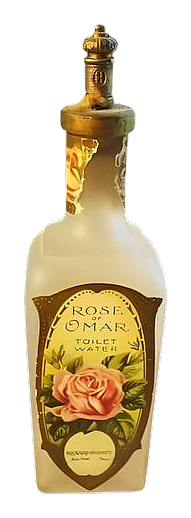
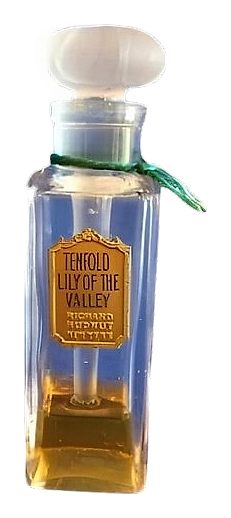
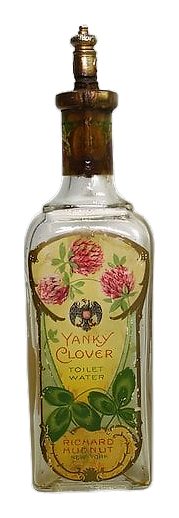
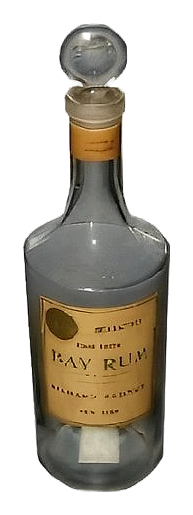
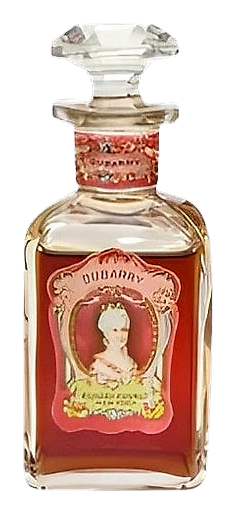
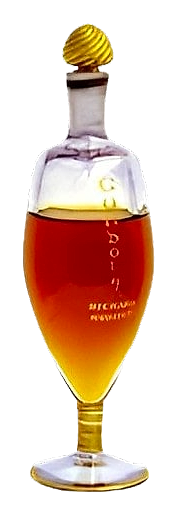
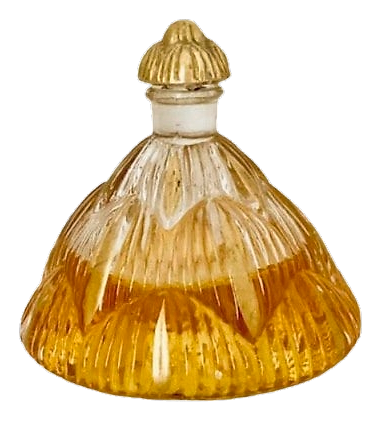
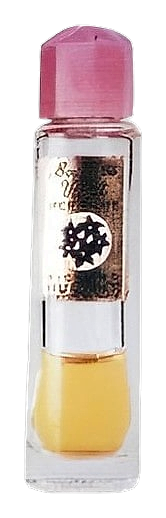
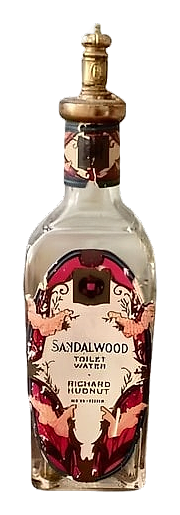
Sandalwood arrived in 1910 from Richard Hudnut, a United States perfume house founded in 1880. Its inspiration is direct rather than decorative: the name points to the material at its center. With sandalwood established as the sole documented note and a woody accord defining its character, the composition places its confidence in restraint. No bouquet needs to compete. The result belongs to the early 20th-century American tradition of fragrance as polished self-expression, where elegance can be smooth, modern, and immediately legible.
Sandalwood is the entire argument. Familiar in perfumery, it carries a creamy softness that can feel polished rather than heavy, plus a dry, slightly smoky depth that keeps the profile from becoming too sweet. Concentrating on that one material gives the fragrance a clear point of view. It is a demonstration through restraint, the perfumery equivalent of a sharply cut silhouette where nothing extra gets in the way.
The evolution
The fragrance begins with sandalwood already speaking, smooth and close from the first impression. There's no floral detour or sparkling overture to reset the mood. As it settles, the creamy woodiness gains a drier, smokier edge, reading less like polished timber and more like an heirloom box with its lid closed. That woody trace is the element most likely to outlive the opening impression, staying near skin rather than drifting outward. Across the expected 4-6 hour wear, it moves from smooth and polished to quiet, dry, and faintly ember-like. The payoff is a lingering thread of sandalwood, neat rather than loud.
Cultural impact
Richard Hudnut's international reach and reputation for accessible American glamour give Sandalwood a particular cultural register: poised, self-made, and elegant without inherited status or apology. The 1910 launch places it within the house's early repertoire of bold, modern femininity and broad fragrance choice. Its single-note focus also suits wearers drawn to historical perfume ideas expressed with restraint.