
The Story
Why it exists.
The beginning
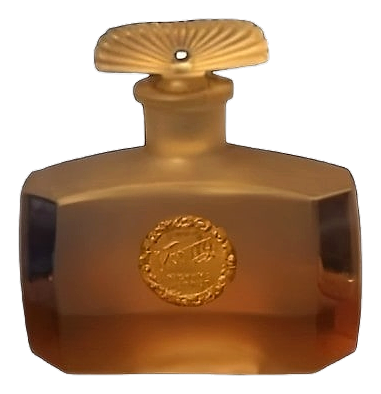
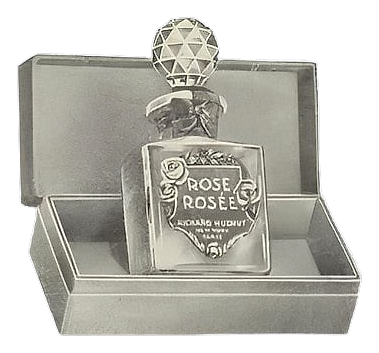
Rose Rosée arrived in 1910 from Richard Hudnut. Its name points plainly to rose, the central floral idea, but the research provides no verified account of a particular garden, person, or story behind it. With no published note breakdown or credited perfumer available, the name offers the clearest point of entry. It identifies the fragrance through one floral reference rather than a documented narrative, leaving the composition open to discovery. Rose Rosée belongs to a precise historical moment, when fragrance was becoming a more visible part of personal style. Its appeal lies in this direct naming and the space it creates for the wearer to experience the scent on their own terms.
With no published note breakdown or credited perfumer available, the most reliable point of interest is the rose named in the fragrance. The research does not establish a fuller account of its ingredients, composition, or changing structure over time. Even so, the title gives Rose Rosée a clear identity and makes the act of encountering it feel immediate. There is no verified garden, person, or origin story attached to the name, so the fragrance remains defined more simply by its stated floral reference.
The evolution
The exact arc of Rose Rosée is not documented, so its development cannot be described with confidence. No published note breakdown, credited perfumer, or verified account establishes how the fragrance changes after application or how it wears over time. The name supplies one clear reference in rose, but that alone does not confirm the materials, texture, or structure of the composition. Any account of brightness, warmth, intimacy, or persistence would therefore go beyond the available evidence. What remains is a fragrance known by a concise floral name, offering a clear point of discovery without a documented evolution behind it.
Cultural impact
Rose Rosée was introduced in 1910, but the available research does not document its reception, sales, cultural influence, or relationship to a wider group of fragrances. Its name identifies rose as the central reference, yet that alone does not establish the composition or explain how it was understood at the time. The fragrance therefore invites historical discovery without supporting claims about its place in industry or society.