
The Story
Why it exists.
The beginning
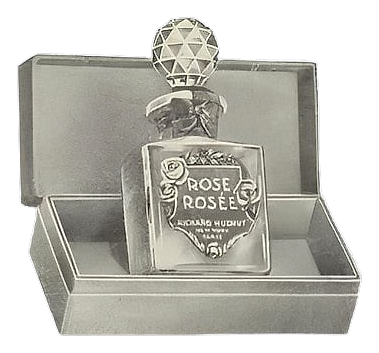
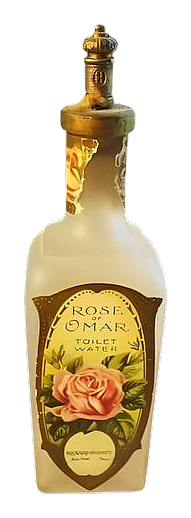
Rose of Omar arrived in 1912, when Richard Hudnut was already shaping American fragrance with an eye toward international recognition. The name points to its rose-led character, while the period's fashion favored floral perfume as a form of self-expression. No perfumer is documented in the available research, so the creation story stays with the scent itself: a polished floral idea shaped for women who wanted beauty, confidence, and a little glamour without an aristocratic air.
The available note record gives Rose of Omar a honeyed rose-like character, with bergamot and neroli at the top and honeysuckle through the heart. That pairing is interesting because citrus brightness keeps the floral from becoming overly sweet, while honeysuckle brings a soft, nectar-like texture. The result feels less like a single rose bouquet and more like a carefully dressed floral arrangement, with lifted edges and a warm center.
The evolution
The scent begins with a polished lift from bergamot and neroli, bright enough to catch attention without feeling sharp. Honeysuckle then draws the composition inward, replacing that clean brightness with a sweeter, more tender floral air. As the honeyed rose character develops, the fragrance appears to soften and gather warmth, settling into a close, feminine trail rather than a loud floral entrance. The lasting impression is of roses with sweetness and a little citrus light still caught in the edges, a 4-6 hour wear that leaves a gentle floral trace on skin.
Cultural impact
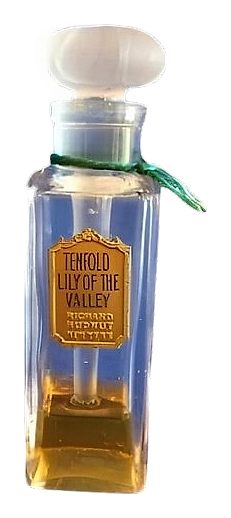
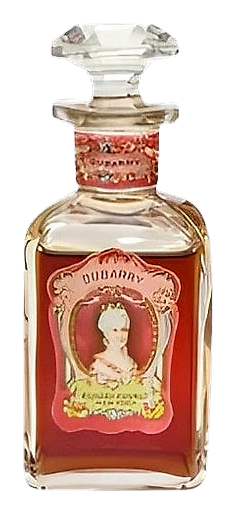
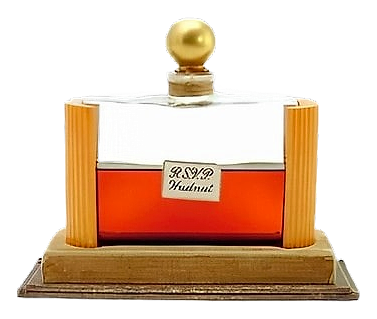
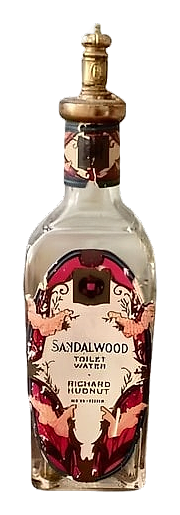
Richard Hudnut's house was associated with American beauty made broadly available, using striking packaging and bold advertising to give fragrance a public, cosmopolitan presence. Rose of Omar belongs to that early-20th-century mood: a floral scent presented as a form of self-expression, with the wearer's poise doing as much work as the bouquet.