
The Story
Why it exists.
The beginning
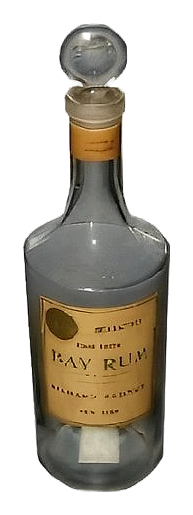
Bay Rum by Richard Hudnut arrived in 1908, when American perfumery was turning grooming products into daily rituals rather than guarded luxuries. Its name places it squarely in the bay rum tradition: warm spice, aromatic herbs, and a clear barbershop character, made for men who wanted fragrance to look as composed as the rest of their appearance. Richard Hudnut's house had built its reputation on bringing beauty and scent into broad public life, so this is an elegant idea rendered with everyday directness. There is no attributed perfumer in the available record, so the composition is best understood through its established style: familiar, aromatic, and immediately legible.
What makes this bay rum worth seeking out is its restraint. Rather than becoming a dense, sweet spicebomb, it sits inside the familiar grooming register of warm aromatic herbs and clean masculine polish. That gives the fragrance a useful tension: the bay leaf feels vivid and slightly rugged, while the overall effect is neat, social, and put together. It is the kind of scent built around contrast, not extravagance. Nothing needs to shout across the room for the composition to register.
The evolution
The first impression is clean and aromatic, with the bay rum accord speaking in a clipped, fresh register. As it settles, the warm spice and herbal character become more forgiving, moving toward a dry, groomed finish rather than a flamboyant sweet one. The opening's brightness gives way to a steadier, woody warmth, while the composition keeps a disciplined distance from anything overplayed. In practical terms, expect a 4-6 hour lifespan, with moderate sillage and a scent that stays close rather than announcing itself from across the street. By the time the top notes have quieted, the final impression is neat, warm, and distinctly barbershop.
Cultural impact
Bay Rum sits comfortably within Richard Hudnut's broader American glamour: poised, self-made, and socially magnetic without relying on inherited status. Its barbershop register makes it a scent for routine rituals, early departures, and days when looking put together matters more than making a grand entrance. The 1908 launch also places it in a period when fragrance was becoming a visible part of modern grooming and public identity.