
The Story
Why it exists.
The beginning
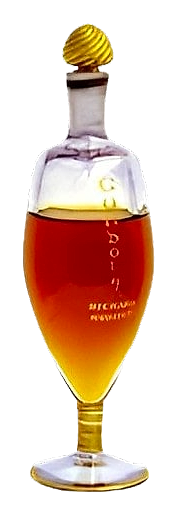
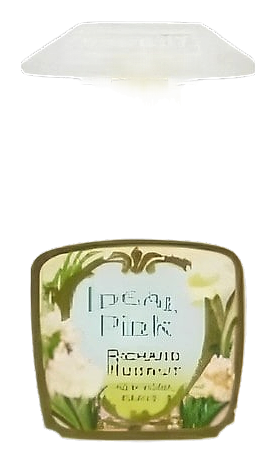
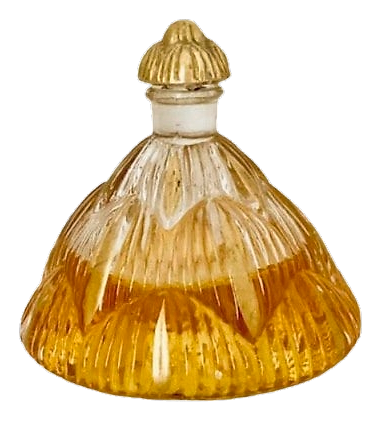
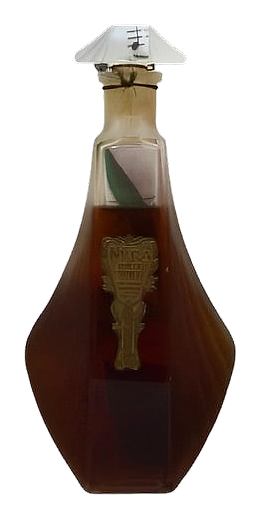
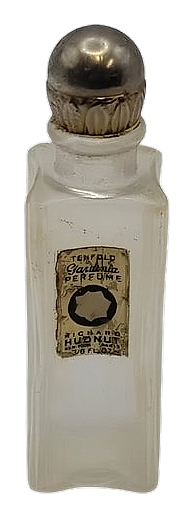
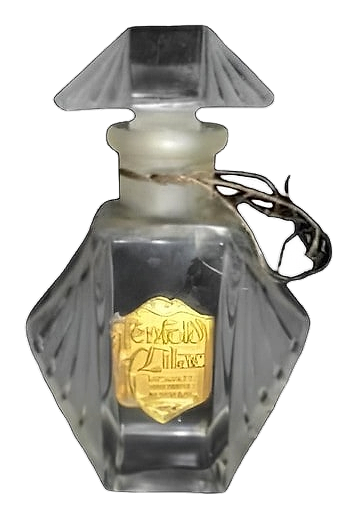
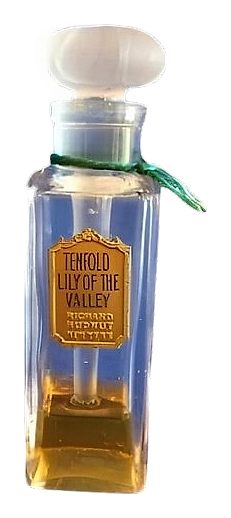
Tenfold Lily of the Valley was released by Richard Hudnut in 1930. Its name points directly to lily of the valley, a floral note valued for its clean, green, quietly radiant character. No named perfumer is attached to the release, so the available record leaves its creator unidentified and places attention on the fragrance itself. The name also offers a clear point of entry for discovery: a recognizable floral reference presented without a crowded list of ingredients or a need for elaborate explanation. Tenfold Lily of the Valley can be read as an invitation to experience one floral idea in a polished setting, with the flower kept firmly in view.
That clear naming gives Tenfold Lily of the Valley its distinctive identity. Lily of the valley is often used as a supporting floral, but here it occupies the title and remains the central reference of the fragrance. The available record does not establish a formal single-note composition, so the focus is better understood as a naming and presentation choice rather than a confirmed ingredient structure. The result is delicate by association with the flower, while the repeated reference in the name gives it a memorable identity. Tenfold doesn't merely suggest a passing floral trace.
The evolution
The available record identifies the fragrance through its lily of the valley theme rather than documenting a detailed sequence of supported scent changes. Its character can therefore be approached through the flower itself: clean, green, and quietly radiant. The title keeps the floral reference clear from release to wear, offering a consistent point of recognition without requiring unsupported assumptions about opening, development, or longevity. How it feels on skin may vary, but the fragrance's documented identity remains centered on lily of the valley. Its lasting impression is best described through that clear floral association rather than an invented performance range or prescribed timeline.
Cultural impact
Tenfold Lily of the Valley is tied to Richard Hudnut through its 1930 release and its clearly stated floral subject. Its title invites recognition at a glance, offering a straightforward way to discover the fragrance through the association with lily of the valley. The available material does not provide reliable reception or sales history, so the fragrance's cultural place cannot be assessed through claims about modern femininity, self-expression, advertising trends, or broader market positioning. Its most secure point of reference is the combination of house, date, and floral name.