The Story
Why it exists.
The beginning
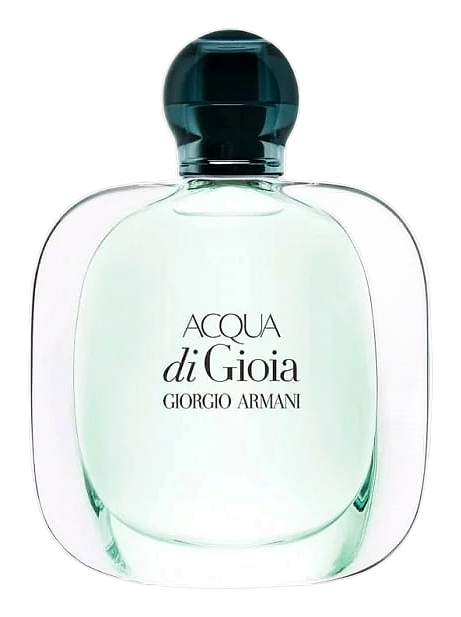
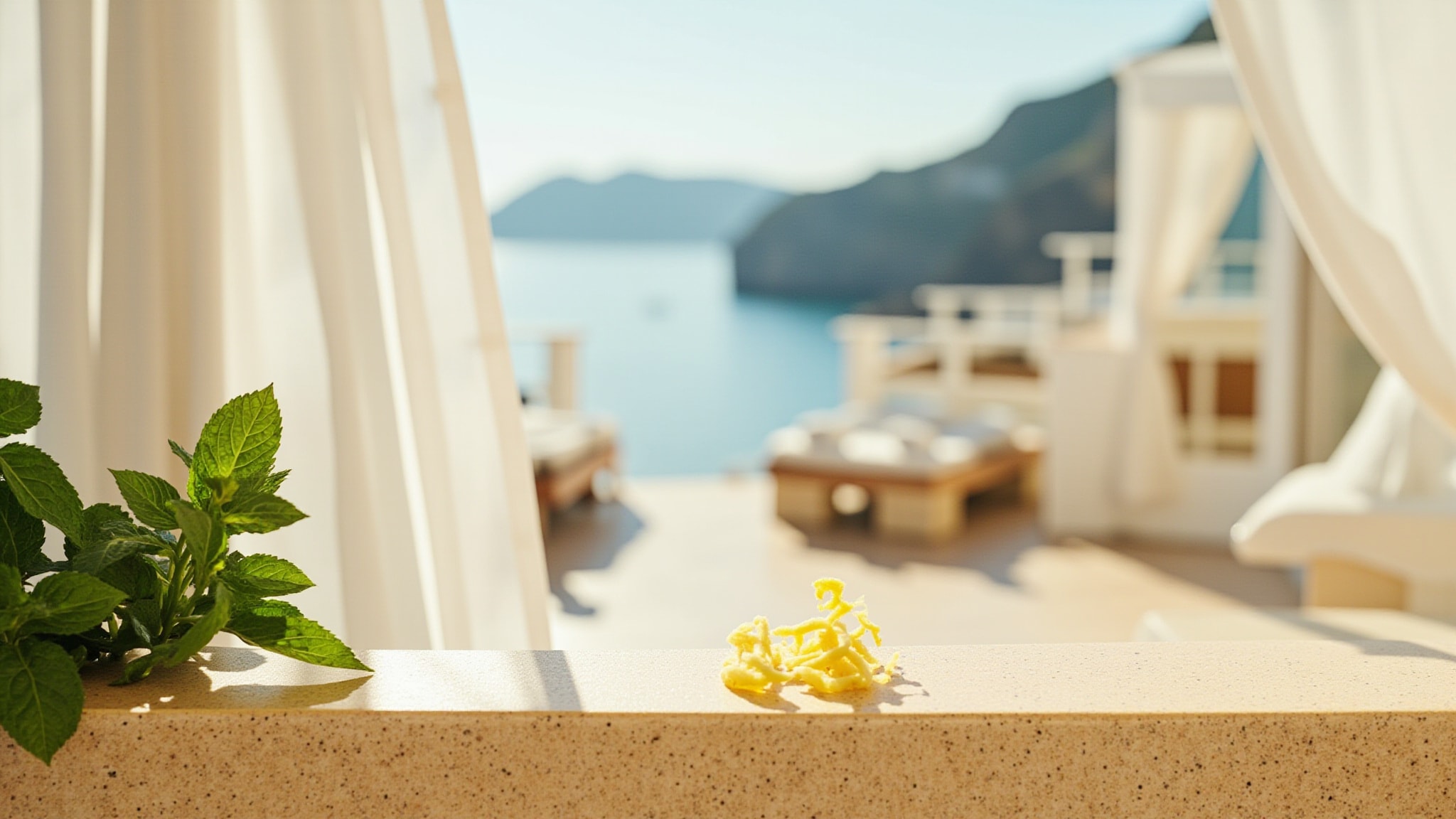
Armani released Acqua di Gioia Eau de Parfum in 2010, and the formula carries the fingerprints of three perfumers working in conversation: Loc Dong, Anne Flipo, and Dominique Ropion. Each brought something to the structure, and the result is a composition that reads like sunlight bouncing off moving water. The opening is crisp, almost edible: crushed mint leaves tangled with lemon zest, a brightness that hits before the warmer notes have time to settle. Then the jasmine enters, and the temperature changes. It smells airy rather than heavy, the kind of white floral that suggests petals warming in afternoon light rather than blooming in a darkened room.
The structure is interesting for what it leaves out. There's no heavy musk scaffolding, no oud, no dense gourmand base. Instead, Loc Dong anchored a bright, aquatic composition with brown sugar and labdanum, materials that read warm but never heavy. The mint isn't peppermint. It's the cool green variety, behaving almost like a breeze note, not a flavor. And pink pepper in the heart, rather than black, keeps the spice at a whisper rather than a crackle. It's a construction built on restraint. Each note does one job, and the jobs don't overlap.
The evolution
The first fifteen minutes are almost clinical in their brightness. Lemon, sharp and immediate, with mint cutting across it like a blade of grass. Aquatic notes give it that just-showered, pool-adjacent quality, a cool wash that hits before anything else has settled. Then the jasmine and peony arrive together, and the temperature shifts upward. The mint doesn't disappear. It retreats, becoming a coolness underneath rather than a note on top, threading through the floral heart like a cold current running beneath warm surface water. Pink pepper adds a faint static charge, barely there, more suggestion than spice. The jasmine reads airy and bright here, the kind of white floral that suggests petals warming in afternoon light rather than blooming in a darkened room. By the two-hour mark, the sugar and cedar take the floor.
Cultural impact
Acqua di Gioia landed in 2010 and quickly became one of the defining eaux de parfum of its moment in mainstream perfumery. The juice offered something specific: a clean, watery floral built around mint, lemon, jasmine, and a softly resinous base of cedar and labdanum. It arrived at a time when many fragrances in the broader market leaned heavily on ozonic synthetics and heavy musks, and it offered an alternative that felt lighter and greener without losing presence. The mint in the opening, treated as a serious top note rather than a fleeting accent, gave the composition its signature.