The Story
Why it exists.
The beginning
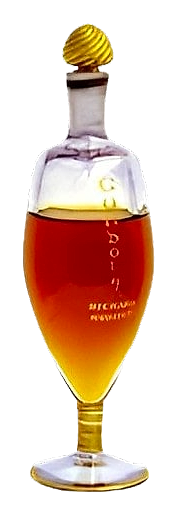
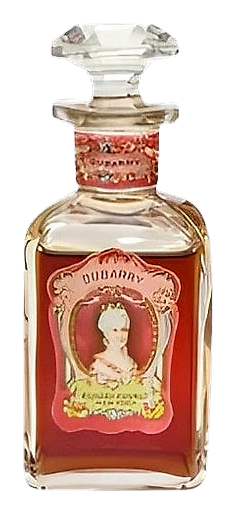
DuBarry was launched in 1902 by Richard Hudnut. Its fragrance profile places mimosa and rose beside citrus, woody accords, and musk, creating a women's floral-woody composition with a soft floral center and a grounded base. Mimosa contributes an airy, delicate impression, while rose adds a more defined floral character. Citrus brings brightness to the opening, and the woody and musky materials give the scent depth, structure, and a smooth finish. The result is poised and gently rounded, with each note tempering the others rather than standing entirely on its own. No single origin story is documented here, so the reliable center is a 1902 launch, a floral-woody profile identified for women, and a composition built around the interplay of mimosa, rose, citrus, wood, and musk.
The structure matters more than any one floral. Mimosa and rose create a buoyant, softly rounded center, with mimosa lending an airy quality and rose giving the arrangement a little more definition. Woody and musk accords provide a grounded foundation, balancing the flowers and keeping the composition from feeling purely green or garden-like. Citrus adds lift at the beginning, lending a fresh brightness to the opening impression. As the scent settles, the warmer notes of wood and musk become more apparent beneath the floral heart, creating a smooth transition from brightness to softness.
The evolution
DuBarry begins with a bright impression, with citrus lifting the airy character of mimosa. As the opening settles, rose adds a more defined floral layer, bringing a soft, rounded quality to the composition. The woody accord gives the fragrance structure beneath the flowers, while musk acts as a subtle anchor that supports the overall sense of balance. The notes move naturally from freshness to a gentler floral-woody character, with citrus providing lift, mimosa and rose shaping the center, and wood and musk contributing depth. The drydown is described as smooth and close to the skin rather than sharply dramatic, leaving a restrained floral impression supported by the warmer base. Longevity is listed as above average, though the available material does not establish a precise wear time.
Cultural impact
DuBarry is documented as a premium women's fragrance launched by Richard Hudnut in 1902, with a floral-woody profile and notes of mimosa, rose, citrus, wood, and musk. The available material also notes its use in complementary beauty products. Its scent presents a clear contrast between bright citrus, airy mimosa, defined rose, and the deeper woody and musky base, making it recognizable as a balanced floral-woody composition rather than a fragrance built around a single dominant note.
The House
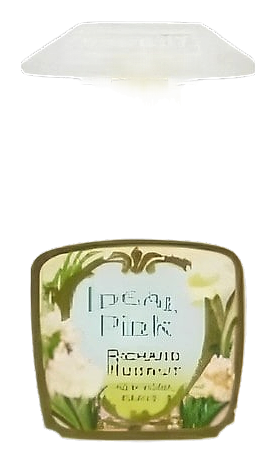
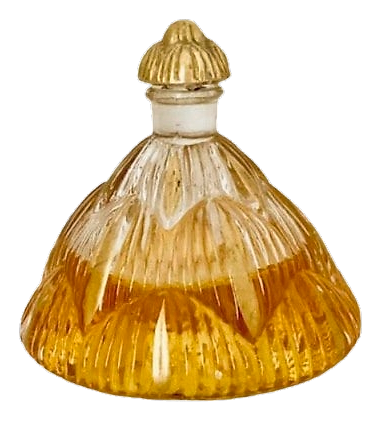
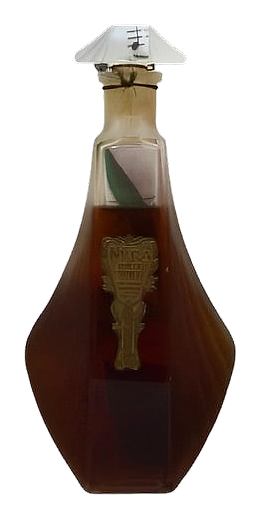
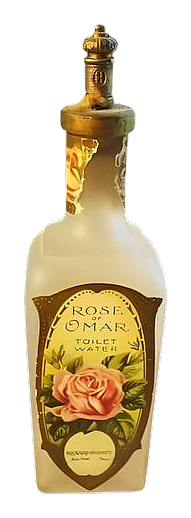
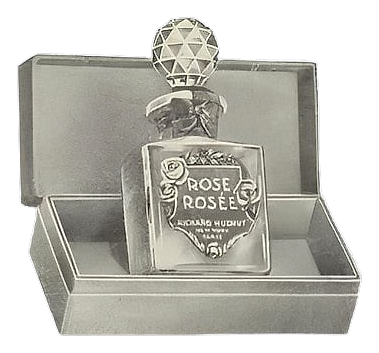
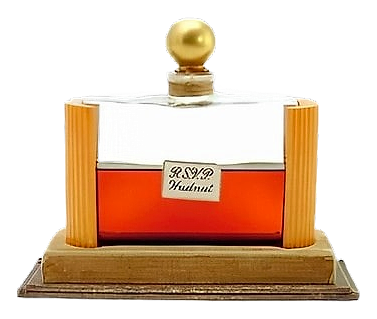
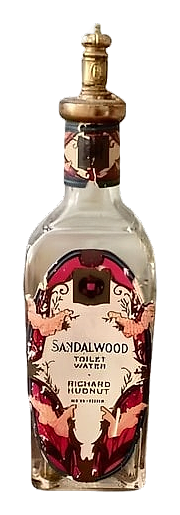
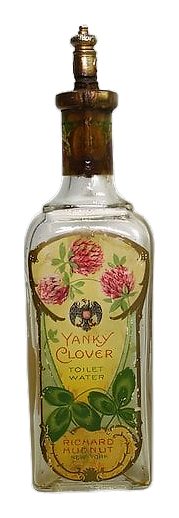
Richard HudnutRichard Hudnut built something that American beauty had never truly seen before: an internationally recognized perfume house with mass appeal. Born in 1855, this New York entrepreneur launched his empire at 25, selling fragrances from his father's pharmacy before carving out a cosmetics empire that made him the first American to achieve real success in global perfumery. The brand's Art Deco packaging and strong advertising made it a household name through the 1920s and beyond.
The Creator
Richard HudnutHudnut’s perfumery was shaped by the French floral tradition, with compositions intended to appear elegant, polished, and distinctly feminine. The surviving references emphasize his use of fragrance as an accompaniment to cosmetics rather than a solitary indulgence, suggesting…