
The Story
Why it exists.
The beginning
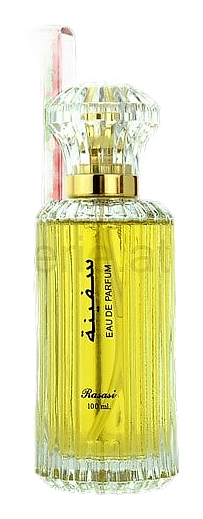
The name Safina means vessel in Arabic, a container for something meant to travel. From Rasasi's Heritage Collection, this fragrance was built to translate the idea of the enchanted oriental garden into classical chypre form. Not the orientalism of Western imagination, but the real thing: layered, green, alive. The brief was reflection and quiet passion, scents you'd lean into rather than announce.
What makes this work is the aldehydes. They don't just open, they announce. And then the rhubarb and green notes cut through the sweetness before it arrives, keeping everything sharp, almost medicinal in the best way. The oakmoss in the base isn't cosmetic moss, it's the real thing, earthy and dark and just slightly animalic from the castoreum. Rasasi built its reputation on attars, on understanding how animalic and resinous materials behave over time. That knowledge lives here, even in a modern chypre.
The evolution
First contact: aldehydes bloom bright, almost fizzy. Bergamot cuts through immediately, followed by rhubarb's tartness. Green notes keep things sharp for the first thirty minutes, you're aware you're wearing something with structure. The transition into the heart happens gradually, almost reluctantly. Jasmine and ylang-ylang arrive together, warmer, creamier. The rose doesn't announce itself so much as become apparent. The heart lasts well, two to three hours of soft florals held in check by the green that refuses to fully disappear. Then oakmoss takes over, patchouli deepens it, and the castoreum whispers at the edges. The drydown stays close to skin. What lingers is sandalwood, resinous and warm, with a ghost of moss underneath. Eight hours on fabric. Six on skin.
Cultural impact
Safina occupies a distinctive position within the modern Middle Eastern fragrance landscape, serving as a bridge between traditional Arabic perfumery traditions and the classical European chypre genre. Rasasi, established in 1979, built its reputation on precious raw materials like oud, amber, and saffron, and Safina represents the house's effort to translate that expertise into a spray format appealing to international audiences. The fragrance's aldehydic character connects it to Western perfumery milestones from Chanel and Guerlain, while its Rasasi origins ground it in a heritage of attar-making mastery.