The Story
Why it exists.
The beginning
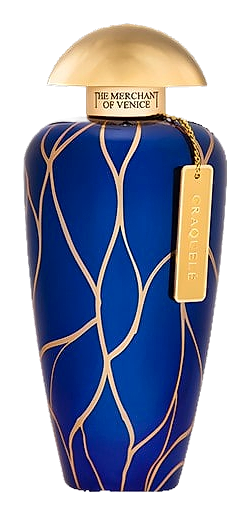
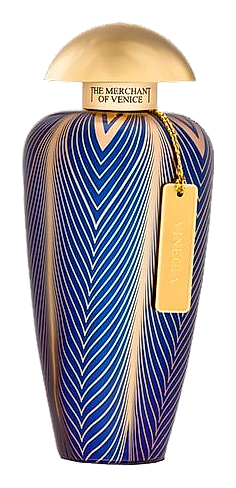
In 2021, Venice celebrated its 1600th anniversary, founded, according to tradition, on March 25, 421. The Merchant of Venice marked the occasion in 2015 with Vinegia, a fragrance that translates the city's ancient role as the gateway between East and West into scent. The name alone carries weight: Vinegia is the old Venetian word for the city, the one used by merchants and diplomats when the lagoon was the center of the known world. Refined raw materials, agarwood, castoreum, rose, arrived in Venice via the same routes that once carried spices from the Sultanate of Oman to the workshops of the Grand Canal. Vinegia captures that opulence, that fascination with the exotic, in a bottle dressed in the blue and gold of the Murano Exclusive collection.
What makes Vinegia worth your attention is the animalic base. Castoreum, derived from beaver glands, used in perfumery for centuries, sits alongside agarwood in the drydown. Most modern fragrances keep castoreum buried, but here it surfaces deliberately, adding a warm, leathery depth that amplifies the oud rather than competing with it. Benzoin then softens the edges, giving the base a balsamic sweetness that keeps the animalic from overwhelming. The result is a fragrance that smells ancient and modern at once, like opening a trunk of old silks and finding something still worth wearing.
The evolution
The opening hits cool and bright: red berries, a hint of coriander spice, and the clean sweetness of apple blossom. It reads like morning on the lagoon, that brief hour when the water is still and the light is even. Within 20 minutes, the juniper and cypress arrive, pulling the composition toward something drier, more resinous. The rose is there, but it's not a front-row rose. It hides in the middle, adding warmth rather than sweetness. By the second hour, the oud takes over. Not aggressively, it settles into the skin like it belongs there. The castoreum emerges next, giving the drydown a leathery, almost smoky quality that reads as animalic without being crude. Patchouli and cedar ground everything. On most skin types, Vinegia lasts eight to ten hours. The sillage is moderate, close to the body after the first hour, present but never overwhelming. The next morning, traces of benzoin and cedar remain, faint and warm against the skin.
Cultural impact
Vinegia occupies a specific corner of the fragrance world: oud-forward, animalic, and unapologetically opulent. It appeals to wearers who want a fragrance with a point of view, one that asks something of the people around it rather than simply pleasing them. The combination of castoreum and oud is not common in modern perfumery, and those who appreciate it tend to be passionate about it. It is the fragrance for someone who has always been drawn to the animalic, the warm, the close, the alive.