The Story
Why it exists.
The beginning
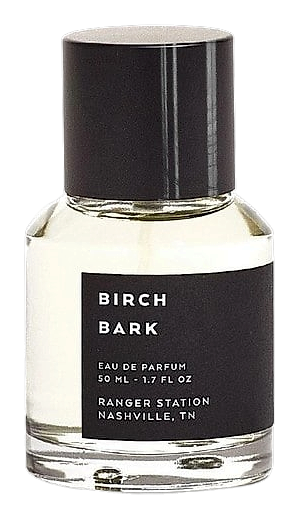
Birch Bark launched in 2018 from Ranger Station, composed by Steve Soderholm, whose work as a perfumer centers on a refusal to decorate where structure already speaks. The fragrance takes its name from its anchor material: birch tar, a dark resin with a long history in Northern perfumery traditions. Rather than building a conventional pyramid with bright top notes and a supporting base, the composition arranges itself around that smoky resin, letting the material carry weight from the first spray to the last trace on skin. The result is a scent that reads as place first, perfume second, less an arrangement of notes than an atmosphere you step into. There's a density to it, a sense of something rendered rather than mixed.
The birch tar sits in the base, but it arrives early through the smoke and pine resin in the heart, coloring everything above it. The iris and salt in the opening don't compete with the tar. They negotiate with it. Cool against warm, mineral against resin. It's a tension that resolves slowly, over hours, rather than announcing itself in the first spray. The aquatic notes lend a cool, almost briny lift in the first minutes, keeping the composition from collapsing into pure smoke before the heart has time to develop.
The evolution
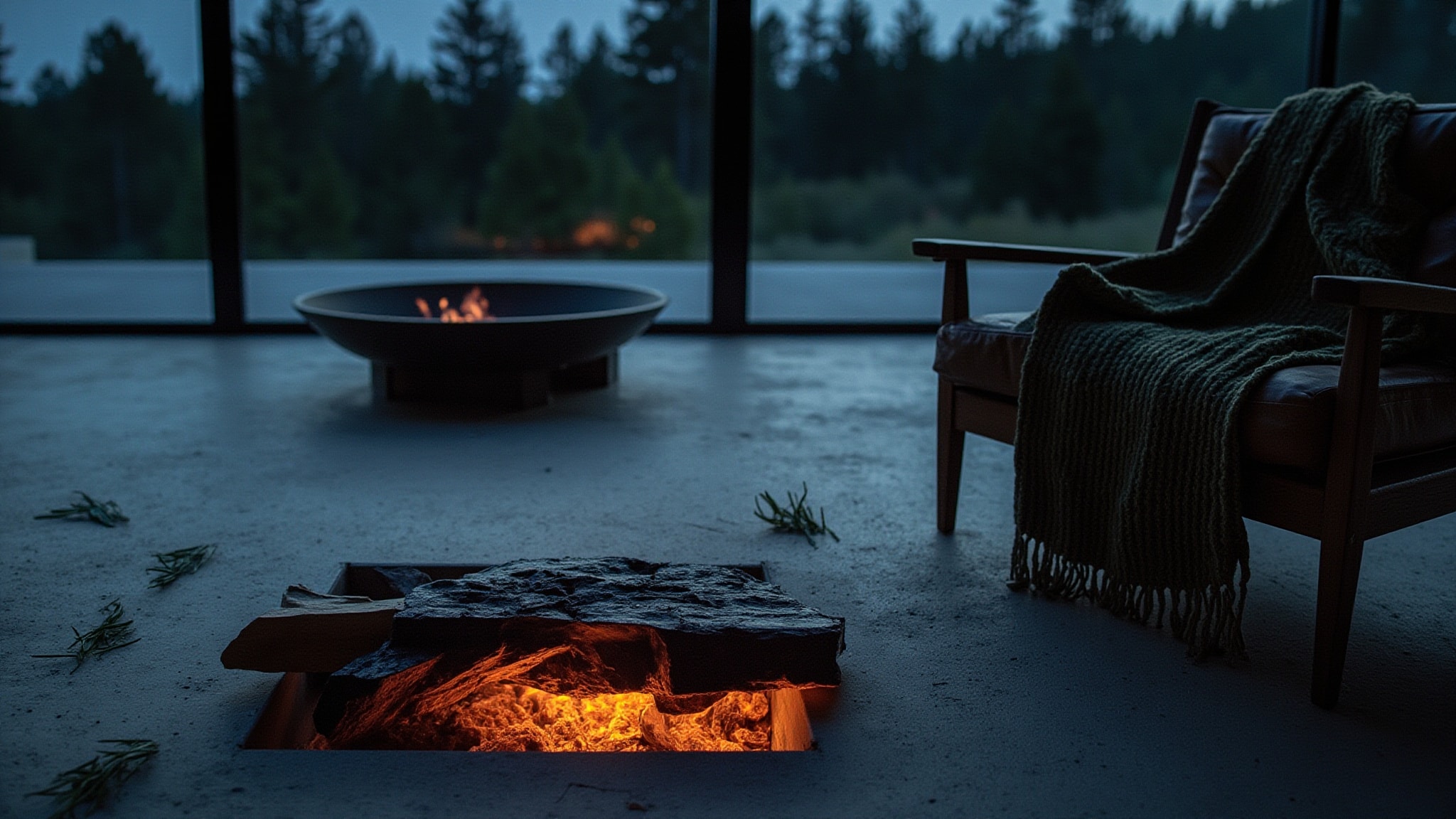
The first ten minutes are disorienting in the best way. Pine needles and salt hit sharp, almost bracing, like stepping outside after rain. There's a cold mineral quality from the aquatic notes that gives the opening a distinctly outdoor character, something that recalls wind off cold water and wet stone. The iris adds something powdery and root-like beneath it, keeping the opening from feeling purely outdoorsy. By the thirty-minute mark, the sandalwood and oak in the heart start pulling warmth into the composition. The smoke becomes visible, not just an idea. The shift is gradual enough that you stop noticing it, then suddenly realize the cold opening has been replaced by something resembling a leather jacket left too close to a fire.
Cultural impact
Birch Bark's birch tar centerpiece gives it a clear identity within the landscape of American indie perfumery, one rooted in a single material's character rather than a showcase of technique. The fragrance commits fully to its smoky, resinous center, and that commitment shapes everything around it. The iris and salt in the opening provide contrast without competing, the pine and oak in the heart build warmth and gravity, and the charred cedar in the base adds a sweetness that rounds out the smoke without softening it.
The House
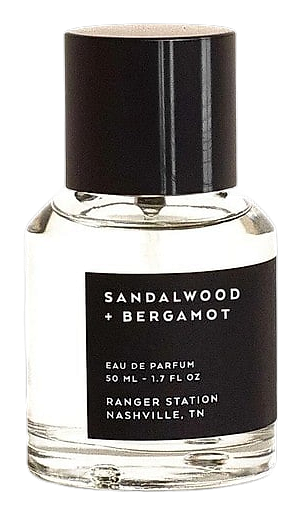
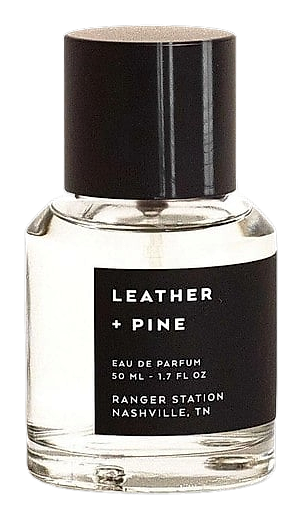
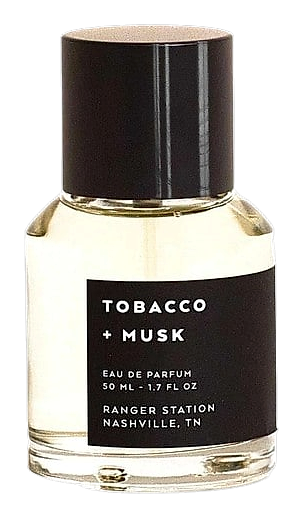
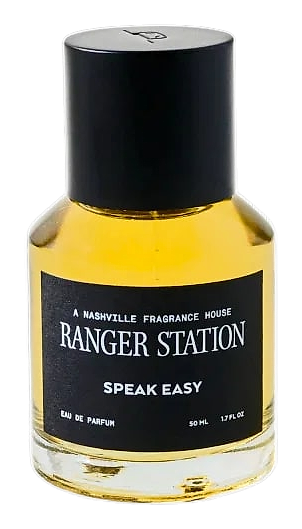
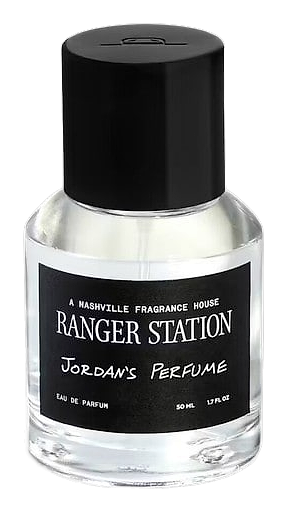
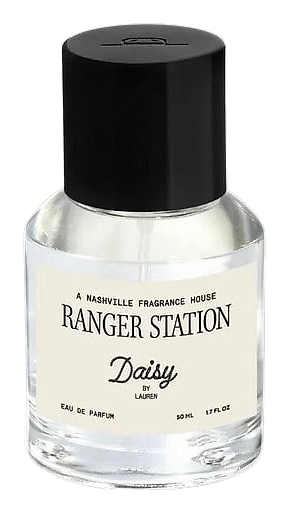
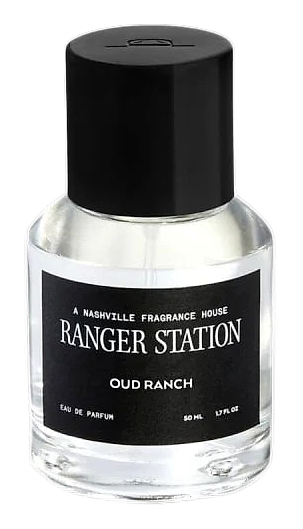
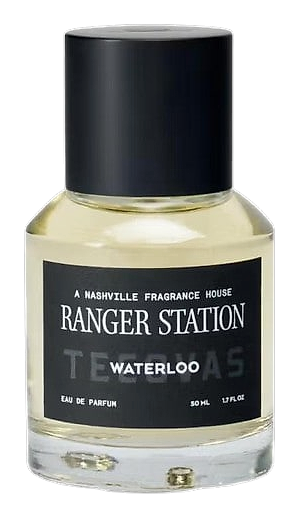
Ranger StationRanger Station is a Nashville-based fragrance house founded in 2015 by husband-and-wife duo Steve and Jordan Soderholm. The brand emerged from an unconventional origin: a musician with no formal perfumery training who began creating candles in reusable cocktail glasses from a refurbished Ranger Station building. This self-taught approach to scent creation became a defining characteristic, as Steve Soderholm built the brand's fragrance portfolio through experimentation rather than formal industry conventions. Today, Ranger Station produces a collection of perfumes including Tobacco + Musk (2018), Santalum (2018), Leather + Pine (2018), Sandalwood + Bergamot (2020), and Daisy (2023), among others. The brand has expanded beyond its Tennessee roots to include a retail presence in New York City, while maintaining its independent ownership structure. Ranger Station has also collaborated with country artist Ernest on signature fragrance releases tied to his music.
The Creator
Steve SoderholmDrawing from his musical background, Soderholm structures fragrance compositions with an attention to rhythm and progression. He favors warm, grounded materials that feel connected to the American South without being predictable.