The Story
Why it exists.
The beginning
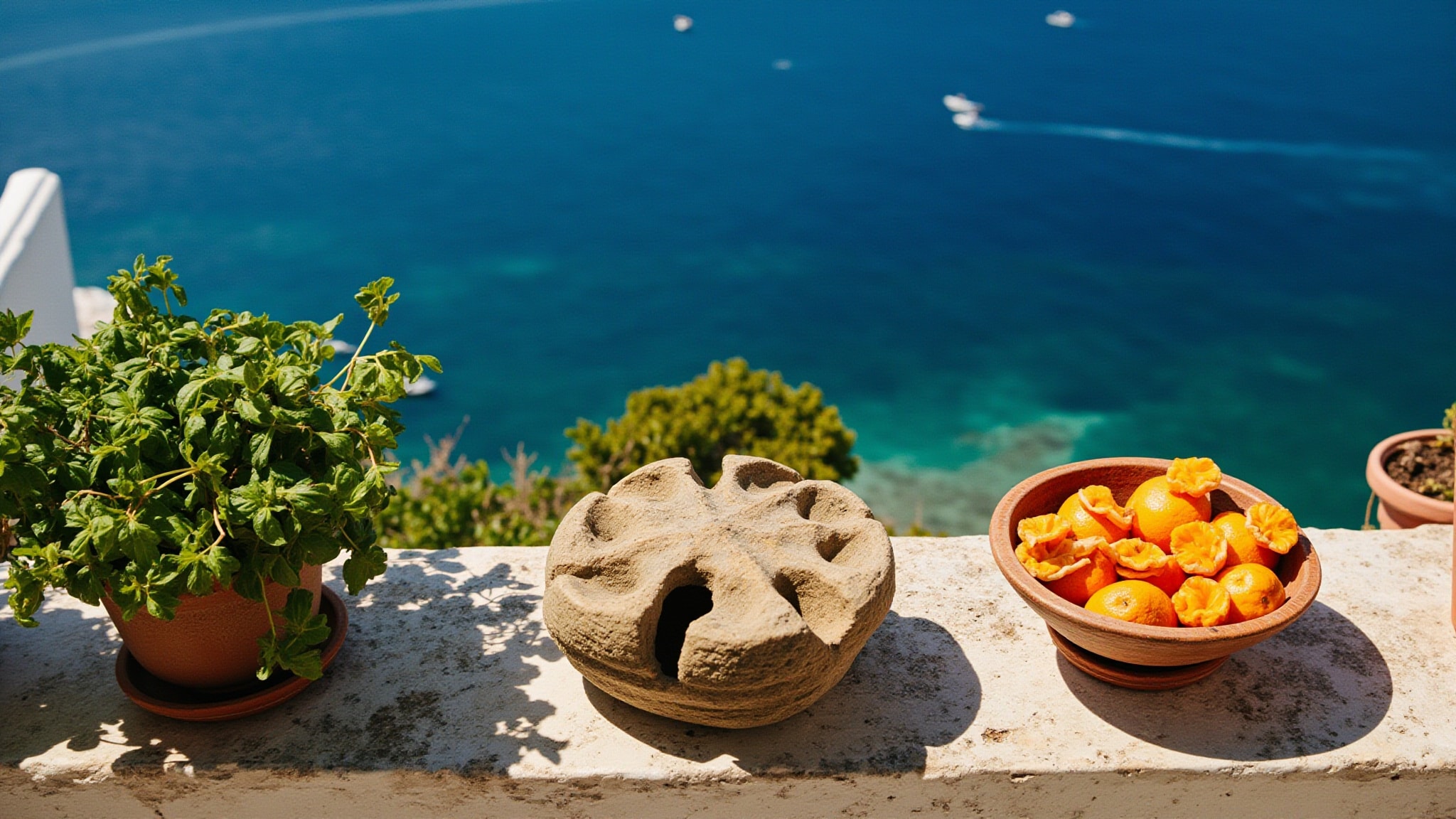
Calice Becker built Mandarino di Amalfi around a single idea: the Amalfi Coast, whitewashed villas, lemon groves, the smell of mint crushed underfoot. Not a postcard version. Something that felt like arrival. The fragrance launched in 2014 as part of the Private Blend collection, where each scent starts from a concept rather than a market brief. Becker's task was to translate an Italian coastal idyll into something wearable and lasting, which meant reaching beyond simple citrus into the herbal and animalic territories that give the fragrance its structure. The brief was sensory memory, not decoration.
The note philosophy treats citrus not as a fleeting top note but as the primary narrative, sustained by aromatic herbs that function as both structural support and character. Mint, basil, and tarragon do not merely accompany the citrus; they extend it, slowing evaporation and creating the illusion that the opening lasts longer than it technically does. Blackcurrant adds a fruity depth that rounds the edges, preventing the citrus from smelling sharp or one-dimensional. The heart introduces florals as relief rather than replacement, with jasmine and orange blossom offering softness against the herbal architecture. Coriander seed and black pepper provide spice that previews the drydown's warmth.
The evolution
The opening hits immediately with mandarin orange, bergamot, grapefruit, and lemon, creating a citrus cluster so concentrated it reads almost as a single note before the green complexity beneath becomes apparent. Blackcurrant, mint, basil, and tarragon surface within the first minutes, introducing herbal and fruity-green dimensions that extend the opening beyond typical fleeting citrus. As the heart develops, orange blossom and jasmine soften the composition while coriander seed, black pepper, and clary sage introduce aromatic spiced warmth. Shiso leaf adds a unique vegetable-green character that gives the heart an unexpected complexity, keeping the floral elements from smelling sweet or predictable. The drydown shifts the narrative to warmth through amber, musk, and civet, with labdanum providing a resinous depth and vetiver supplying the earthy, dry finish that prevents the entire experience from becoming soft. The citrus thread never fully disappears, acting as a persistent throughline that unifies the opening, heart, and base into a cohesive arc.
Cultural impact
Since its launch, Mandarino di Amalfi has become one of the Private Blend collection's most-worn fragrances, a staple in warm weather wardrobes. The composition stands out as a bold citrus statement, refusing to be merely refreshing or safe. The fragrance makes a clear declaration through its sustained top notes and herbaceous heart, distinguishing itself from gentler coastal interpretations. Wearers who gravitate toward it tend to appreciate its architectural quality, the way it builds something substantial from ingredients often dismissed as fleeting or simple.