

Heritage
A house, in its own words
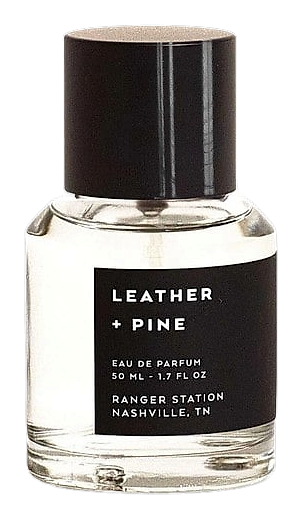
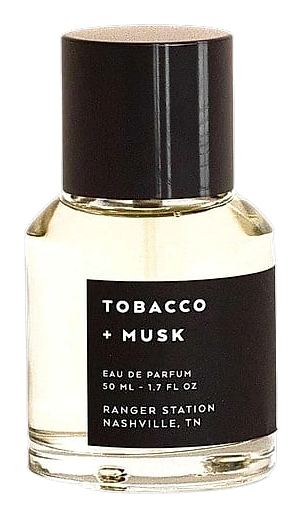
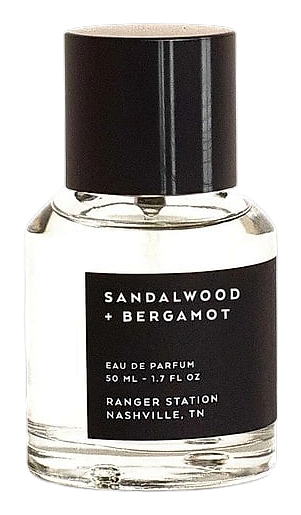
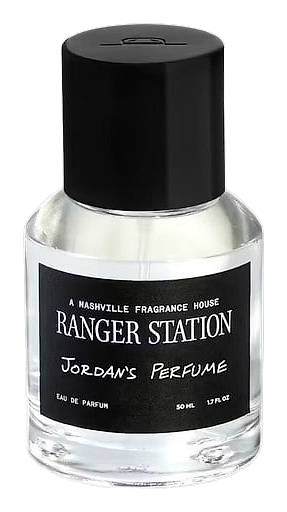
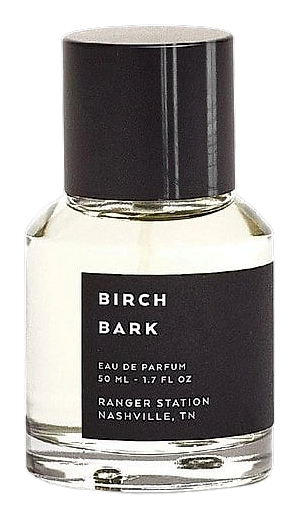
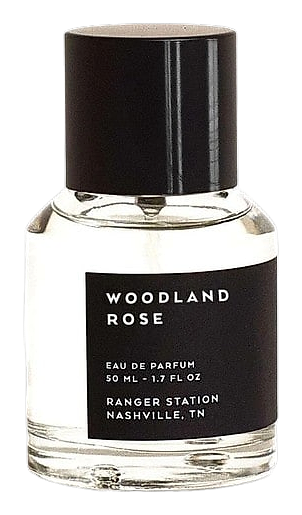
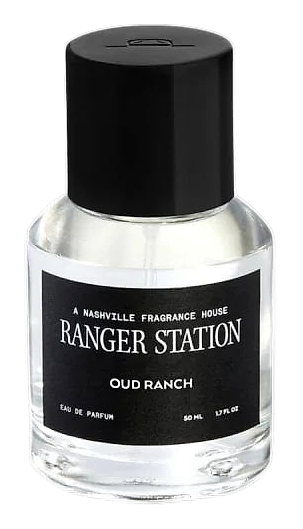
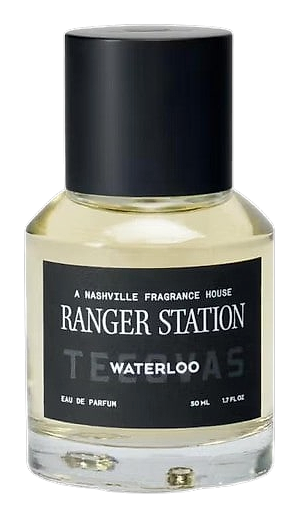
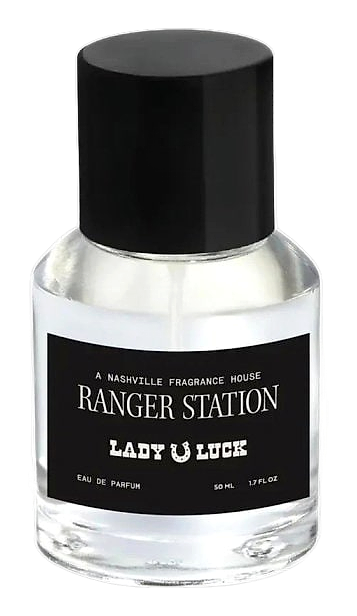
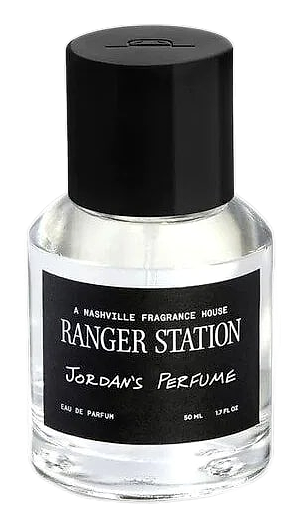
The story of Ranger Station begins with Steve Soderholm, a musician who transformed a decommissioned Ranger Station in Nashville into his creative workspace around 2015. Working alongside his wife Jordan, Steve launched the brand with an innovative concept: hand-poured candles housed in reusable cocktail glasses, blending his musical sensibility with an unexpected medium. The Ranger Station building itself, a piece of Tennessee infrastructure repurposed for creative use, became both the brand's physical origin and its namesake. This unconventional entry into fragrance, starting with candles before moving into perfumery, set Ranger Station apart from houses with traditional industry backgrounds. The Nashville location proved significant, as the city has developed into a surprising hub for fragrance manufacturing, despite being more commonly associated with country music and food culture. The couple built the business gradually, with Steve teaching himself the fundamentals of scent composition through experimentation and iteration rather than formal study. The brand's growth has been steady rather than explosive. By 2018, Ranger Station had expanded into a full fragrance collection, releasing multiple perfumes that demonstrated the founder's developing aesthetic. Recent years have brought expanded retail presence, including the opening of a New York City location, signaling the brand's reach extending beyond its Tennessee origins. Partnerships with musicians like Ernest have further connected the brand to Nashville's creative community, creating fragrances tied to specific songs and artistic collaborations. The evolution from candle maker to established fragrance house illustrates how unconventional beginnings can produce a coherent creative vision over time. Ranger Station operates with a philosophy of intentional minimalism. The approach emphasizes restraint and purpose, building fragrances around two or three key materials rather than layering dozens of notes. This creates scents that feel specific rather than diffuse, each one representing a particular place or moment rather than a generalized impression. The self-taught perfumer background shapes this perspective in fundamental ways. Without formal training comes an absence of conventional rules about what combinations work or fail. Reports indicate that Steve Soderholm has combined notes that trained noses might avoid, developing unexpected pairings through experimentation rather than following established formulas. This unconventional approach produces fragrances that stand apart from industry conventions. The brand values authenticity over market positioning. Independence from outside investors means creative decisions remain tied to the founders' vision rather than quarterly expectations. This allows for risk-taking that larger houses typically avoid, producing scents that may challenge conventional preferences if they align with the brand's aesthetic goals. The philosophy prioritizes making products the creators genuinely want to wear, trusting that this sincerity translates to customer connection. Each fragrance functions as a sensory snapshot, capturing specific associations and memories rather than abstract concepts. The materials are chosen for their honesty and contribution to the whole, not their trend status or novelty factor. This creates a collection where individual scents remain distinct and memorable, avoiding the dilution that comes from formula-driven development.