The Story
Why it exists.
The beginning
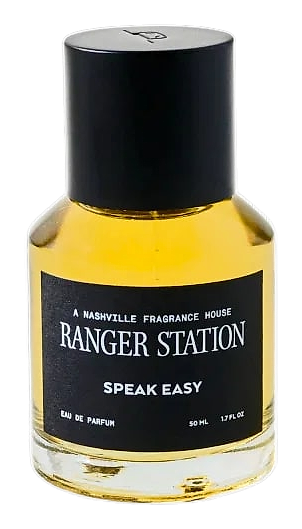
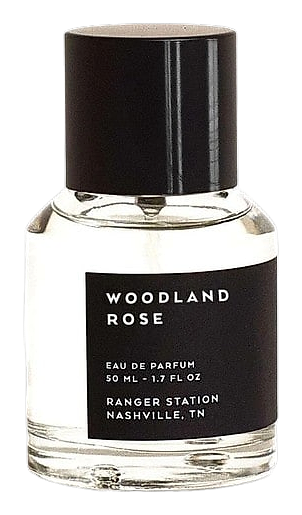
Woodland Rose arrived as one of the earlier entries in Ranger Station's fragrance line. Steve Soderholm, the perfumer behind the brand, built it without leaning on the conventions that usually box rose into a narrow corner of sweetness, powder, or old-fashioned floral formality. The fragrance reads as an attempt to bring rose into a more modern, wearable register. Instead of leaning on the heavy, syrupy quality that defines so many traditional rose compositions, the scent treats the flower as a starting point and then surrounds it with materials that give it lift, warmth, and edge. Juniper brightens the opening. Raspberry adds a tart fruit note that keeps the rose from collapsing under its own weight.
Ranger Station's own copy calls Woodland Rose "a classic scent, often under-executed." That's a useful frame for understanding what the fragrance is trying to do. The combination of rose, sandalwood, amber, and musk has been attempted many times, and the results usually skew toward something thick, sticky, or overly formal. What separates this composition is the way the supporting notes refuse to smother the rose. Juniper brightens the rose and raspberry without turning the opening into a cocktail of competing fruit.
The evolution
The opening hits with the kind of clarity that makes you lean in. Juniper and raspberry lift the rose, giving it a sparkle that almost reads as fresh fruit before the warmth starts closing in. The first few minutes are the brightest the fragrance ever gets, a green-and-fruit shimmer wrapped around the floral core. There's a tart edge to the raspberry that keeps the rose from sliding into anything soft or powdery, and the juniper adds a cool, slightly resinous bite that feels almost outdoorsy. As the composition settles, the warmth moves in quietly. The lavender and labdanum start to register more strongly, and the whole thing tilts from fruity-floral into something darker and more resinous. Labdanum brings a sticky, amber-like warmth while coumarin adds a soft, almost vanillic roundness underneath.
Cultural impact
Woodland Rose sits in an interesting place: it's rose for people who've been disappointed by rose. The kind of fragrance that gets worn by someone who already knows what they like and stopped apologizing for it years ago. It's unisex without performing unisex, grounded without trying to be rugged. The composition earns that position by refusing to overstate its case. The rose reads as a material rather than a theme, treated with the same seriousness as the juniper, the labdanum, the cedar, and the amber around it.