The Story
Why it exists.
The beginning
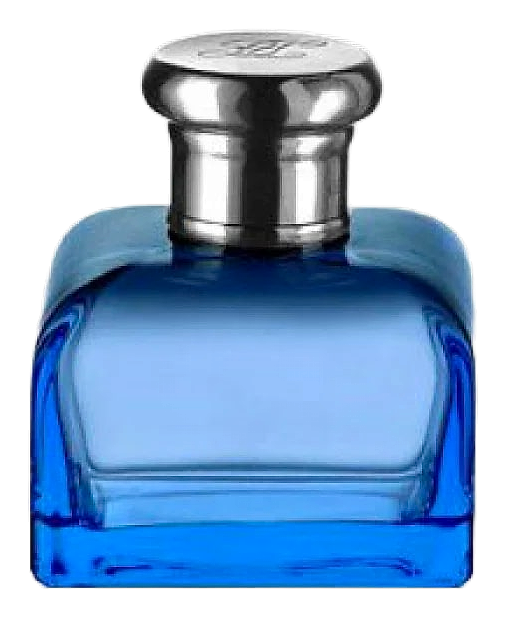
Blue Eau de Parfum arrived in 2005 as a women's floral composition within the Ralph Lauren fragrance portfolio. David Apel composed it, and the intention reads clearly in the juice itself: a dewy, garden-fresh floral handled with a light touch. The scent avoids the heavy spicing and dense sweetness that dominate so many launches, preferring instead a clean, water-cooled bouquet that sits close to the skin. There's no shouting here, no fireworks of amber or spice. Instead, the fragrance offers a well-cut arrangement of white florals dressed in clean musks, the kind of scent that earns a second compliment rather than demanding a first one. The composition feels like a single, considered gesture, intimate and immediate without ever crowding the wearer.
The interesting thing here is restraint acting as structure. Lotus, gardenia, jasmine, lily of the valley, peony, and grapefruit all compete for the same dewy, water-cooled space in the opening, and the formula threads that needle with surprising finesse. Apel uses oakmoss and a measured sandalwood-amber drydown to anchor the bouquet to something grounded and a little bit golden, giving the florals a base that keeps them from floating away. The result is a composition that feels like a single gesture rather than a layering exercise.
The evolution
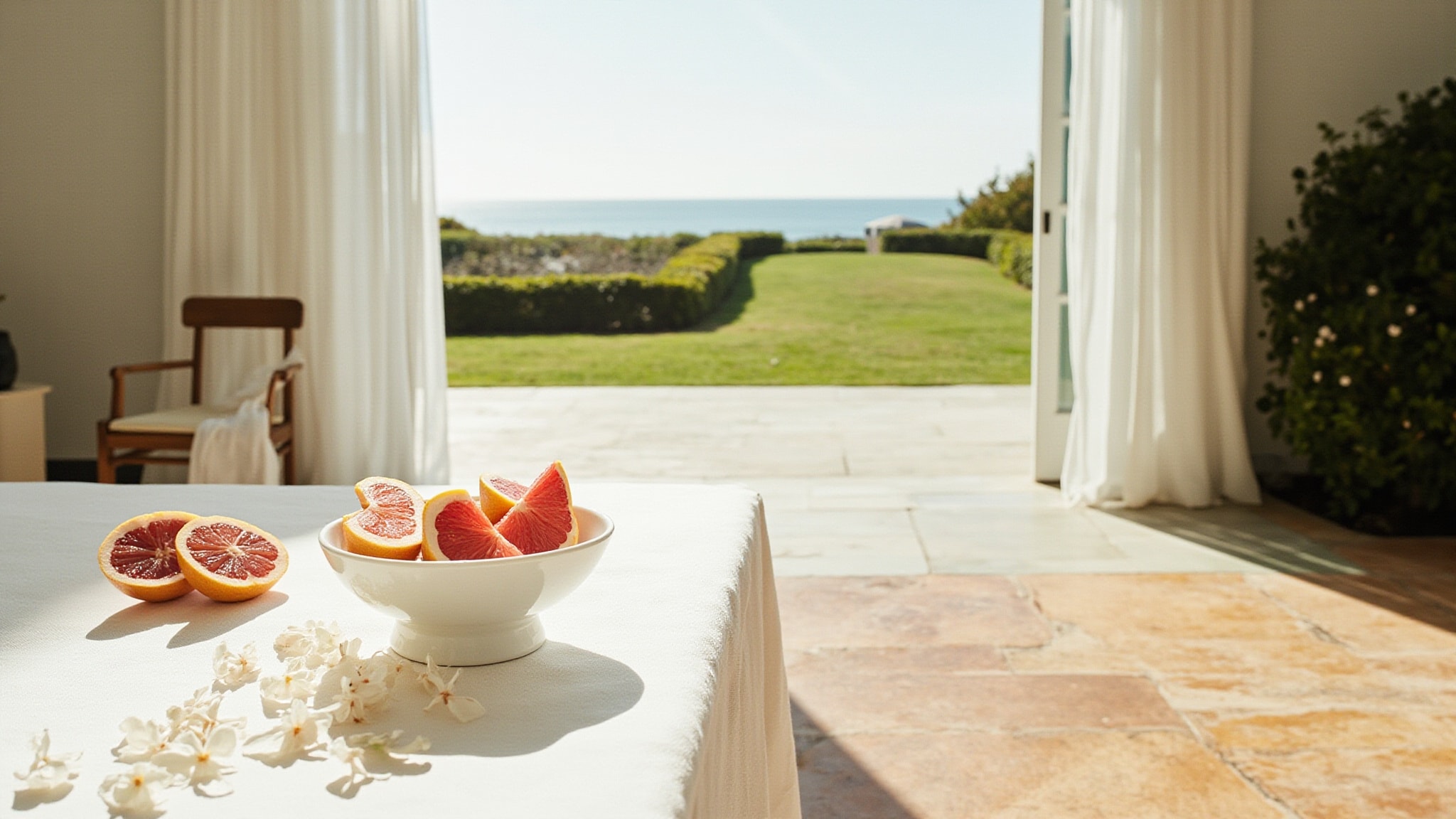
The first ten minutes are the brightest. Lotus and grapefruit arrive first, a clean snap, almost citrus-cold, then jasmine and gardenia bloom underneath, coating that opening in a milky-fresh sweetness. It smells like white flowers doused in cold water. The grapefruit burns off within the hour, and what replaces it is orange blossom and rose, joined by the heavier, almost waxy presence of tuberose. The heart is fuller, creamier, less green. This is the phase people tend to remember, because it sits for about two hours without much shifting. From hour three onward, the white musk starts pulling everything inward, and the sandalwood-amber base begins its quiet work. Vetiver and oakmoss surface last, dry and a little mossy, a garden smell rather than a perfume smell.
Cultural impact
Blue, released in 2005, found its audience among wearers who wanted a clean, floral signature without the sweetness of the era's heavier offerings. It became a quietly worn staple, the kind of scent someone revisits after years away and rediscovers as still-appropriate, still-wearable, still-grown-up. The composition's white-floral heart and water-cooled opening gave it a particular kind of staying power, one that relies on simplicity rather than spectacle. Two decades on, it remains a reference point for anyone seeking a soft, intimate floral that doesn't demand attention but rewards it.