The Story
Why it exists.
The beginning
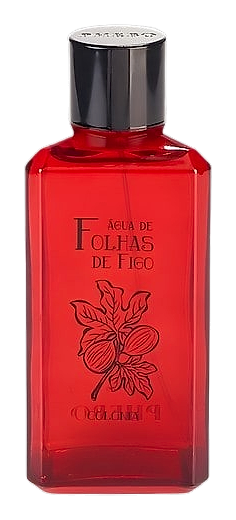
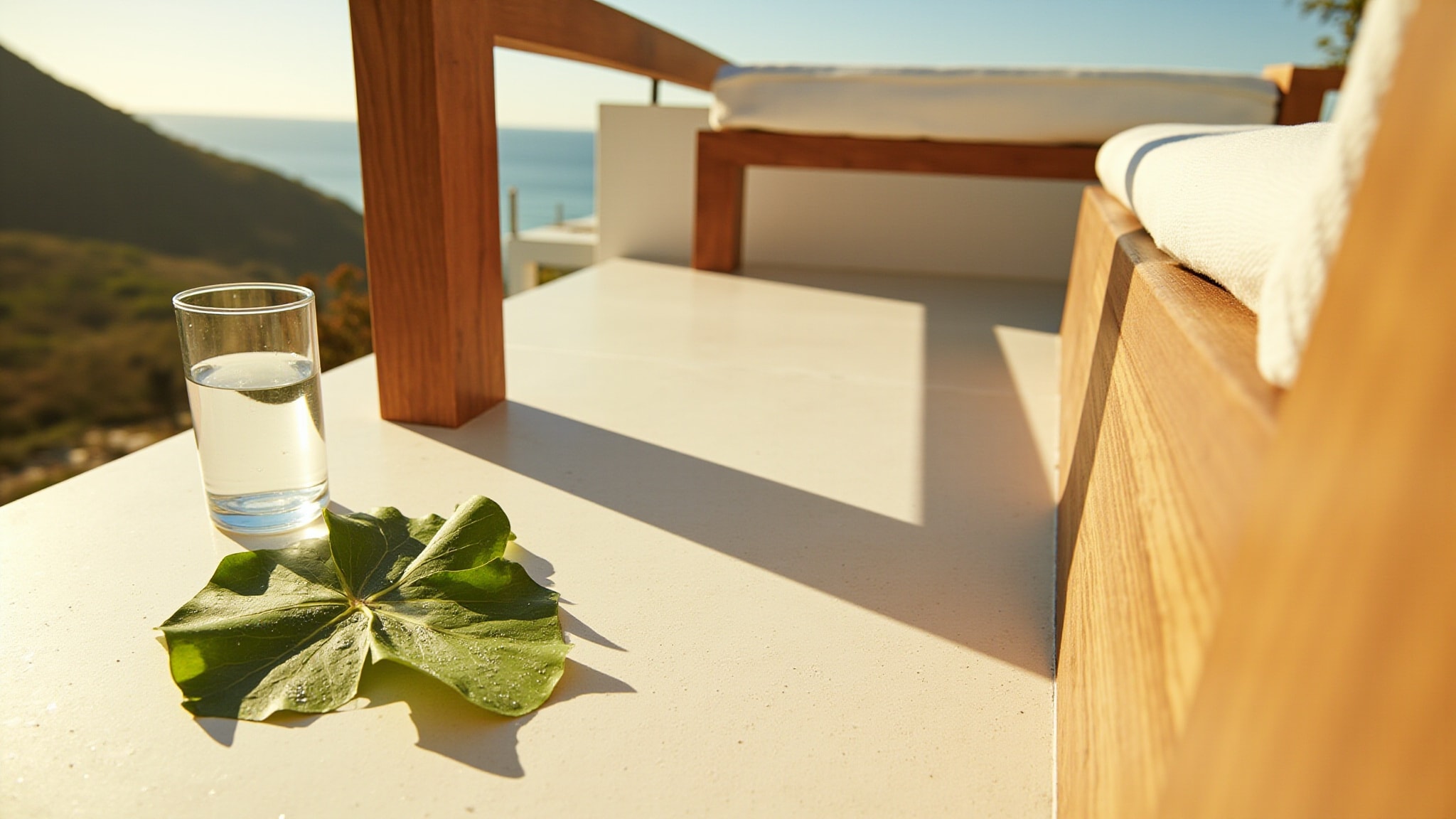
The name says everything: Água de Folhas de Figo. Water of fig leaves. Phebo took the green, slightly milky aroma of fig foliage, not the fruit, the leaves, and built a fragrance around it. The choice fits a Brazilian house that has spent decades translating local botanicals into wearable form. Launched in 2020 as part of the brand's expanded collection, this scent marks a departure from the tropical sweetness Phebo is known for, moving into a cooler, more aromatic register.
What makes this work is the cashmere wood. A modern aromatic material, it doesn't smell like wood in the traditional sense, more like a warm, slightly sweet fog that wraps around the fig leaf and keeps it from going too green or too sharp. Geranium adds a herbal lift, and the aquatic notes in the top prevent the composition from feeling heavy or dense. It's a careful balance: enough green to be interesting, enough softness to be wearable for hours.
The evolution
The opening arrives clean and watery. Aquatic notes with bergamot and mandarin orange create an immediate freshness, like morning in a greenhouse, dew still on the leaves. This phase lasts about 30 to 45 minutes before the fig leaf emerges, greener and more present, joined by geranium for a garden-fresh quality that lingers through the second hour. Cashmere wood softens the green as the heart develops, keeping everything close and intimate. By the third hour the drydown shifts. Patchouli and sandalwood arrive together, but it's the sandalwood that takes the lead, creamy, slightly sweet, warm without being heavy. Vetiver grounds the base, adding an earthy mineral quality that prevents the drydown from going too soft. The result is a woody-fresh finish that stays close to the skin but persists for several more hours. On fabric, the fragrance can still be detected the next morning. On skin, a trace of sandalwood and vetiver remains into the following day, not loud, but there.
Cultural impact
Released in 2020, Água de Folhas de Figo represents Phebo's expansion into Mediterranean-green territory. While the brand is rooted in Brazilian botanicals, the fig leaf and cashmere wood combination signals an intentional move toward a more global aromatic language. The fougère structure, green-fresh opening, herbal heart, woody base, is familiar in perfumery, but the specific fig leaf orientation gives it a distinctive character that differentiates it from both traditional fougères and lighter aquatics.