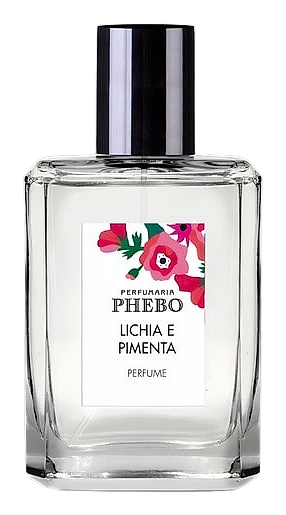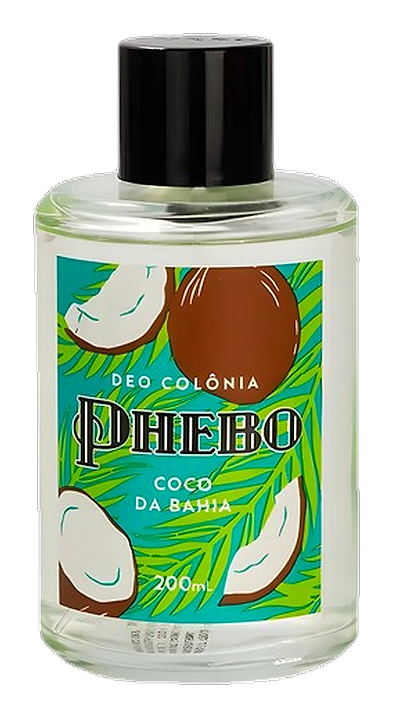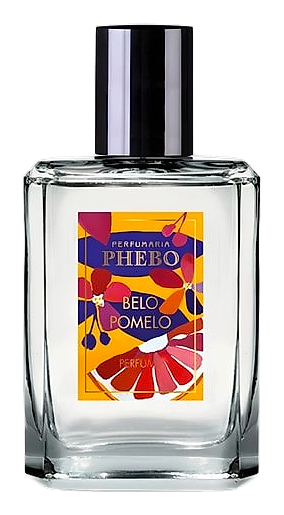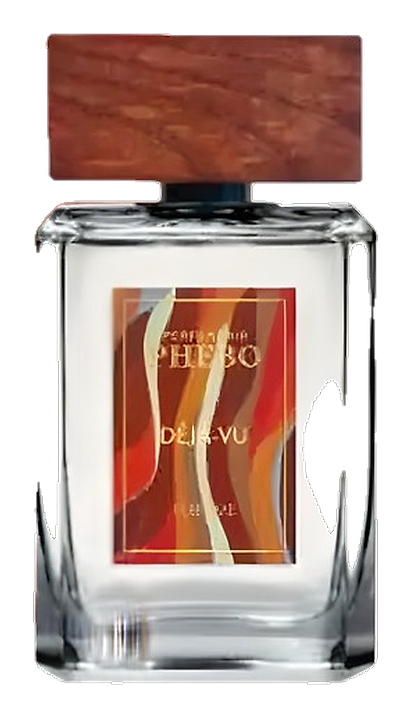

The Story
Why it exists.
The beginning
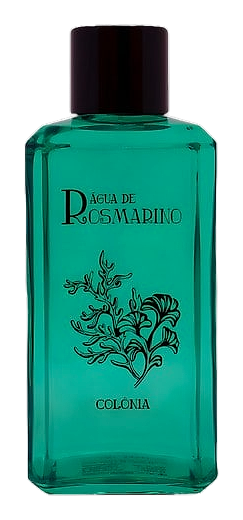
Água de Rosmarino arrived in 2018, crafted by perfumers Benjamin Belizon and Claudia Carolina. The name says everything: rosamarinho, rosemary water, a Provençal herb made into something wearable, daily, unpretentious. The fragrance centers on that bright, resinous green note, herbaceous and clean, with an aromatic quality that feels both familiar and elevated. It's a scent that leans into simplicity, letting the rosemary lead without embellishment. The composition keeps things light and accessible, designed for someone who wants fragrance to feel natural rather than performative. There's no heavy construction here, no layers of complexity trying to prove anything. Just the herb, presented clearly, made comfortable for everyday wear.
The structure is deceptively simple. Rosemary leads, and stays. Around it: Sicilian lemon for brightness, nutmeg for warmth, black pepper and cardamom for the kind of spice that announces itself without shouting. Then lavender and vetiver arrive to clean everything up, musk holding it close to skin. The trick isn't any single note, it's the way the herbal foundation never gets buried. The rosemary never disappears. Throughout the wear, it remains present, threading through the other elements and giving the composition its character.
The evolution
The opening hits sharp and green. Rosemary and lemon arrive together, citrus cutting through herb, the brightness immediate. For a while, this is all about that tension: cool versus warm, leaf versus zest. Then the spice enters quietly. Nutmeg and black pepper start to weave through the rosemary, softening it. The lemon fades, but the warmth stays. The heart opens as black pepper takes the lead, cardamom settling behind it with a faint sweetness. Lily appears, unexpected, a little soft, and it works precisely because nothing else is trying to be soft. The floral keeps the spice from getting too sharp. This middle phase is where the fragrance earns its character: warm without heaviness, herbal without austerity. The lavender arrives next, clean and grounded, with vetiver underneath holding everything in place. Musk whispers at the edges.
Cultural impact
Phebo occupies a distinct position in Brazilian perfumery, building from regional botanical resources and maintaining a consistent creative direction over time. Água de Rosmarino fits that approach, a fragrance that draws from Mediterranean herb traditions while staying grounded in the house's own perspective. It isn't positioned as a European aromatic water, but rather as something quieter: an interpretation of Provençal clarity through a Brazilian lens. The unisex aromatic profile appeals to wearers who want herb freshness without the typical masculine aquatic or fougère construction.
The House
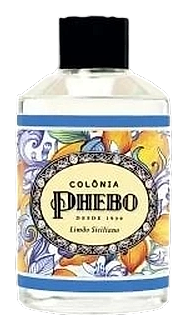
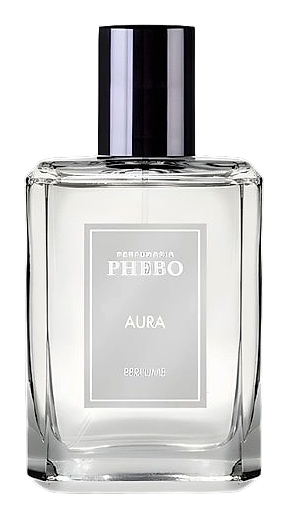
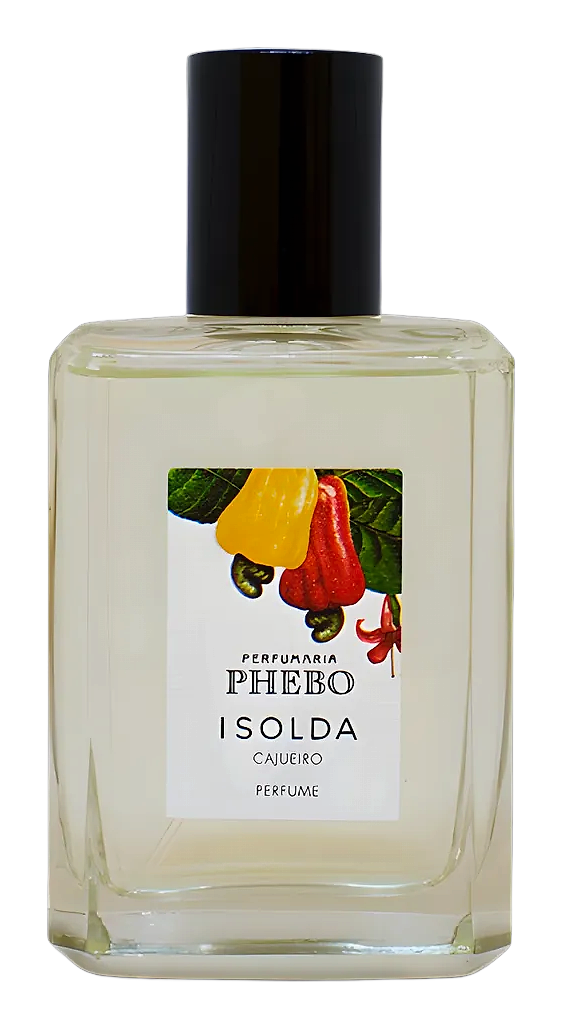
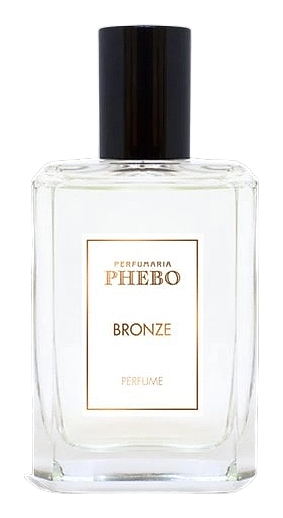
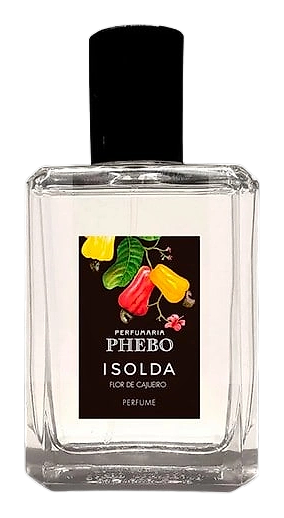
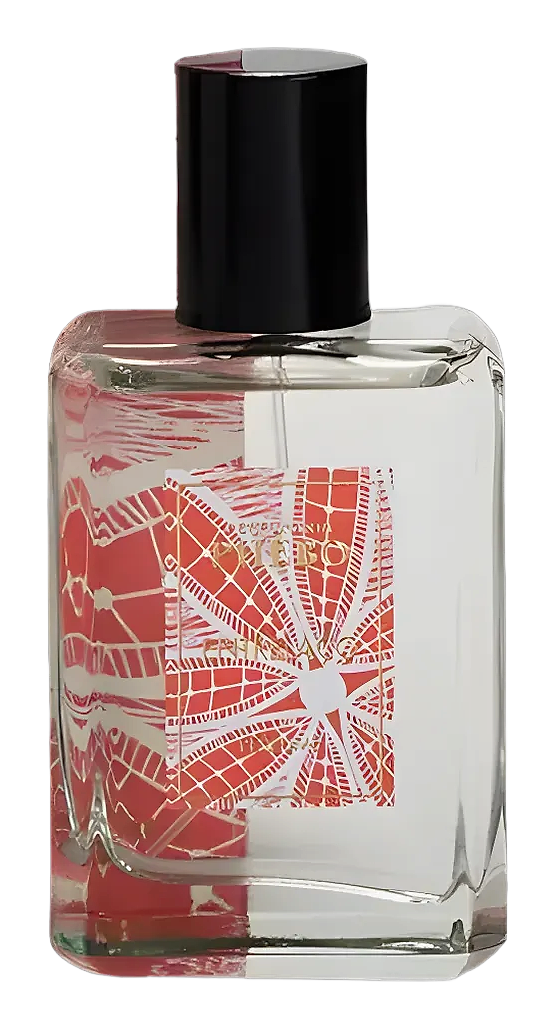
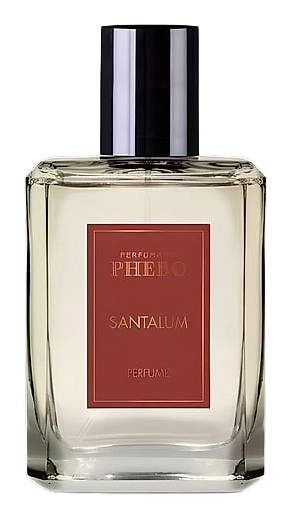
PheboPhebo is a Brazilian perfume house rooted in the Amazon city of Belém. Founded in 1930 by Portuguese cousins Antonio and Mario Santiago, the brand has built a catalogue that draws on the region’s rich botanical heritage. Its scents—such as Basílico Roxo (2026), Entrelaço (2025) and Isolda Cajueiro (2018)—mix native ingredients with classic French‑style structure, offering a bridge between South American flora and global perfumery trends. Today Phebo operates under the umbrella of Granado Pharmácias, preserving the original ethos while reaching a new generation of scent explorers.
The Creator
Benjamin Belizon & Claudia CarolinaBélizon's work spans woody-amber compositions and fruity-floral structures with notable consistency. He favors sandalwood as a grounding element, deploying it with precision rather than abundance.