The Story
Why it exists.
The beginning
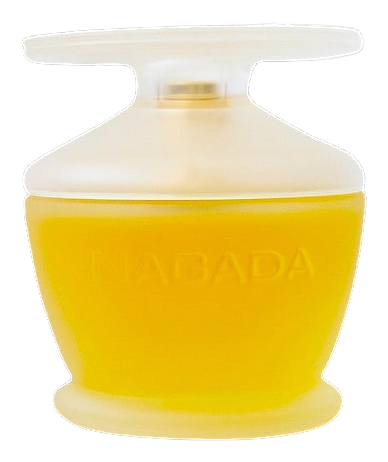
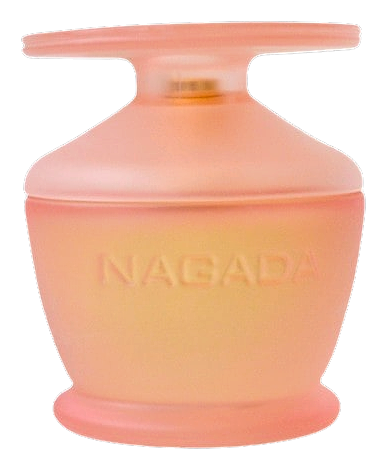
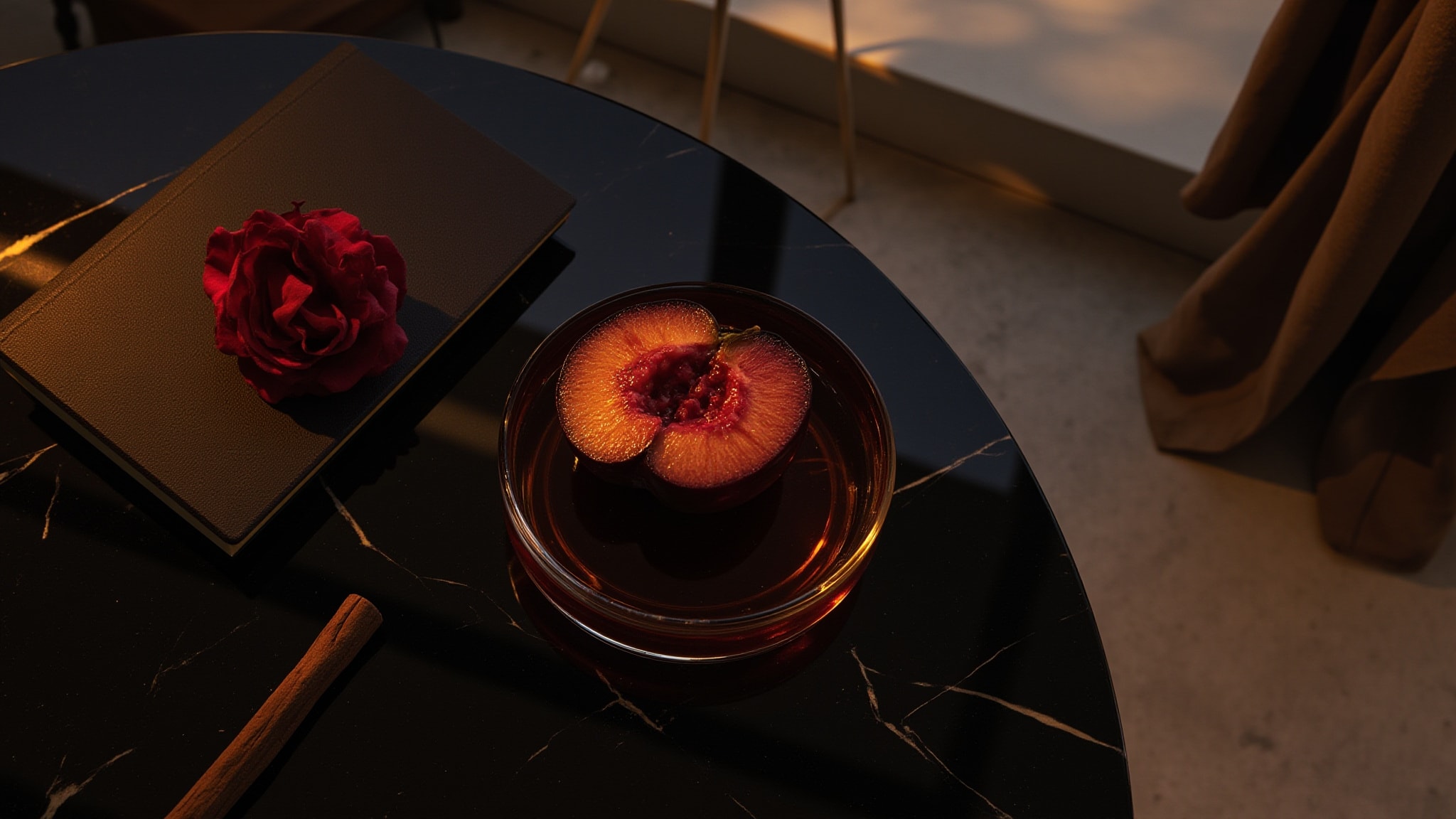
Rose de Nagada comes from Pascal Morabito, the French house whose approach to perfumery carries a clear artistic weight. The name Nagada hints at something ancient and ceremonial, and the composition lives up to that promise. The official description calls it a bewitching spicy oriental with narcotic notes, a voluptuous amber built on the roundness of vanilla, tobacco, and honeyed fruits. This is not a rose fragrance in the conventional sense. The rose sits at the center of the bouquet, yes, but it shares the stage with rum-soaked plum, dark tobacco leaf, and a resinous heart that pulls the whole thing toward incense and ember. The plum note in particular behaves almost like a preserved fruit left to steep in spirits, dense and dark rather than jammy.
The composition makes a deliberate choice to stack warmth on warmth. Rum, cinnamon, and plum open together, creating a boozy-spiced fruit effect that feels almost like a holiday dessert dropped into perfume form. The heart goes deeper with labdanum and tonka bean lending a heavy, smoky gravity to the tobacco and rose, preventing the sweetness from ever tipping into candy. Every note that could feel cloying is anchored by something drier, smokier, more resinous underneath, and the result is a scent that manages to feel rich without becoming suffocating.
The evolution
The opening hits with a dense burst of dark fruit and spiced rum, the plum note arriving macerated and almost sticky-sweet before cinnamon cuts through with a dry heat. Within minutes the warmth settles into something more cohesive, the boozy fruit softening as the tobacco begins to surface. The tobacco unfolds slow and leafy, not smoky but cured, giving the mid-stage a leathery, almost fermented quality. Rose threads through it with depth rather than a fresh petal feel, more like rose petal jam than anything dewy or green. Honey and labdanum add a resinous sweetness that thickens the composition, pulling it toward incense and ember. As the hours pass, the spices cool and the base notes come forward: benzoin and vanilla blur together into a resinous sweetness, patchouli hums underneath, and amber lifts the whole thing into a warm haze.
Cultural impact
Community wearers describe Rose de Nagada as sensual without being obvious, powdery without being old-fashioned, with a tobacco-vanilla drydown that feels closer to a velvet armchair than a nightclub. The fragrance has earned a following among those who prefer their orientals dense and slow-burning rather than airy or modern, and it carries a particular reputation for evolving dramatically on the skin over the course of a wear. Community voting on seasonal wear remains limited, with only a handful of recorded opinions, so any read on its ideal climate is necessarily tentative.