The Story
Why it exists.
The beginning
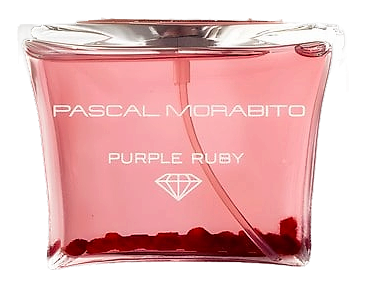
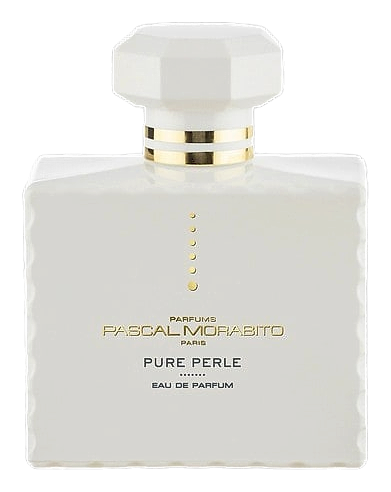
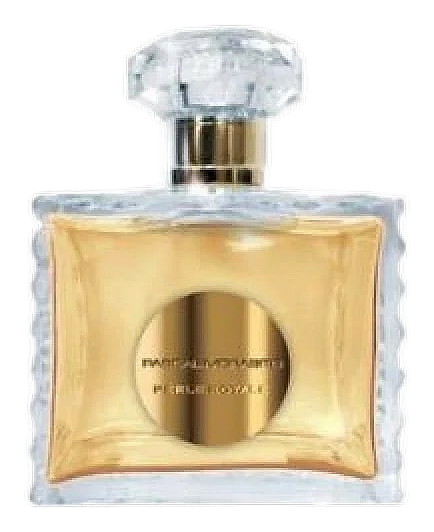
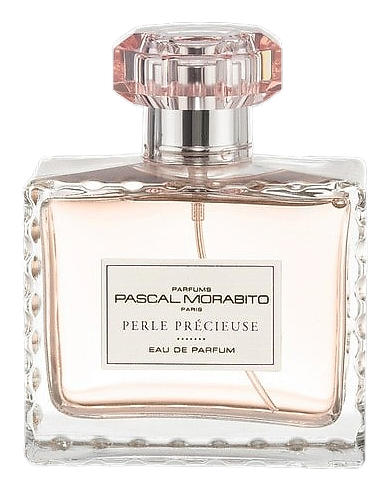
Pascal Morabito built his name as a French designer before he ever thought to bottle a scent, and the move from atelier to fragrance house felt like a natural translation of an instinct he had long practiced in other forms. Perle Précieuse, which translates roughly as Precious Pearl, was conceived as a fragrance that treated the bottle with the seriousness of a piece of fine jewelry, letting the presentation carry as much weight as what lived inside it. The juice itself leans into a delicate white-floral and fruity construction, the kind of soft, approachable blend that invites daily use rather than demanding attention.
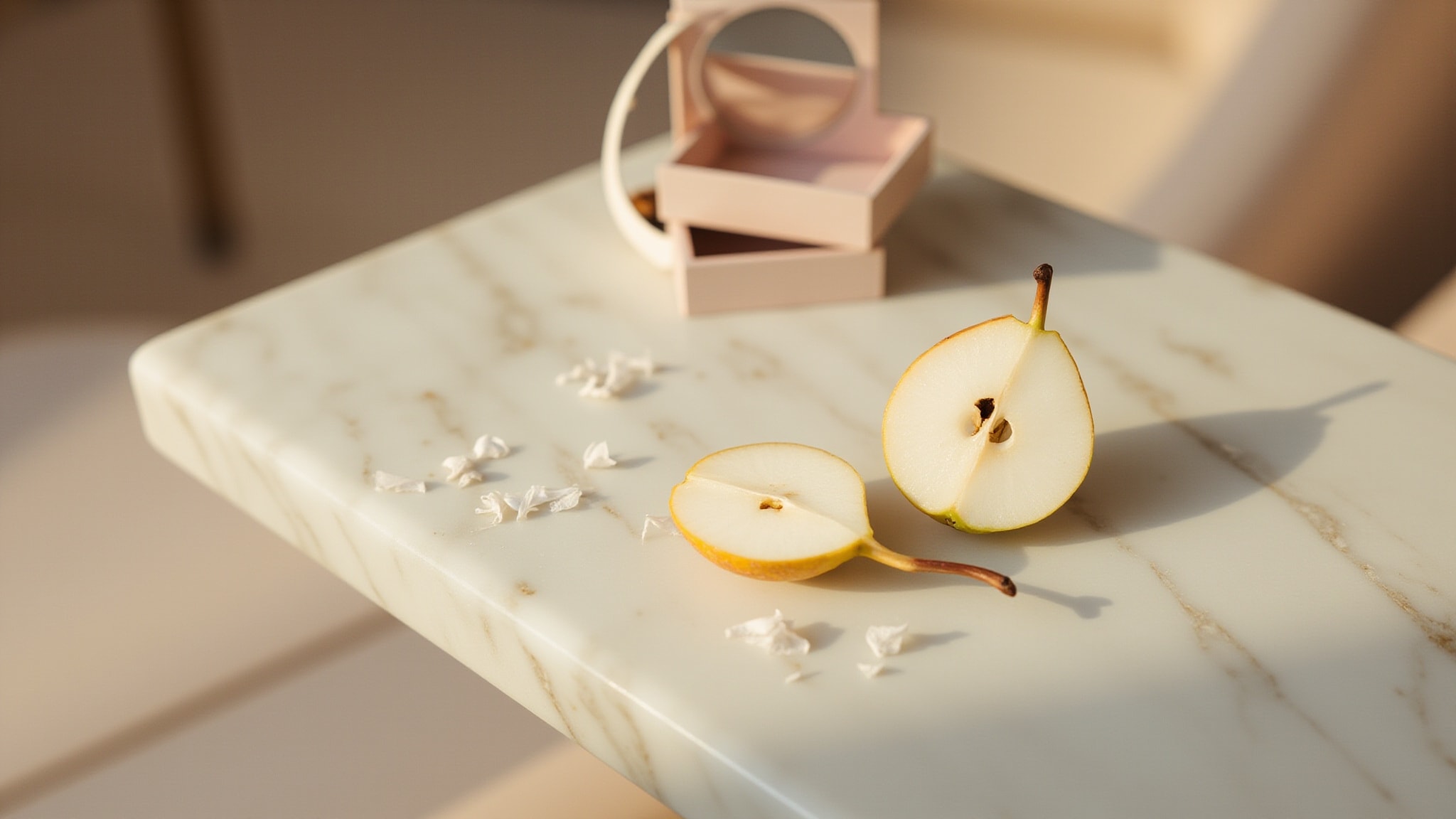
The rhubarb leaf was an unusual choice, and it gave Perle Précieuse a faintly bitter, almost herbal edge that separated it from the sugar-bomb crowd of fruity florals crowding the market at the time of its launch. Where many compositions in the genre relied on the rounded sweetness of peach, apple, or pear alone, the rhubarb brought a green, slightly sour tension that kept the fruity accord honest and awake.
The evolution
Perle Précieuse reads today as a snapshot of French perfumery from an era when designers moved between ateliers and fragrance houses as a matter of course, treating scent as one accessory among many in a complete lifestyle vision rather than the main event in itself. The core accord has remained remarkably constant across its lifetime, a pale composition that smells of orchard fruit, dew, and a thread of bitter greenery that gives the sweetness its necessary counterweight. On skin, the opening is a cheerful burst of mandarin, bright and almost candied, that announces the fragrance within the first minute of application before beginning to settle. The rhubarb leaf arrives quickly behind the citrus, lending that faintly bitter, almost herbal quality that defines the character of the juice and separates it from softer fruity florals.
Cultural impact
Perle Précieuse arrived in a perfume era crowded with big floral powerhouses, and it carved out space by refusing to compete on volume or projection. Where many releases of its moment leaned into bold, indolic white florals or heavy orientals, this composition made its case through restraint and quiet detail, a delicate fruity floral that asked to be discovered up close rather than announced across a room.
The House
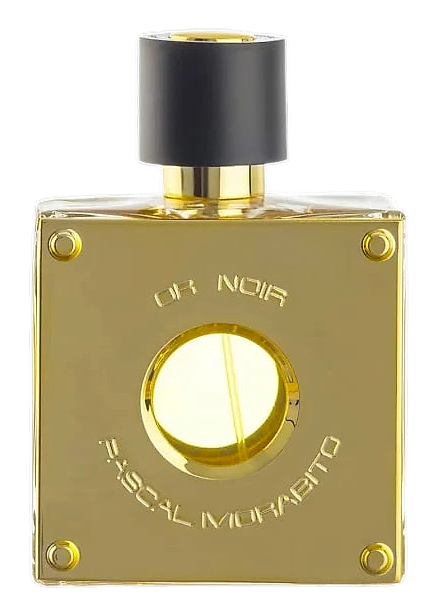
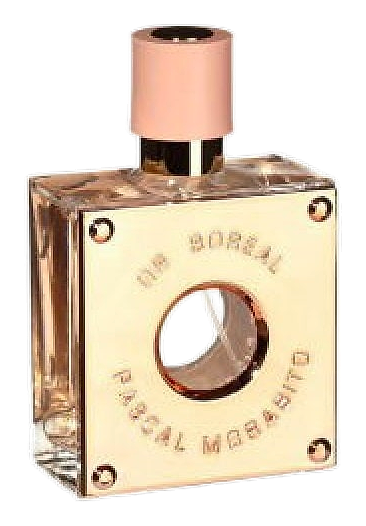
Pascal MorabitoPascal Morabito is a French‑based fragrance house that grew out of a family of Italian goldsmiths in Nice. The brand is best known for turning perfume into wearable art, beginning with the 1980 launch of Or Noir, which the founder describes as the first “jewelry perfume.” Over the decades the line has expanded to include masculine counterparts such as Or Black (1981), sport‑inspired scents like Racing Champion, and Mediterranean‑evoking blends such as Passion Mediterrannee Avec Amour (1997). Each fragrance is presented in a bottle that looks more like a piece of fine jewellery than a conventional container, reinforcing the house’s blend of scent and sculpture.
The Creator
Corinne CachenCorinne favors natural absolutes and transparent synthetics that mimic nature’s own chemistry. She often reaches for rose otto, jasmine absolute, and fine woods such as cedar and sandalwood, pairing them with soft musks that linger without cloying.