The Story
Why it exists.
The beginning
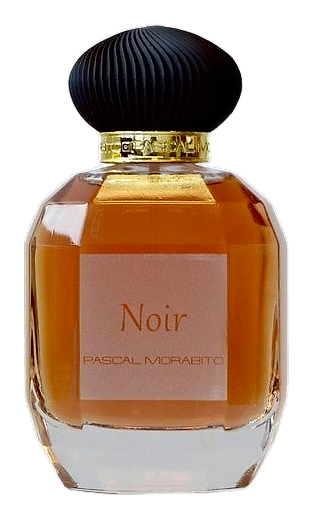
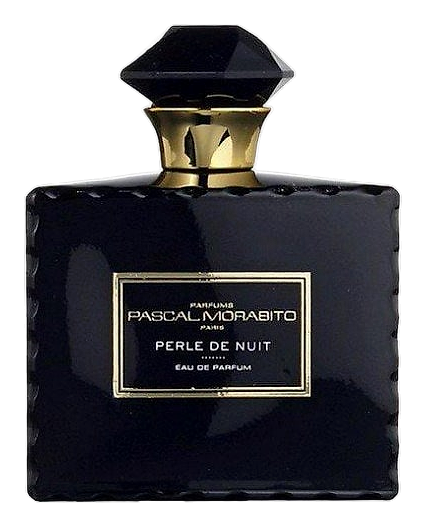
Perle de Nuit translates to Evening Pearl, and that name is the brief. Henri Bergia built this fragrance for the hours when daylight surrenders, when the fragrance you wear becomes the one that lingers in small rooms and close conversations. The structure moves from a bright rose-fruity opening toward something warmer and more intimate as the evening deepens.
The heart pairing of geranium and tonka bean is what sets this apart. Geranium brings a green, slightly medicinal quality that most rose compositions either avoid or bury. Here, it threads through the sweetness deliberately, creating a powdery warmth that doesn't simply arrive at vanilla but earns its arrival through something unexpected. The amber-vanilla-patchouli base then settles it all into evening.
The evolution
The opening reads as dewy rose with a just-plucked quality from the fruit notes. Bright. Uncomplicated. Then geranium arrives quietly, shifting the trajectory with its green, slightly medicinal thread. It cuts through the sweetness in a way that surprises. The tonka bean follows, bringing a powdery, amaretto-like warmth that deepens the floral into something richer, more complex. By the time the base arrives, the composition has softened into a warm amber-vanilla foundation, with patchouli's earthy, slightly bitter edge grounding the sweetness. This is the stage that stays. Close to the skin for hours afterward. The one people notice when you've already left the room.
Cultural impact
Perle de Nuit occupies a particular space in the Pascal Morabito line: the evening option, the one built for proximity rather than presence. The geranium-tonka pairing creates a powdery warmth that divides opinion in the best way. Wearers either find it unexpectedly addictive or too quietly composed for their taste. What no one disputes is that it smells expensive.