The Story
Why it exists.
The beginning
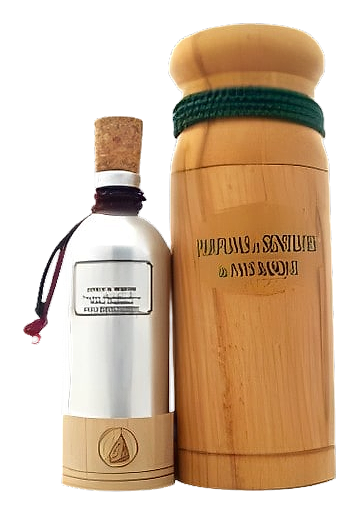
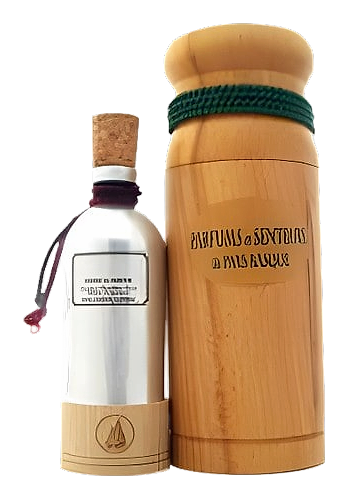
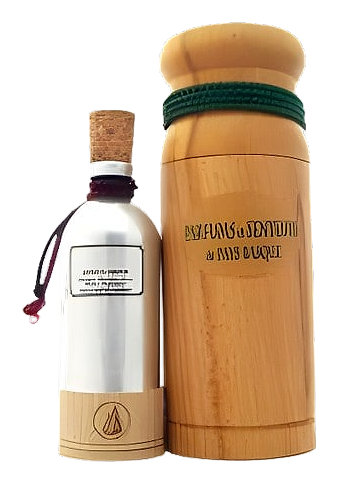
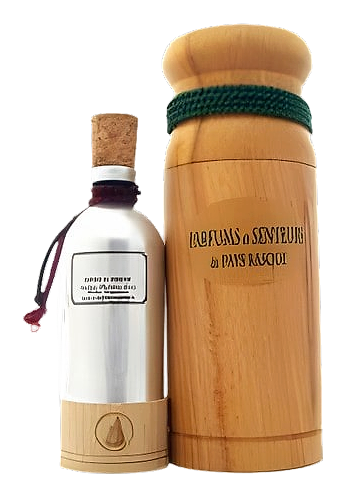
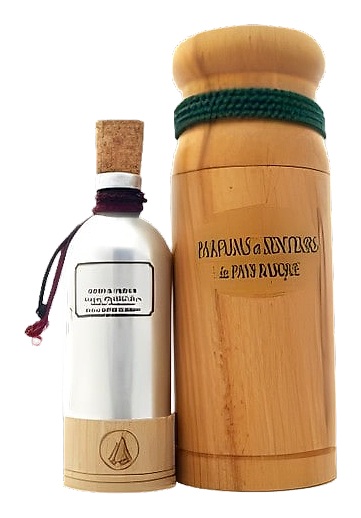
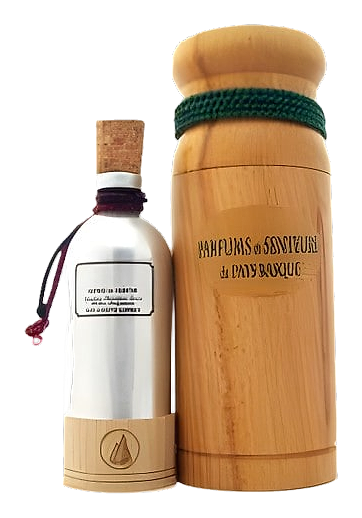
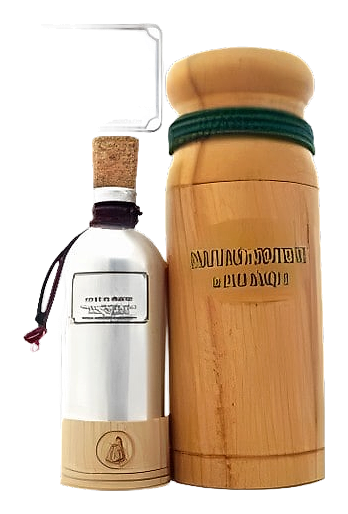
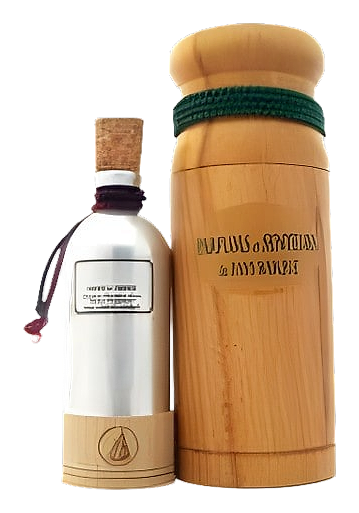
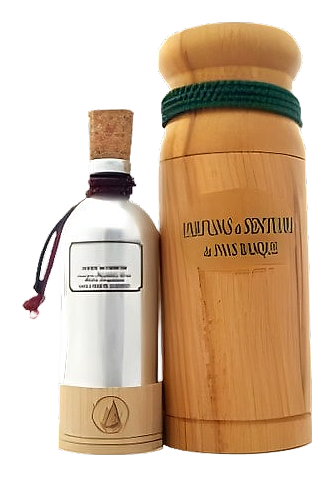
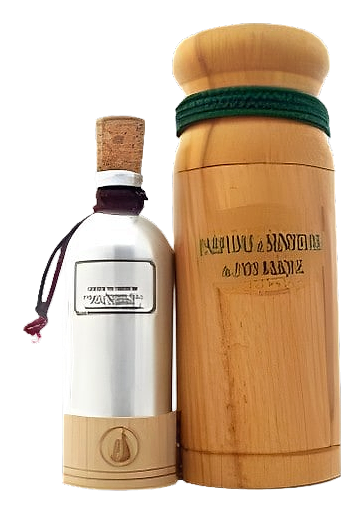
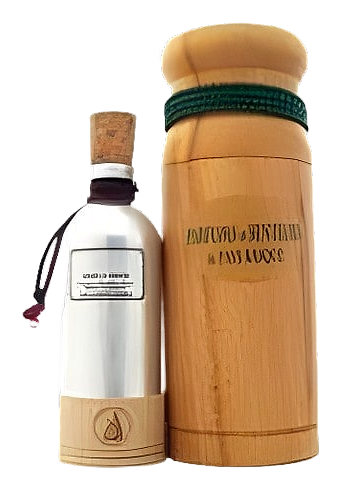
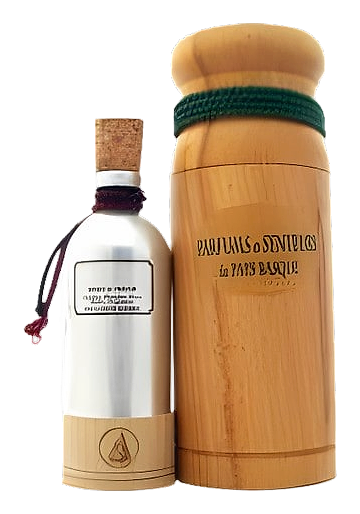
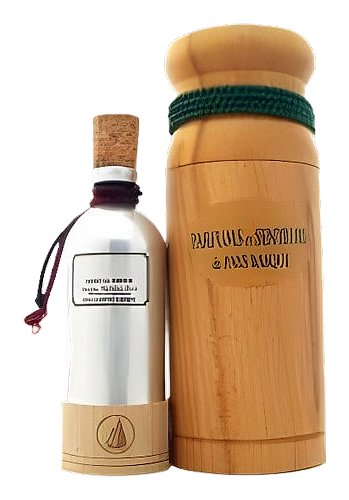
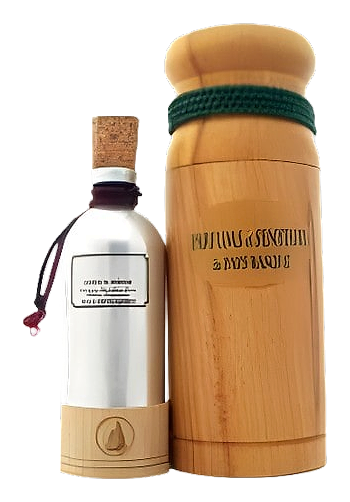
Magdalena was created by Christian Louis and launched in 2009. Its composition begins with Damascus rose and red berries from the lake of Tiberias, framed by violet leaves and iris rhizomes. That polished floral entrance meets two contrasting myrrhs, Lebanese and Arabian, joined by saffron notes of oliban. The result feels composed, but not tame. Christian Louis, whose fragrance practice is rooted in the French Basque Country, builds the scent around a clear tension between cultivated rose and damp, living earth.
The unusual part is the handoff from cultivated beauty to untamed ground. Iris root gives the opening a powdery, almost suede-like texture, while red berries add a tart pulse beneath the rose. Oliban and the two myrrhs make the heart resinous rather than simply smoky. Below them, chanterelle shifts toward cep, humus brings forest floor, and patchouli, roots, vetiver, and woody notes keep the composition grounded. Floral and woody aren't neighbors here. They share the same coat.
The evolution
Magdalena begins with an airy floral signature: rose, iris, berries, and green violet leaves. The fruit is bright, but the iris gives it a cool, powdery edge. As the opening softens, frankincense, oliban, and both myrrhs take over. The heart feels resinous and meditative, with a saffron-like lift sharpening the smoke and making the rose less sugary. The scent then moves decisively downward into the forest floor. Chanterelle gives way to a deeper cep impression, joined by humus, patchouli, roots, and vetiver. By the drydown, the floral opening has become earthy and woody, with moderate sillage and a quietly persistent presence. What lingers is the contrast: a trace of rose over damp wood and muddy roots, darkened by memory. It settles close, intimate, and enduring.
Cultural impact
Magdalena sits within the house's regional, story-driven register, pairing cultivated floral materials with resin, earth, and woodland references. It reflects the brand's stated philosophy that fragrance can carry narrative weight, making scent feel tied to remembered places and sensory atmospheres rather than presented as a standalone object.
The House
Parfums et Senteurs du Pays BasqueChristian Louis built a fragrance house rooted in two contrasting worlds: the sophistication of Paris and the rugged beauty of the French Basque Country. Operating workshops and boutiques in Espelette, La Bastide Clairence, and Bayonne, alongside a shop on the Place des Vosges in Paris, the house draws on the landscapes, traditions, and sensory memory of southwestern France. The collection spans masculine and feminine fragrances, unified by a narrative approach to scent. Each perfume takes its inspiration from Basque culture, literature, or the landscape itself, from the spice of traditional pain d_epices to literary characters rendered in olfactory form.
The Creator
Christian LouisThe Louis signature leans toward intensity and staying power. He demonstrates particular skill with modern amber molecules, especially ambroxan, which he incorporates to add depth and a subtle mineral warmth that lingers close to the skin.