
The Story
Why it exists.
The beginning
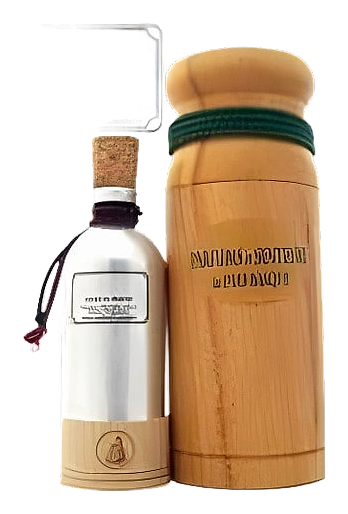
Bleu Magador arrived in 2008 from Christian Louis, the perfumer behind Parfums et Senteurs du Pays Basque. No origin story for the name itself, just the fragrance, built from rose, osmanthus, patchouli, and spice. That's enough. Sometimes a fragrance doesn't need a story beyond what it does: take something delicate and anchor it to something deeper. Rose and patchouli shouldn't work together, on paper. But in Bleu Magador they do. Delicate on top. Grounded at the base. The story is the notes themselves.
Osmanthus is the surprise here. That stone-fruit sweetness, apricot, almost jam-like, adds warmth without sweetness overload. It doesn't overpower the rose. It wraps around it, creating a quiet, haunting sweetness that lingers beneath the surface. Then patchouli arrives and does what patchouli does: grounds everything, adds earth, turns floral into something with weight. The spicy base isn't a dramatic shift, it's an extension of what came before, a warmth that lingers close to skin. This is a fragrance that knows what it wants to be and doesn't apologize for it.
The evolution
Rose opens first. Bright. Clear. Not the aggressive kind, this rose feels almost translucent, like the air after rain in a garden you can't quite see. Then osmanthus arrives, bringing that stone-fruit sweetness that shouldn't work with rose but does. Patchouli takes over the middle ground, earthy and grounded, slowing everything down. The transition isn't dramatic, the spicy note simply extends the warmth rather than replacing it. Patchouli stays close to skin as the drydown arrives, the spice lingering in a quiet way. On skin, the rose settles into a soft whisper while patchouli remains present and grounded beneath.
Cultural impact
Bleu Magador emerged in 2008 as a rose-patchouli composition from Parfums et Senteurs du Pays Basque. The fragrance offers an artisanal take on rose and patchouli, treating these classic notes with a distinctive regional perspective. Rather than positioning patchouli as a countercultural symbol, the composition approaches it as a sophisticated aromatic material woven into a broader olfactory tapestry. Christian Louis built the composition around rose, osmanthus, patchouli, and spice, creating a fragrance that balances delicate florals with grounded earthy notes.