
Heritage
A house, in its own words
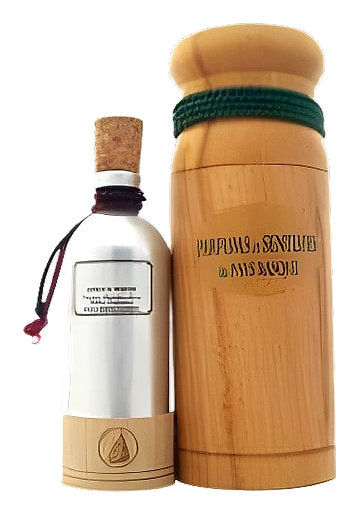
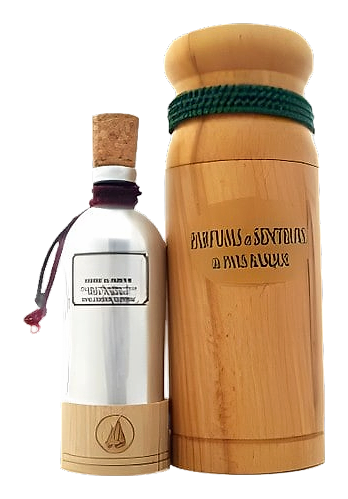
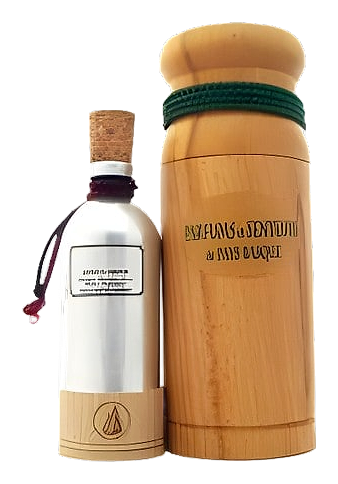
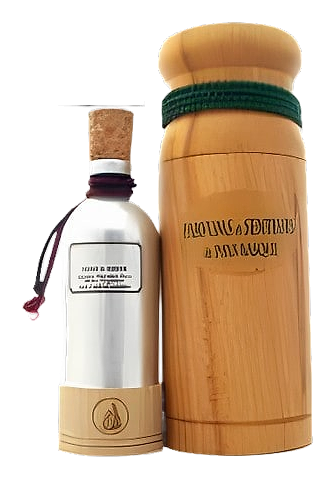
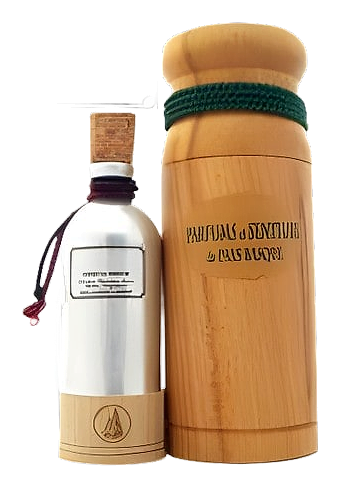
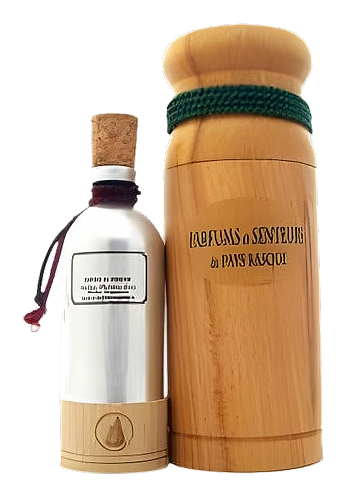
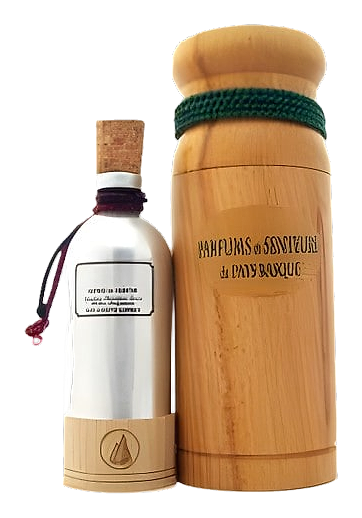
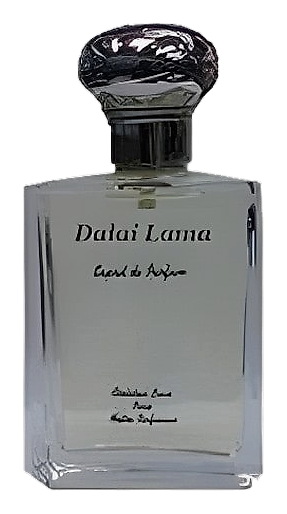
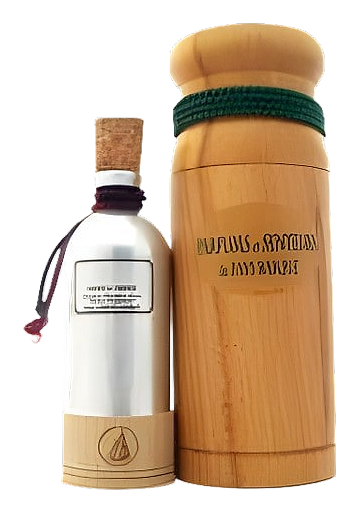
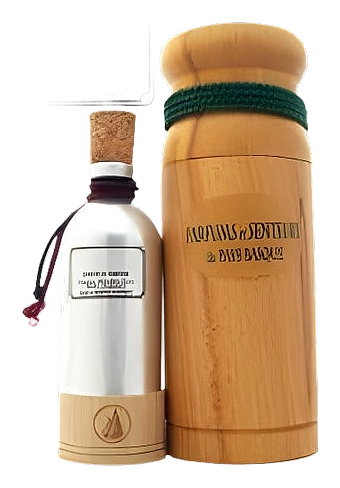
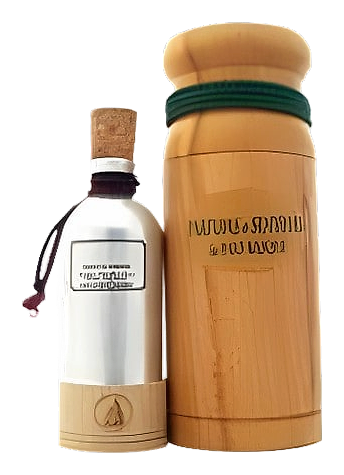
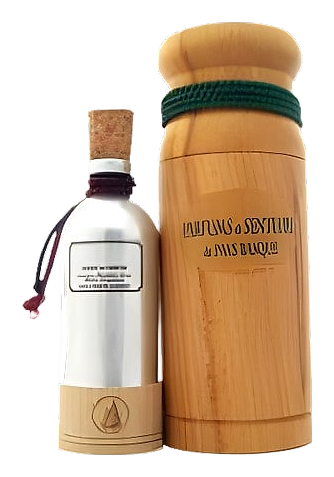
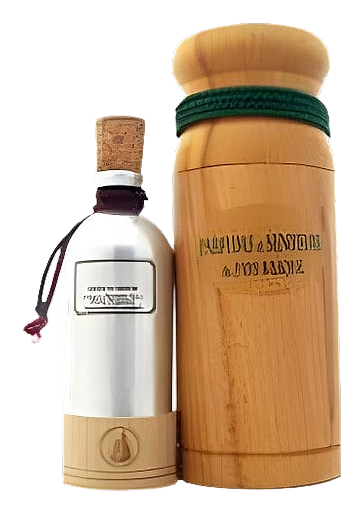
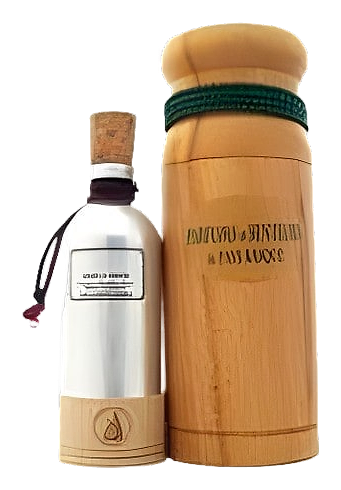
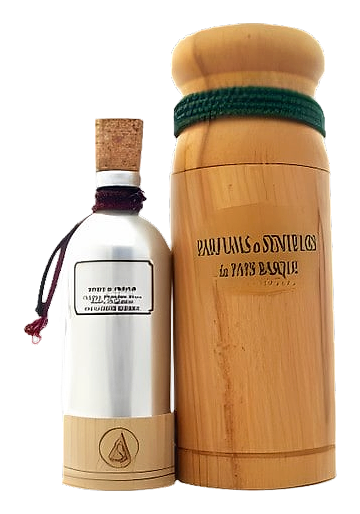
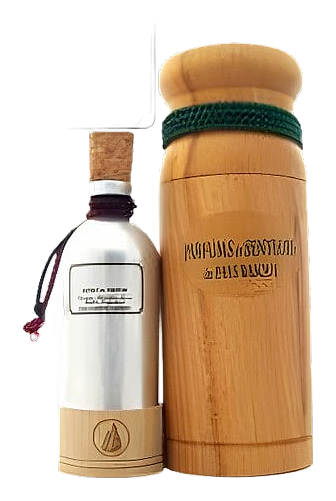
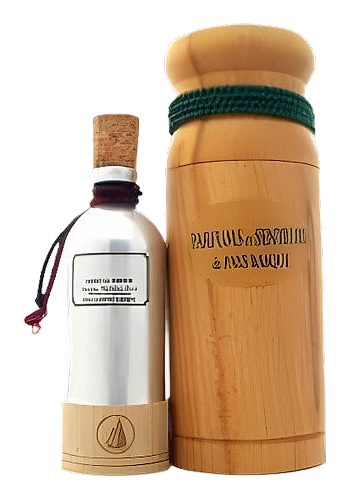
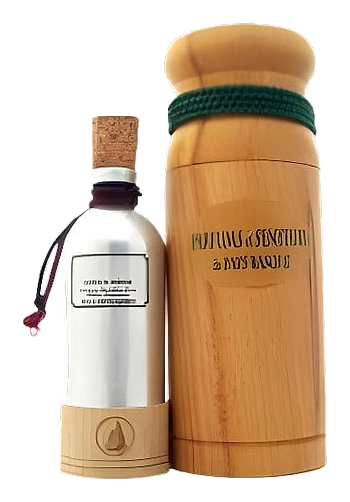
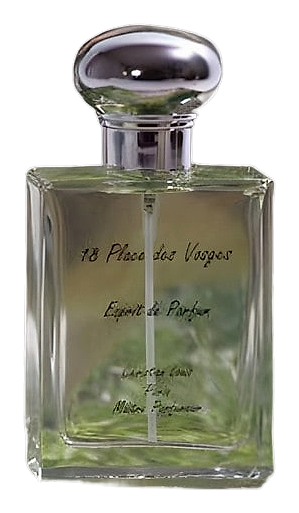
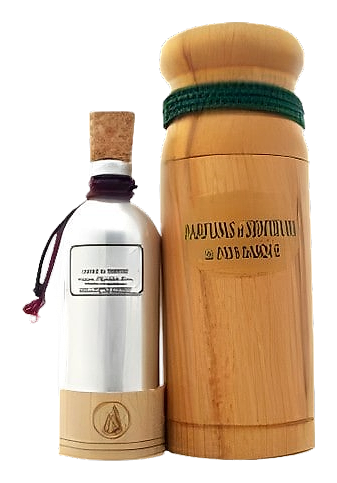
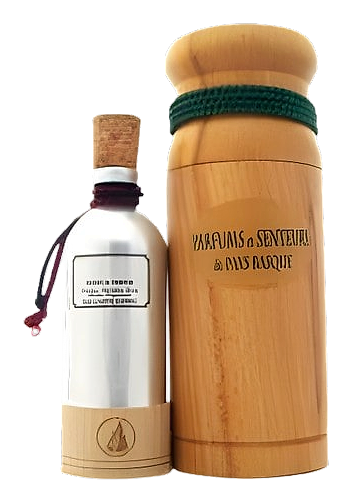
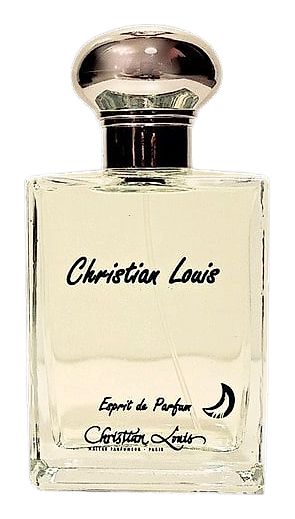
The House of Parfums et Senteurs du Pays Basque emerged from Christian Louis, a French perfumer who chose to anchor his creative practice in the Basque Country rather than the traditional perfume capitals. Rather than building in Grasse or Paris, Louis established his principal workshop in Espelette, a village renowned for its piments and its deep ties to Basque agricultural tradition. A second atelier followed in La Bastide Clairence, a historic listed village known for its artisans and producers. The house maintains a retail presence in Bayonne, the principal city of the French Basque Country, where the storefront has attracted local customers and visitors seeking what TripAdvisor reviewers describe as the local interpretation of Basque fragrance. The Paris shop on the Place des Vosges extends the house reach to a capital audience. Louis positions himself as both perfumer and designer, a dual role that reflects the houses insistence on controlling every aspect from formulation to presentation. While the house does not broadcast an official founding year in its public materials, fragrance release dates in the catalog begin appearing from 2002 onward, suggesting the house was established in the early 2000s with a deliberate strategy of regional identity before national exposure. Christian Louis works from a conviction that scent carries narrative weight. His perfumes are named for stories, places, and characters rather than abstract olfactory concepts. Le Parfum de Jean-Baptiste Grenouille, named for Patrick Suskinds literary protagonist, translates a fictional figures extraordinary sensitivity to smell into a composition. Douce France celebrates a particular idea of Frenchness through its title. Un Jour a St-Jean-de-Luz recreates a single day in the coastal town beloved by French royalty. This approach treats each fragrance as a brief story rather than a product category. The Basque Country provides the philosophical anchor. The regions position between France and Spain, its mountain and coastal geography, its culinary traditions built on piperade, chevre, and Espelette peppers all feed into the houses creative vocabulary. Louis reportedly treats Basque sensory culture as a living archive, translating flavors into accords and landscape into atmosphere rather than borrowing surface imagery. The house philosophy rejects the international neutral style in favor of regional specificity, arguing that authentic terroir produces more memorable scent than global formulas.