The Story
Why it exists.
The beginning
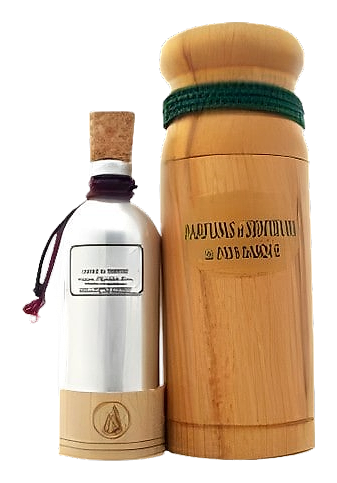
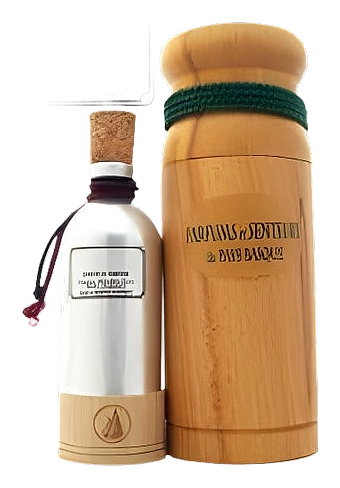
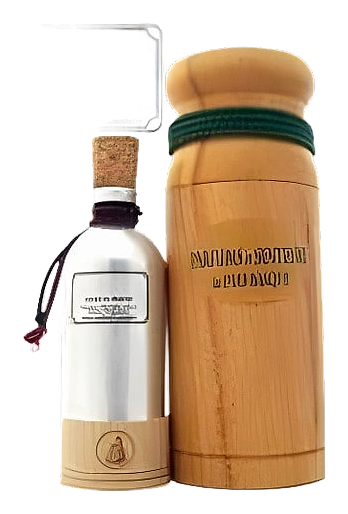
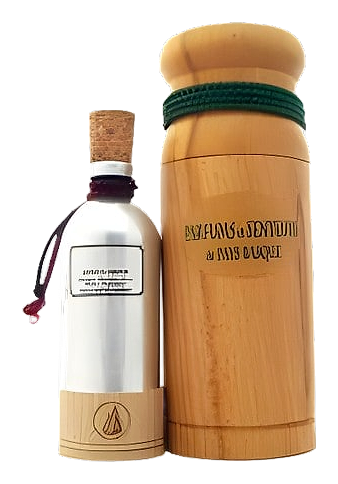
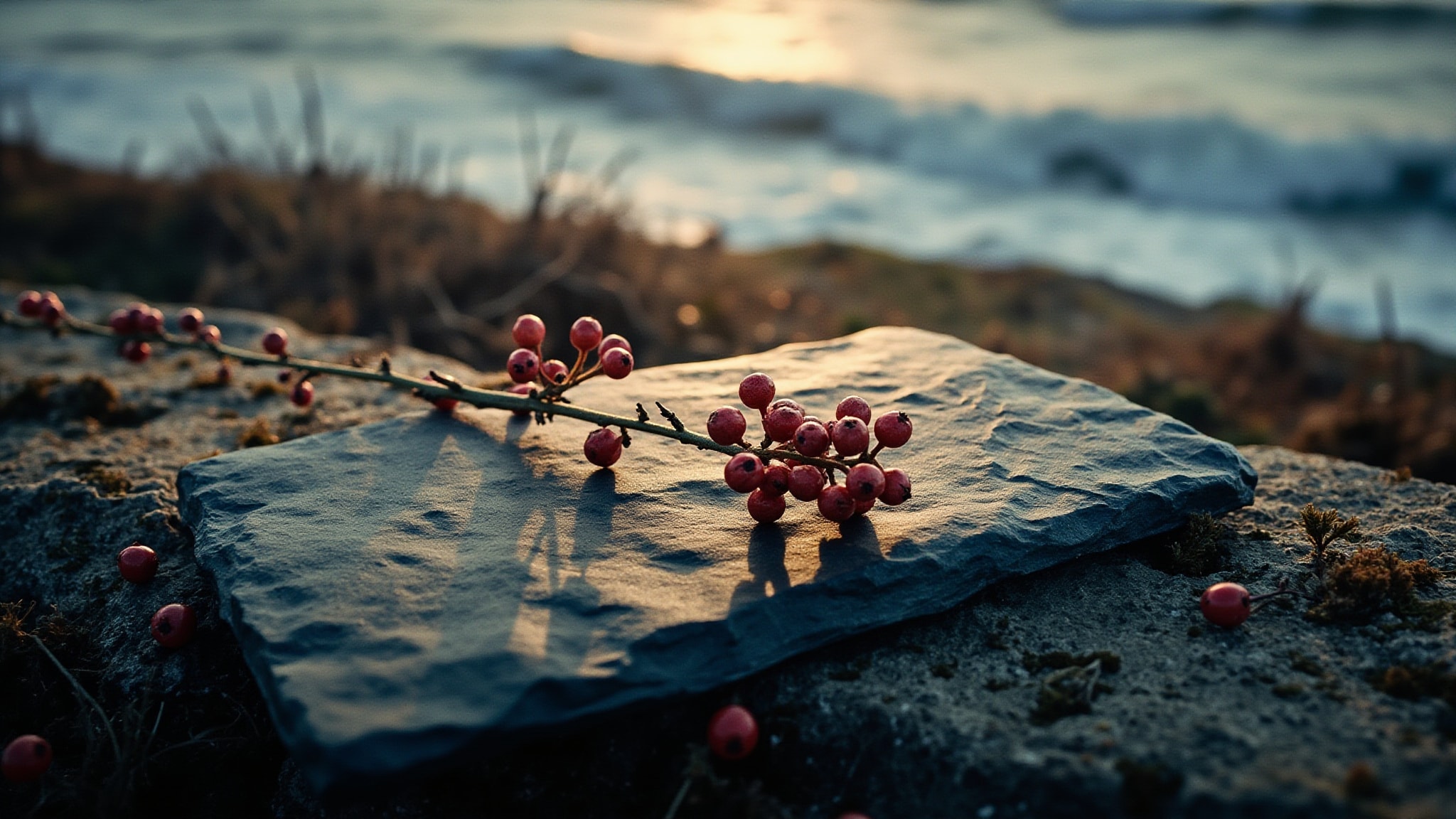
Christian Louis built Eaux d'Euskadi around a specific kind of greenness, the kind that exists where the Pyrenees meet the Atlantic. Basque country produces this particular air: herbal, bracing, cut with sea salt and the cold that rolls off the water. Hyacinth, juniper, hawthorn, rose hip, these are the aromatics of that landscape. Not sweet florals. Not soft woods. A green that bites back. The fragrance translates the collision of climates into scent: cool Atlantic breath against hillside botanicals. Rose hip's tartness, hawthorn's fleeting green, juniper's medicinal clarity, Louis used them to say something about place. Eaux d'Euskadi is the Basque country before you name it.
What makes this composition unusual is the top note count, four ingredients competing for attention in the opening, yet the result reads as one clear idea. That's the trick: hyacinth provides the floral weight, rose hip the tart berry snap, hawthorn the green stem, juniper the bracing cool. Together they create an intensely aromatic opening that feels botanical rather than constructed. The heart of green tea is the structural pivot, clean, slightly bitter, meditative. It bridges the aggressive green opening and the warmer citrus-grapefruit note without adding sweetness. Then the pepper base does something unexpected: it extends the freshness rather than replacing it.
The evolution
The opening hits green and immediate, hyacinth cutting through juniper, rose hip adding a sharp fruitiness that feels wild rather than cultivated. For the first twenty minutes, this is all freshness and slight astringency. Then the citrus arrives: grapefruit providing bitter-sweet lift, lemon reinforcing the clean transparency. The green tea heart settles in around the forty-minute mark, slowing everything down into a cooler register. The fragrance becomes less about the initial botanical assault and more about a sustained clarity. As the heart fades, pink and black pepper emerge, not as a warm base but as a dry, aromatic continuation. The green never fully disappears. Even six hours in, there's something of that original freshness lingering beneath the pepper. The drydown reads as clean skin and faint spice, not the typical vanilla or amber settling.
Cultural impact
Eaux d'Euskadi emerged from a region where perfume traditions run deep but commercial fragrance production remained rare. Its 2006 launch by Christian Louis, working from Basque Country workshops rather than established perfume capitals, challenged industry geography. The composition reflects Basque cultural identity through native botanicals, juniper, hawthorn, and rose hip from Atlantic-facing hedgerows, positioning terroir as perfume material rather than mere marketing. The aldehydic-green structure arrived during a niche fragrance revival that prized regional specificity over generic luxury.