Roots
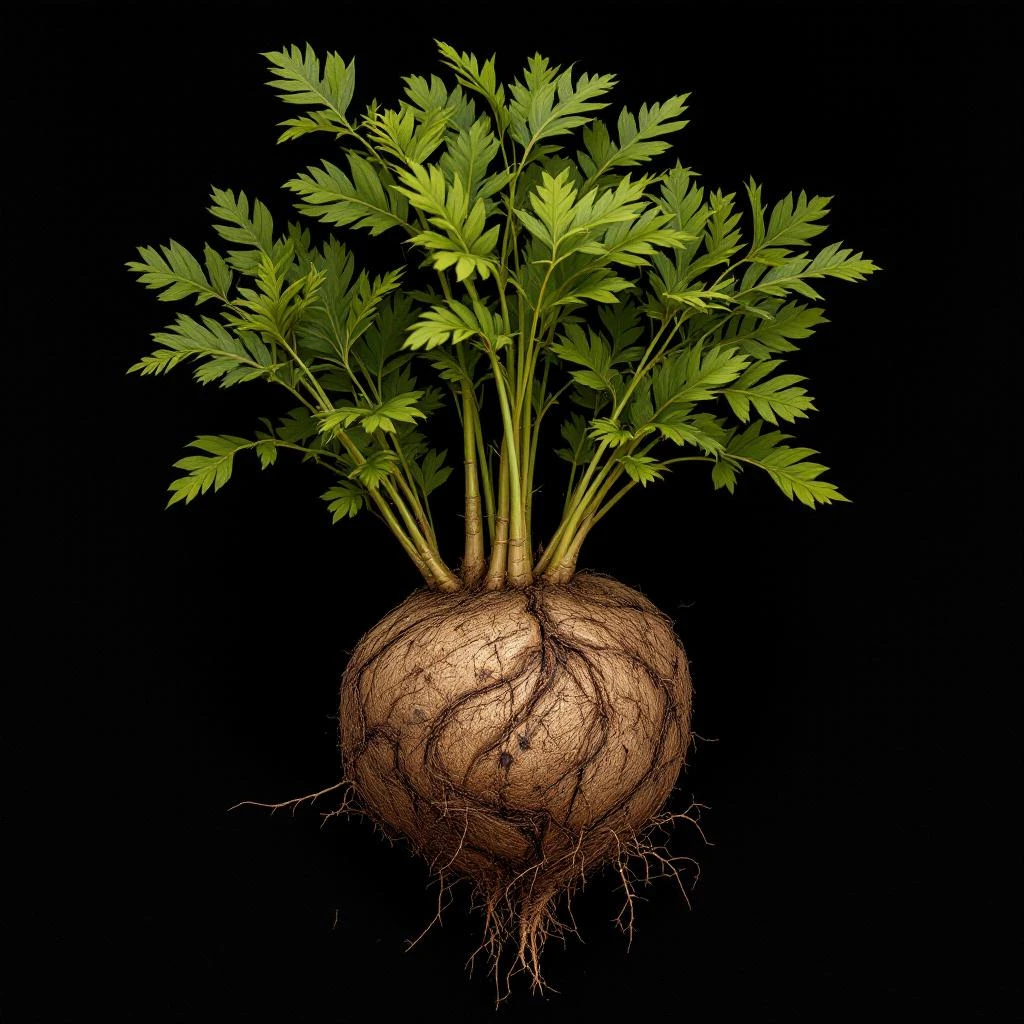
Root extracts anchor a fragrance, delivering earthy depth, mineral clarity, and lingering warmth that grounds the composition. From vetiver’s smoky grass roots to orris’s powdery iris rhizomes, these ingredients add a solid foundation that persists long after the top notes fade.
Character
How it smells
Earth’s pulse captured in scent, grounding every perfume.
The orris root used in classic perfumes requires up to five years of aging after extraction before it releases its signature violet‑like aroma, turning a raw rhizome into a prized perfume material.






Origin
India
Root aromatics have anchored human scent practices for millennia. Ancient Egyptian tombs contain residues of vetiver, indicating its use in embalming rituals as early as 1500 BC. In Persia, powdered orris rhizome flavored royal perfumes and was prized for its ability to soften harsh notes.
Chinese texts from the Han dynasty describe ginger root incense burned to cleanse temples and promote health. The 19th century saw the first commercial distillation of vetiver oil in French colonies, expanding its availability to European ateliers. By the early 1900s, orris absolute entered haute couture fragrances, adding a refined, powdery backbone.
Modern perfumery still respects these traditions, pairing centuries‑old extraction methods with contemporary technology to keep root notes vital in today’s scent palettes.
Wears it best
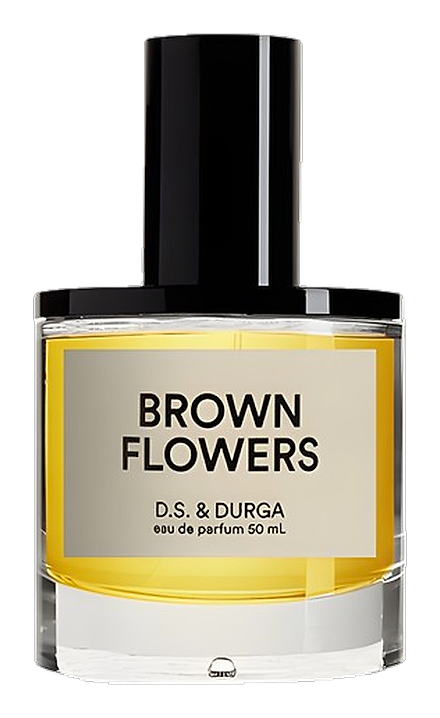
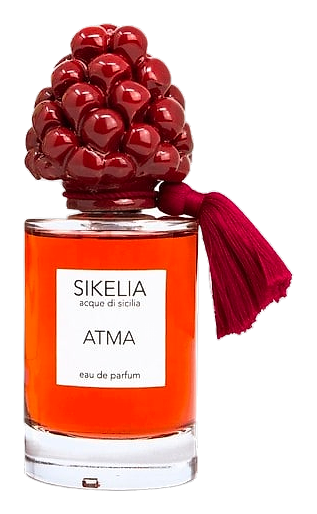
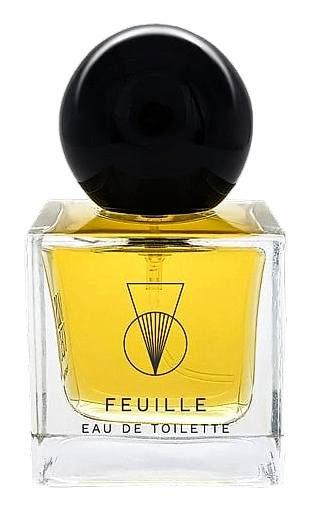
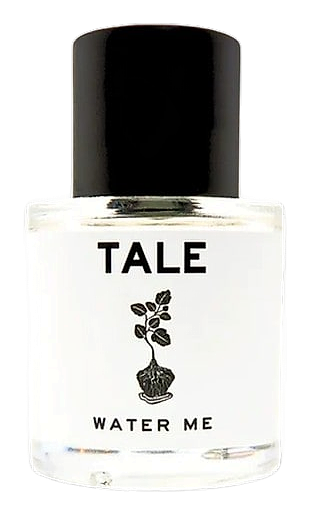
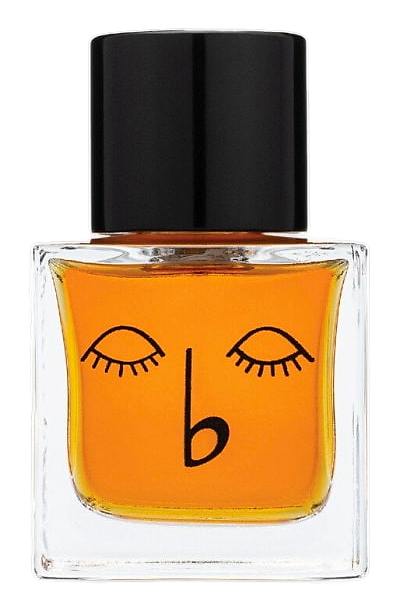
Fragrances featuring Roots
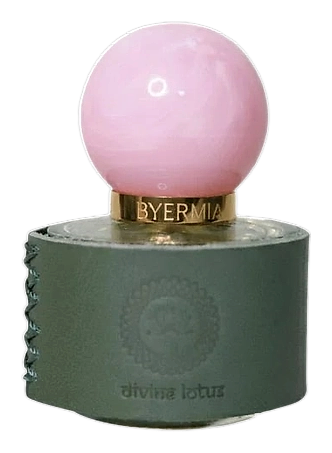
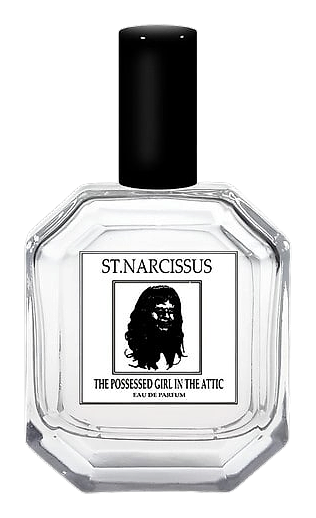
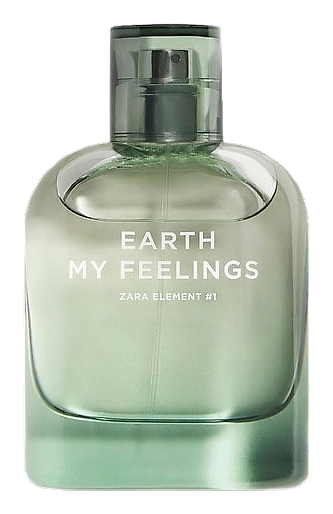
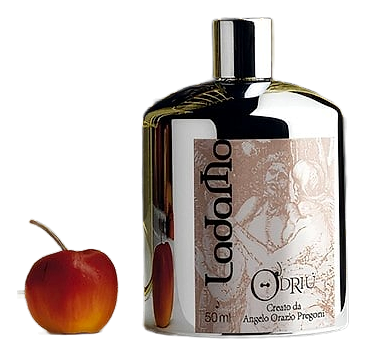
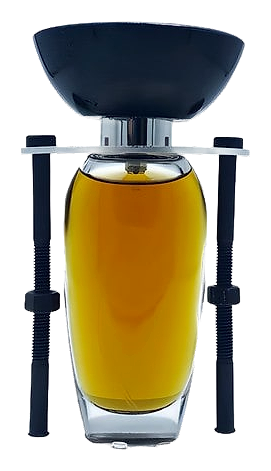
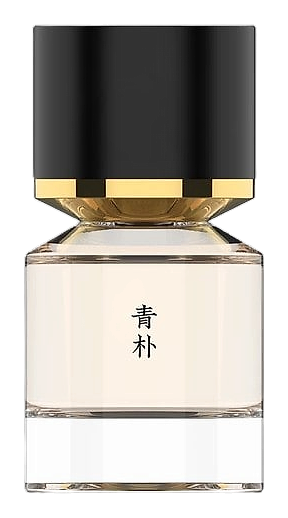
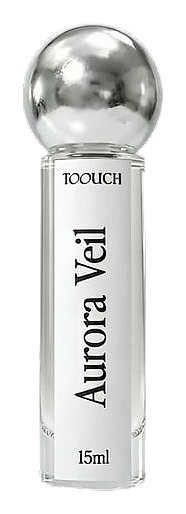
Brands
Brands known for Roots
Good to know
Questions, answered
The essentials on Roots in perfumery: how it smells, where it comes from, and how it behaves on skin.
What sensory character do root extracts bring to a perfume?
Root extracts add earthiness, depth, and a lingering mineral quality. A single drop of vetiver oil can extend a fragrance’s dry‑down by up to 12 hours, according to a 2021 study on scent longevity.
Are root ingredients natural or synthetic?
Both natural and synthetic versions exist, but most high‑end perfumes favor natural extracts for authenticity. Synthetic vetiver, introduced in 1889, reproduces the core sesquiterpene profile while reducing cost.
Which root is most commonly used for a powdery note?
Orris root provides the classic powdery nuance favored in vintage scents. The rhizome must age for at least three years before it yields a usable absolute, a practice documented by the International Perfume Foundation.
How does climate affect root oil quality?
Cool, well‑drained soils enhance the terpene content of vetiver roots. Samples harvested in the Western Ghats of India in 2020 showed a 15 % higher α‑vetivone concentration than those from hotter lowland farms.
Can root extracts cause skin irritation?
Some root oils, especially undiluted ginger oil, can be sensitizing. Patch‑test data from 2018 indicate a 2 % incidence of mild irritation among volunteers using 5 % ginger oil in a carrier.
Do root extracts interact with other fragrance families?
Root notes blend well with woods, spices, and florals, anchoring volatile top notes. In a 2019 formulation trial, adding 3 % vetiver oil to a citrus‑floral blend increased perceived longevity by 20 %.
Is sustainable sourcing possible for root ingredients?
Yes, certified organic farms in India practice rotational harvesting, allowing roots to regrow. The 2022 Sustainable Aroma Report recorded a 30 % increase in certified vetiver acreage over the previous year.
What is the typical shelf life of a root absolute?
When stored in dark glass at 15 °C, a root absolute remains stable for up to five years. Laboratory analysis in 2020 showed less than 5 % oxidation in orris absolute after 60 months.