The Story
Why it exists.
The beginning
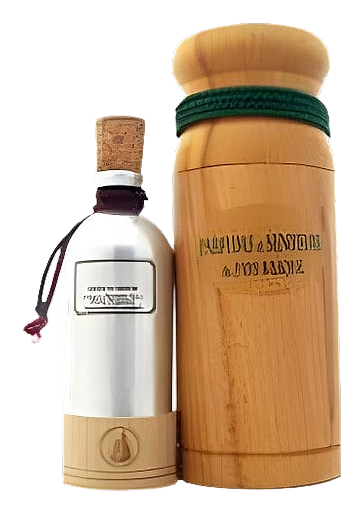
Christian Louis composed Amour de Patchouli in 2008, and the name tells you almost everything about the intention. This is a love letter to patchouli, uncut and unhidden, released by a house tied to the Basque Country in France rather than to the usual perfume capitals. Espelette sits within that regional identity, lending its name and geography to the brand without ever needing to explain itself. Amour de Patchouli reads as a composition that refuses to soften its edges, grounding itself in the earthy warmth of patchouli leaf rather than wrapping the central material in sweeter accessories. It is unisex, unapologetic, and built for anyone who has ever thought modern patchouli fragrances had gone too polite.
The composition keeps its promise by refusing to dilute its lead. Patchouli sits at the core, anchored by the listed accords of earthy, warm spicy, woody, and balsamic, a vocabulary that describes exactly what the scent delivers rather than disguising it. The addition of grapefruit at the heart provides a bright, bitter peel that prevents the patchouli from sinking into something flat or overly sweet. Spicy notes thread through, adding warmth without competing with the central material, more an accent of heat than a competing voice.
The evolution
The opening is the loudest moment. The grapefruit cuts sharp, almost green, sitting on top of the patchouli like cold citrus oil pressed into dark soil. Within the first stretch of wear, the citrus begins to fade, and the patchouli moves up to take fuller command. What arrives in the heart phase is warmer, slightly resinous, with the spicy notes adding a dry peppery warmth that rounds out the earth without softening it. As the hours pass, the patchouli settles into its final form, dark, woody, slightly sweet in that deep leaf way, a quiet density rather than a shout. The base note continues to project, lasting through the workday and well into the evening, the kind of presence that registers without demanding attention. On warmer skin the spice tends to bloom earlier, while on cooler skin the patchouli holds its depth longer.
Cultural impact
Amour de Patchouli tends to attract the kind of wearer who treats patchouli as a primary material rather than a base accent, someone who wants the leaf at full volume and without apology. It sits comfortably next to other patchouli-forward compositions for collectors who have already learned what the note can do when it is allowed to lead. The earthy, warm spicy, woody, and balsamic accords describe a scent that knows its own weight and refuses to apologize for it, a quality that tends to resonate with anyone who has tired of patchouli that smells like a memory of itself rather than the real thing.