
The Story
Why it exists.
The beginning
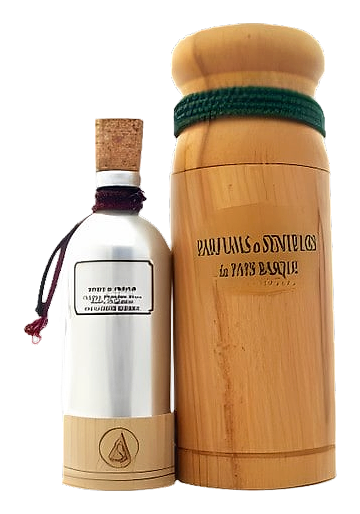
Le Parfum Basque was launched in 2007 by Christian Louis, a French perfumer whose house, Parfums et Senteurs du Pays Basque, operates between Paris and the Basque Country. Le Parfum Basque reads as a direct translation of that place. The name is the project: this is what the country smells like to someone who grew up there, distilled into a bottle. Louis works out of Paris and the Basque Country, and Le Parfum Basque carries the salt air, deep green, and resinous wood of the southwestern French coast in its composition. It is a body perfume, a line that translates regional atmosphere into wearable form, and this particular fragrance stands as one of the clearest examples of that approach.
The composition is almost radical in its restraint. The top note is sea water, unadorned. The heart is a single material, patchouli, chosen for its earthy green depth. And the base is two coniferous materials, fir and juniper, that close the scent like walking out of a salt-wind clearing and into a pine grove. There is no citrus sparkle in the opening, no cucumber cooling, no ozonic lift, nothing standing between the wearer and the briny marine accord. It is a landscape composition, built the way a painter builds an atmosphere rather than a florist builds a bouquet.
The evolution
The opening is cold salt and open air, the kind of marine accord that reads as actual seawater rather than synthetic calone. There is no citrus buffer, no cucumber cooling, nothing between you and the briny top. The patchouli surfaces once the salt begins to recede, and the shift is unmistakable, the marine wind dies down and green, earthy depth takes its place. The fir arrives gradually, resinous and sharp, joining the juniper in the base to create something that smells less like a forest and more like the edge of one, where conifers meet exposed rock. The composition settles into a quiet, coniferous stillness as it wears. It holds at a comfortable distance through the early hours, then pulls closer to the skin in the late drydown. The final phase is a whisper of fir and salt on fabric, the kind of scent that stays present on a scarf or a collar long after application.
Cultural impact
Reviewers consistently note its distance from mainstream aquatic conventions, calling it a marine scent that does not smell synthetic. The fragrance earns recognition for its restraint and its strong sense of place, with the marine accord reading as genuine seawater rather than a laboratory approximation of the coast. It appeals to wearers who want atmosphere and locality in their fragrance, and who prefer a quiet, grounded composition over louder, more performance-driven scents. The fir and juniper drydown gives it a finish that sits comfortably alongside other atmospheric niche work.