The Story
Why it exists.
The beginning
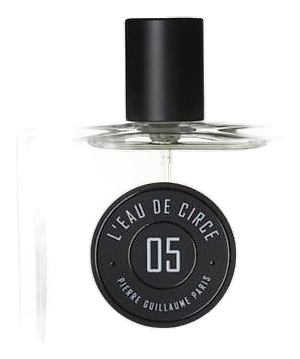
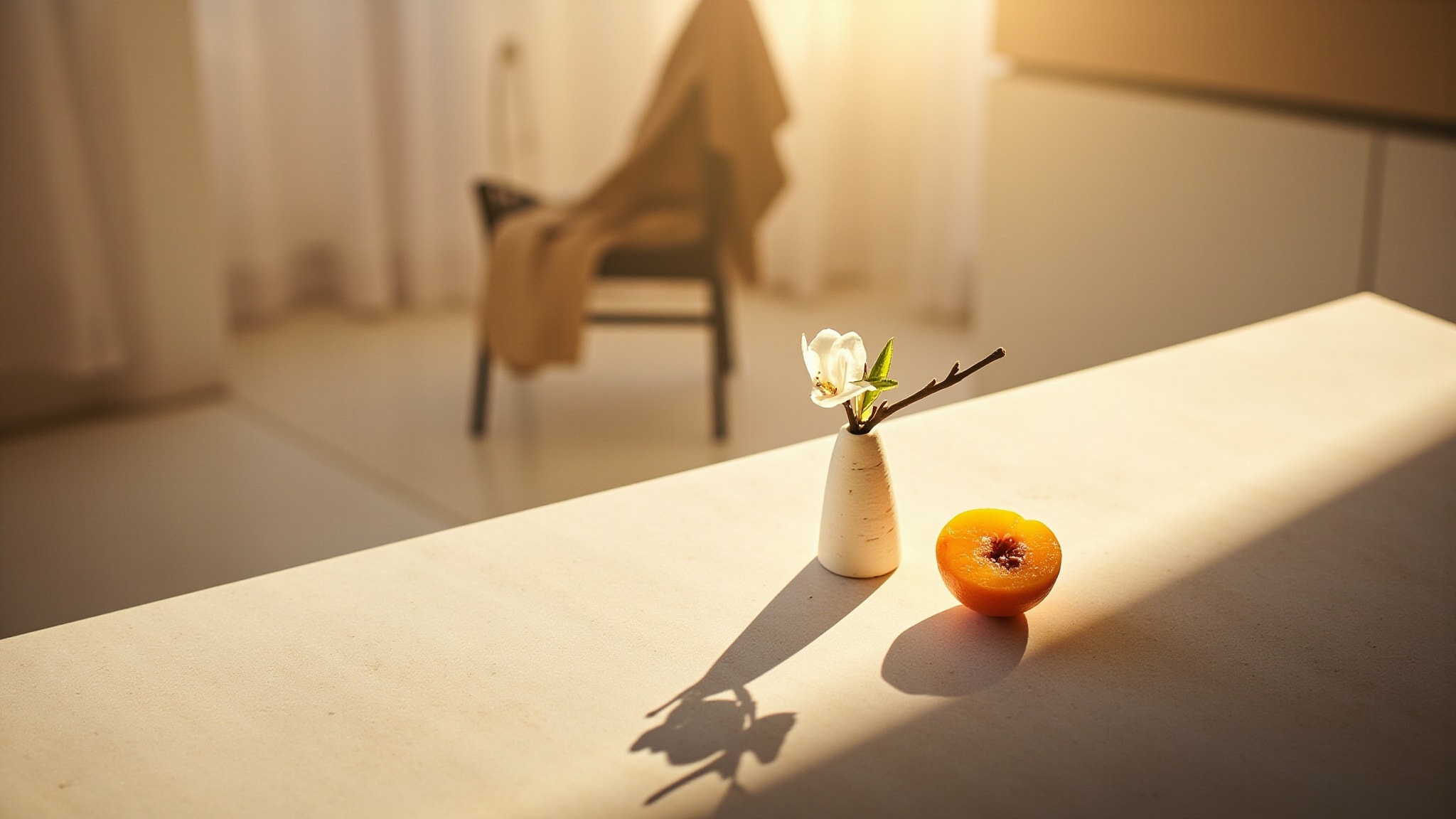
L'Eau de Circe draws its name from Circe, the mythological figure from Homer's Odyssey who enchanted sailors with potions that shifted their nature. Pierre Guillaume translated that power into scent: not a fragrance that announces itself, but one that pulls you in. The osmanthus absolute is the spell itself, apricot-sweet and quietly hypnotic, surrounded by the bright translucency of white peach and mandarin. Orange blossom adds a clean floral counterpoint, while woody notes and amber ground the composition in something warmer, older, harder to shake. This is fragrance as seduction, calibrated for intimacy rather than impact. The name wasn't chosen for spectacle. Guillaume has long been interested in mythological resonance, in the way ancient stories carry emotional truth that still lands today. Circe transforms; she makes you want to stay.
The Numéraire collection, where L'Eau de Circe lives, favors restraint. Small bottles, focused compositions, no wasted gestures. What makes this particular fragrance unusual is the osmanthus absolute at its center. It's not a common material in Western perfumery. The apricot-pulp sweetness it carries is hard to replicate with other ingredients, and when combined with white peach, the effect is something that reads as both natural and slightly unreal. There's a synthetic quality to the lactonic notes that some wearers pick up, and that edge is intentional. The composition walks a line between the edible and the floral, never quite committing to either.
The evolution
The opening arrives quickly: mandarin and white peach hit first, bright and translucent. The osmanthus doesn't announce itself immediately. It builds underneath over the first twenty minutes, adding that apricot-pulp depth that distinguishes this from a standard fruity-floral. Orange blossom surfaces briefly, clean and soapy against the sweetness, then recedes. By the second hour, the heart has fully established itself. Honey, jasmine, and ylang-ylang warm the florals without adding weight. The amber and patchouli become more present, adding resinous depth. This is where the fragrance feels most complete: the sweet-floral warmth hasn't faded, but the structure underneath has become more apparent. The drydown is soft. Sandalwood and amber hold on longest, staying close to the skin rather than projecting outward. Sillage drops to intimate within an hour of the heart settling. On fabric, expect 6-8 hours with a quiet skin-warm trace by morning.
Cultural impact
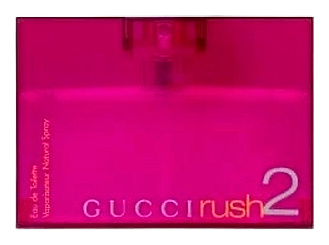
Part of the Numéraire collection, L'Eau de Circe has attracted a devoted following among collectors who seek out osmanthus in Western perfumery. The fragrance occupies a specific niche: sweet enough to satisfy a gourmand sensibility, floral enough to remain elegant, with enough lactonic warmth to stand apart from more conventional fruity-florals. Wearers describe it as the kind of scent that invites questions without demanding attention. The comparison to Rush by Gucci surfaces periodically, though the osmanthus and the warmer, honeyed drydown distinguish this as its own proposition.