
The Story
Why it exists.
The beginning
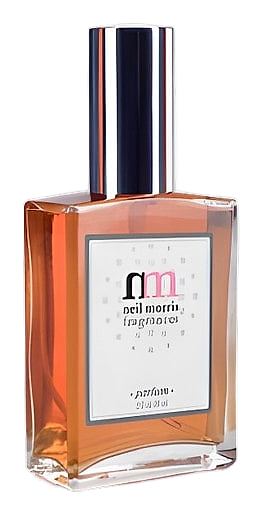
Prowl came to life in 2009 inside the studio of Neil Morris. The fragrance imagines a jaguar cutting through dense Amazonian cover, silent, low, deliberate, and translates that predator's poise into white florals spiked with pepper and a thread of civet warmth. Morris treats the jungle not as scenery but as the mood itself: lush, dangerous, barely tamed. The composition moves from a pepper-bright opening through a dense white floral heart built on tuberose, jasmine sambac, ylang-ylang, and night-blooming cereus, a flower whose single-night bloom cycle lends it an air of fleeting rarity. Beneath those blossoms, civet grounds the scent with its animalic musk, pulling the whole arrangement back toward the creature that inspired it.
The choice of night-blooming cereus in the heart is what makes Prowl feel like more than another white floral. Cereus opens only after dark and wilts by morning, a one-night event that gives it a rare and faintly illicit air. Paired with tuberose, jasmine sambac, and ylang-ylang, it creates a bouquet that feels nocturnal and slightly transgressive. The green stems and creamy indoles of the white florals push against each other, with the cooler, almost waxy facets of ylang-ylang tempering the denser, sunnier sweetness of tuberose and jasmine.
The evolution
The opening is a jolt, black pepper cracking against green tea's astringency, almost medicinal, like the air before rain in a greenhouse. The pepper has a dry, sharp bite, and the green tea adds a steely, slightly bitter edge that keeps the whole accord from feeling sweet. As the minutes pass, the florals push forward, and the composition turns creamy, almost edible, with honeysuckle and tuberose stacking up beside jasmine sambac. The white petals layer one on top of the other, each amplifying the next, the honeysuckle lending a dewy nectar note while tuberose brings its buttery, almost carnal weight. The green tea fades quickly, but the pepper stays threaded through everything, giving the heart a faint burn at the back of the throat, a quiet heat that never quite disappears. Eventually the white florals thicken into something warmer and less innocent.
Cultural impact
Prowl occupies a particular place within the catalogue because it leans so fully into civet, a material that most modern perfumery has retreated from in favor of cleaner synthetic musks and ambroxan substitutes. Civet in its traditional form carries a dense, almost fecal sweetness, and it takes a confident hand to balance it against a bouquet of white florals without letting the composition collapse into either the too-sweet or the too-animalic. Morris threads that needle by using the civet as a bass note rather than a lead, letting the florals dominate the surface while the musk pulls everything downward.