
The Story
Why it exists.
The beginning
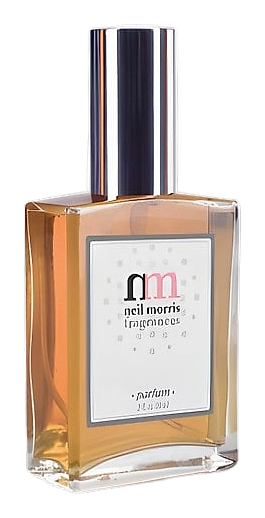
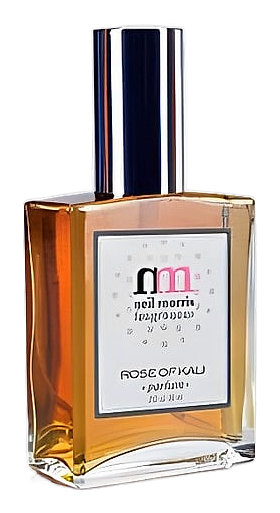
Rose of Kali takes its name from Kali, the Hindu Goddess of Birth, Death and Rebirth, a figure of fierce transformation rather than soft sentiment. Neil Morris built this fragrance as part of his Memories of India collection, translating a geographical and spiritual landscape into olfactory form. The choice of three roses, white, Indian, and Turkish, signals early that this isn't a single floral statement. Each rose brings its own register: the cool clarity of white rose, the honeyed depth of Indian Taif, the dusty warmth of Turkish rose in its later stages. These aren't layered for harmony alone. They're layered for argument. Rose of Kali doesn't recreate India. It recreates the feeling of remembering India: sensory, fragmented, heightened, slightly unreal.
Rose of Kali treats rose as a material with range, deploying white, Taif, and a darker Turkish interpretation across different stages of the wear. Each rose accord doesn't simply appear and disappear. Instead, they overlap and transition, creating a continuous dialogue between floral and darker elements. The Mexican chocolate accord is the structural surprise. It doesn't read as confection at first, it arrives dusty, almost animalic, with a fecal nuance that indie oil houses have used for years and mainstream houses have largely avoided.
The evolution
The opening is the clearest moment. Pear and white rose arrive together, crisp, bright, a little heady. The white rose smells like petals pulled fresh from a vase, stems still wet. This is the only genuinely fresh phase. Thirty minutes in, the Taif rose takes over and the character shifts. It becomes honeyed, darker, with a dusty quality that community reviewers have compared to potpourri left too long in a bowl. The fruit fades. The resinous depth arrives. By the second hour, the full base is singing: Mexican chocolate, patchouli, benzoin, myrrh, labdanum, oud, and incense smoke. The chocolate is the most surprising element at this stage, not sweet, not creamy, but dark and dense, like ganache infused with something smoky. The incense doesn't compete with the rose at this point. It surrounds it.
Cultural impact
The dusty chocolate, incense, and smoky rose combination divides opinion, the kind of character that earns devoted fans and leaves casual wearers uncertain. It's a good example of what makes the Neil Morris house worth watching: fragrances that wear their quirks openly rather than sanded down for mass appeal. The combination of rose and smoky chocolate creates something genuinely distinctive, neither purely floral nor fully oriential in character. The incense note weaves through the composition, adding depth without overwhelming the rose accord.
The House
Neil MorrisNeil Morris Fragrances is an American house that grew out of a kitchen laboratory in the 1960s. Founder Neil Morris began mixing oil blends for friends during the counter‑culture era, then opened a custom‑blended counter inside Bloomingdale's in 1970. Over the decades he has turned personal memory into scent, offering a catalogue that includes Rumi (2009), Dark Season (2008) and Chasing Autumn (2014). The brand remains a small, client‑focused operation where the perfumer’s name still appears on every bottle, a rarity in a market dominated by faceless houses.
The Creator
Neil MorrisMorris favors oil‑based compositions that linger on skin without the flash of alcohol. He works with rare botanicals such as Haitian vetiver, Madagascan vanilla, and Turkish rose, pairing them with subtle synthetic accords that add depth without overwhelming the natural heart.