
The Story
Why it exists.
The beginning
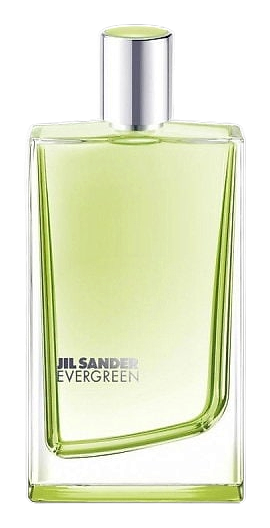
Evergreen arrived in 2014 as the third in Jil Sander's 'Ever' collection, following Eve (2011) and Everose (2012). Where its siblings leaned into different registers, one floral, one rosy, Evergreen sought something cleaner. Perfumers Olivier Polge and Céline Barel built it around a single idea: the clarity of nature distilled, not decorated. No excess. No ornamentation. Just the essential impression of green things and the air around them at a specific hour. The name says it all. This was a fragrance meant to feel like the word sounds, perpetually fresh, perpetually itself.
What makes Evergreen's structure interesting is the way it refuses to let any single layer dominate. The top is bright and fruity, grapefruit blossom and pear give it an immediate juiciness, but white pepper threads through early, preventing the opening from reading as sweet. In the heart, lily of the valley, rose, and jasmine layer together in a dewy floral accord that feels garden-adjacent rather than heady. The base is where restraint wins: sandalwood and vanilla provide warmth without weight, and patchouli keeps the whole composition grounded in something slightly earthy. Nothing peaks too loudly. Nothing lingers inappropriately.
The evolution
The opening is quick and clean, grapefruit blossom and pear arrive within seconds, sparkling against the skin. White pepper appears almost immediately, adding a subtle bite that prevents the citrus from reading as sweet. Within minutes the florals take over: lily of the valley and jasmine tangle with the rose, softened by warmth. A soapy clarity threads through the whole wear. In the heart, lily of the valley and jasmine tangle with the rose, dewy, heady, softened by warmth. The base is where it settles: sandalwood and vanilla, patchouli lurking underneath, a skin-close whisper that outlasts everything else.
Cultural impact
When Evergreen launched in 2014, it arrived during a period of renewed interest in clean, minimal fragrance design. Jil Sander had long been associated with restrained aesthetics, and Evergreen continued this tradition by offering a fresh, nature-inspired scent that stood apart from the opulent and complex fragrances dominating the market at the time. The launch reflected a broader cultural shift toward simplicity and authenticity in consumer products, particularly in beauty and fragrance. By focusing on clear, identifiable notes like grapefruit blossom, pear, and white pepper, Evergreen captured the essence of Scandinavian design principles that were gaining global influence.