Night-blooming Cereus
The night-blooming cereus flower lasts just hours—and has never been captured in a commercial extract. Yet its ghost haunts perfumery, inspiring some of the most haunting floral fragrances ever composed.
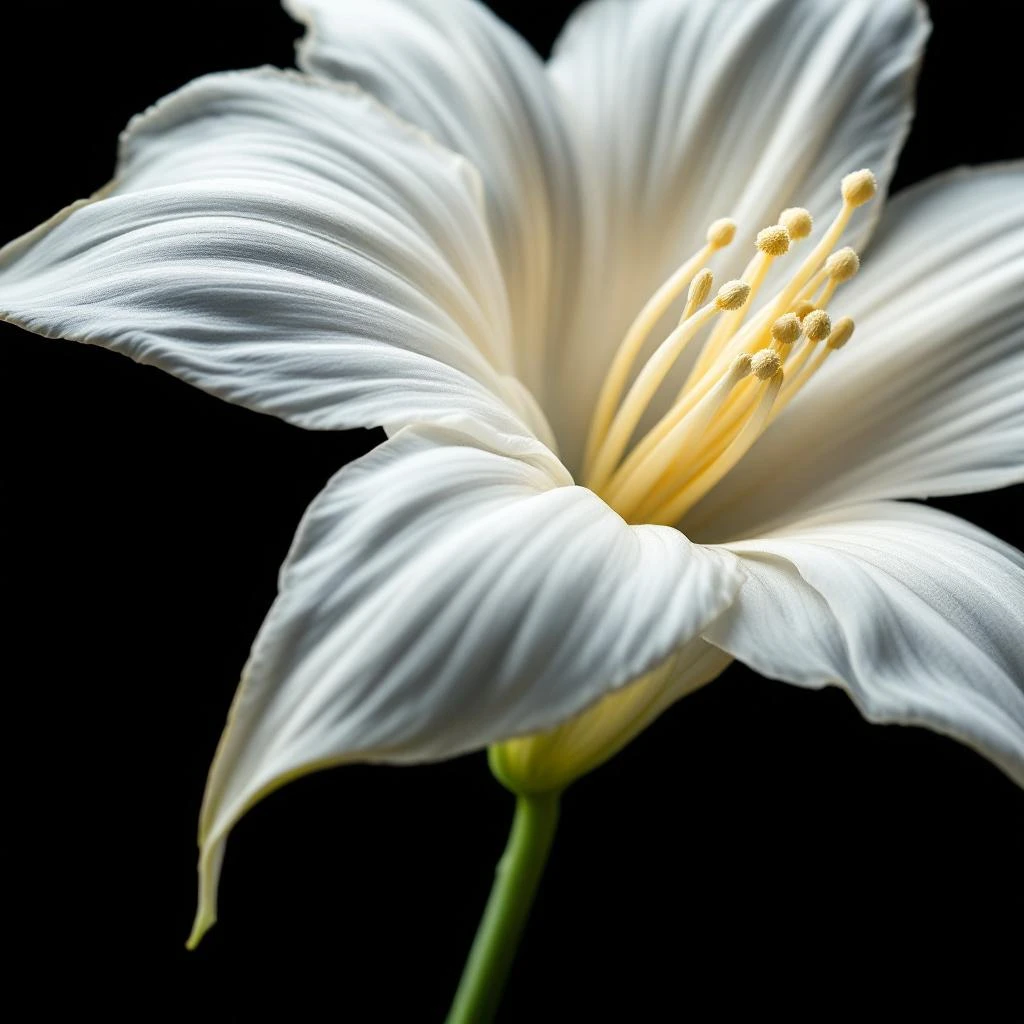
Character
How it smells
A flower that blooms once and vanishes—perfumery's most elusive muse.
One plant may bloom just one night per year. The entire global supply of natural cereus essence fits inside that single luminous hour.








Origin
Mexico
The night-blooming cereus carries a mythology disproportionate to its rarity in nature. Selenicereus grandiflorus, also called vanilla cactus or queen of the night, grows wild across Central America and the Caribbean. Its cousin Epiphyllum oxypetalum, the most cultivated ornamental variety, originated in Central America but spread across Asia centuries ago. European botanical collectors first described the plant in the 1700s, documenting its dramatic overnight blooming with breathless fascination.
In traditional Chinese medicine, dried cereus flowers have been used for centuries, notably in Cantonese slow-simmered soups. The plant also appears in Mexican folk medicine as a cardiac tonic. During the Victorian era's obsession with exotic botanicals, night-blooming cereus became a prized collector's specimen. Gardens charged admission when a plant prepared to bloom.
The flower's brief lifespan and dramatic appearance made it a symbol of fleeting beauty and unrequited desire in poetry and literature. Though never commercially extracted, the cereus flower cast a long shadow over perfumery, its scent inspiring accord after accord, note after note, in fragrances seeking that same elusive, intoxicating nocturnal bloom.
Wears it best
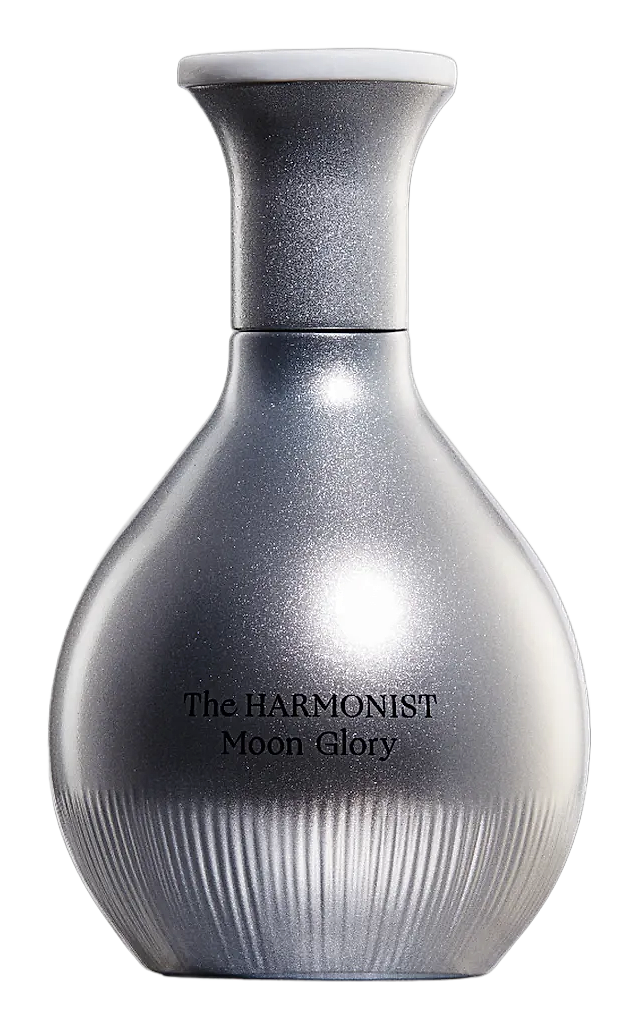
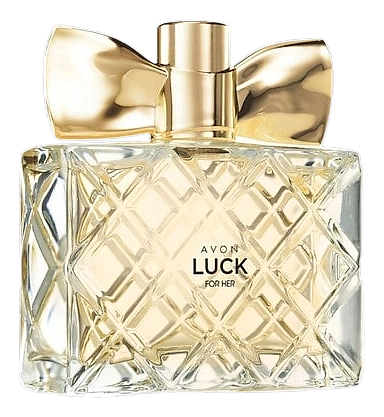
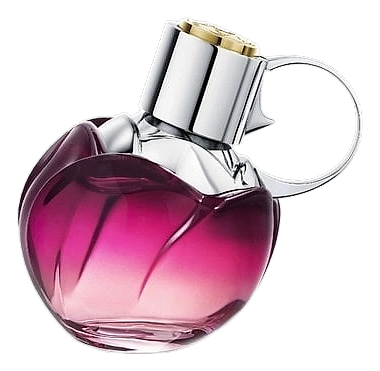
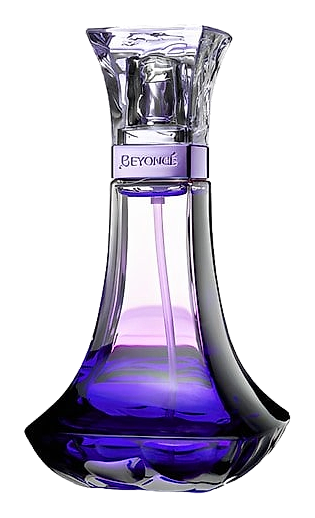
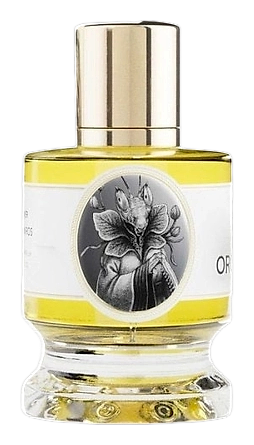
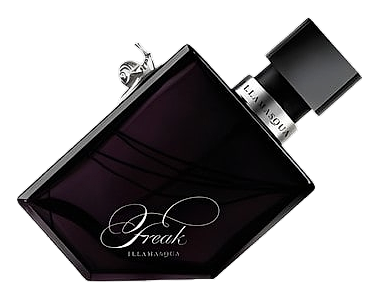
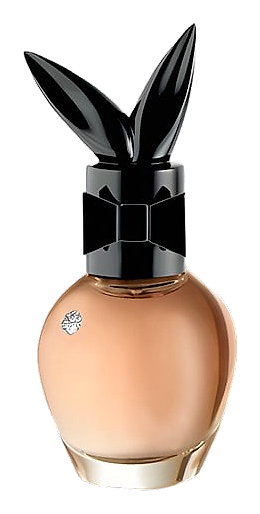
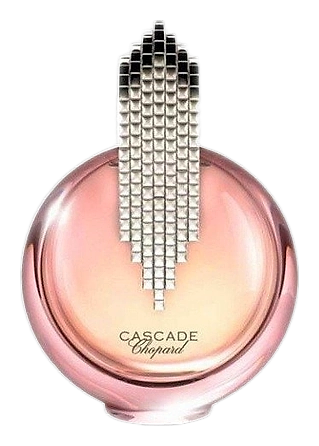
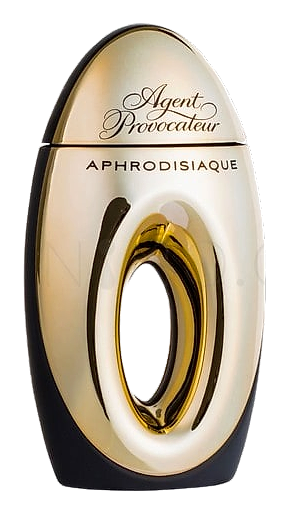
Fragrances featuring Night-blooming Cereus

Brands
Brands known for Night-blooming Cereus
Good to know
Questions, answered
The essentials on Night-blooming Cereus in perfumery: how it smells, where it comes from, and how it behaves on skin.
Does night-blooming cereus exist as a natural perfume ingredient?
No commercial natural extract of night-blooming cereus exists. The flower's single-night bloom cycle, tissue-thin petals, and minuscule yield make industrial extraction impossible. Perfumers recreate its scent using synthetic aromatic compounds.
What does night-blooming cereus smell like?
The scent is intensely floral, rich, and complex, with a distinctive creamy sweetness often compared to ylang-ylang. Notes of vanilla, jasmine, and a subtle animalic quality from indole define its character. The fragrance is potent enough to fill an entire garden on bloom night.
Why can't natural cereus extract be made?
A single cereus plant may bloom just one night per year. The flowers open at dusk and wilt by morning. The petals bruise and brown at the slightest touch, and yield is negligible. These factors make any commercial extraction economically and logistically impossible.
How do perfumers capture the cereus effect?
Perfumers build cereus accords from scratch using aromachemicals. Key components include indole for the heady, almost animalic depth, linalool for sweet floral warmth, and various other synthetic materials that together approximate the natural flower's complex nocturnal scent.
What fragrances feature night-blooming cereus?
Cereus appears as an accord in many white floral fragrances. It often surfaces in perfumes described as nocturnal florals or tropical gardenias. The note functions as a supporting element rather than a star, lending depth and exoticism to jasmine-ylang constructions.
What is the plant also called?
Night-blooming cereus goes by several names: Selenicereus grandiflorus in its cactus form, Epiphyllum oxypetalum as the ornamental orchid cactus, and queen of the night as the most poetic common name. All varieties share the same fleeting single-night bloom pattern.
Is there any historical use of cereus in perfumery?
Phalon's Extract of Night-Blooming Cereus appeared in the 1800s, likely produced through manual enfleurage on tiny quantities of hand-collected blooms. These artisanal efforts produced only minute amounts and never scaled to commercial production.
Does cereus have traditional uses beyond perfumery?
In traditional Chinese medicine, dried cereus flowers appear in medicinal preparations and culinary dishes like slow-simmered Cantonese soups. Mexican folk medicine used the plant as a cardiac remedy. These applications valued the flower for its purported therapeutic properties, not its fragrance.