The Story
Why it exists.
The beginning
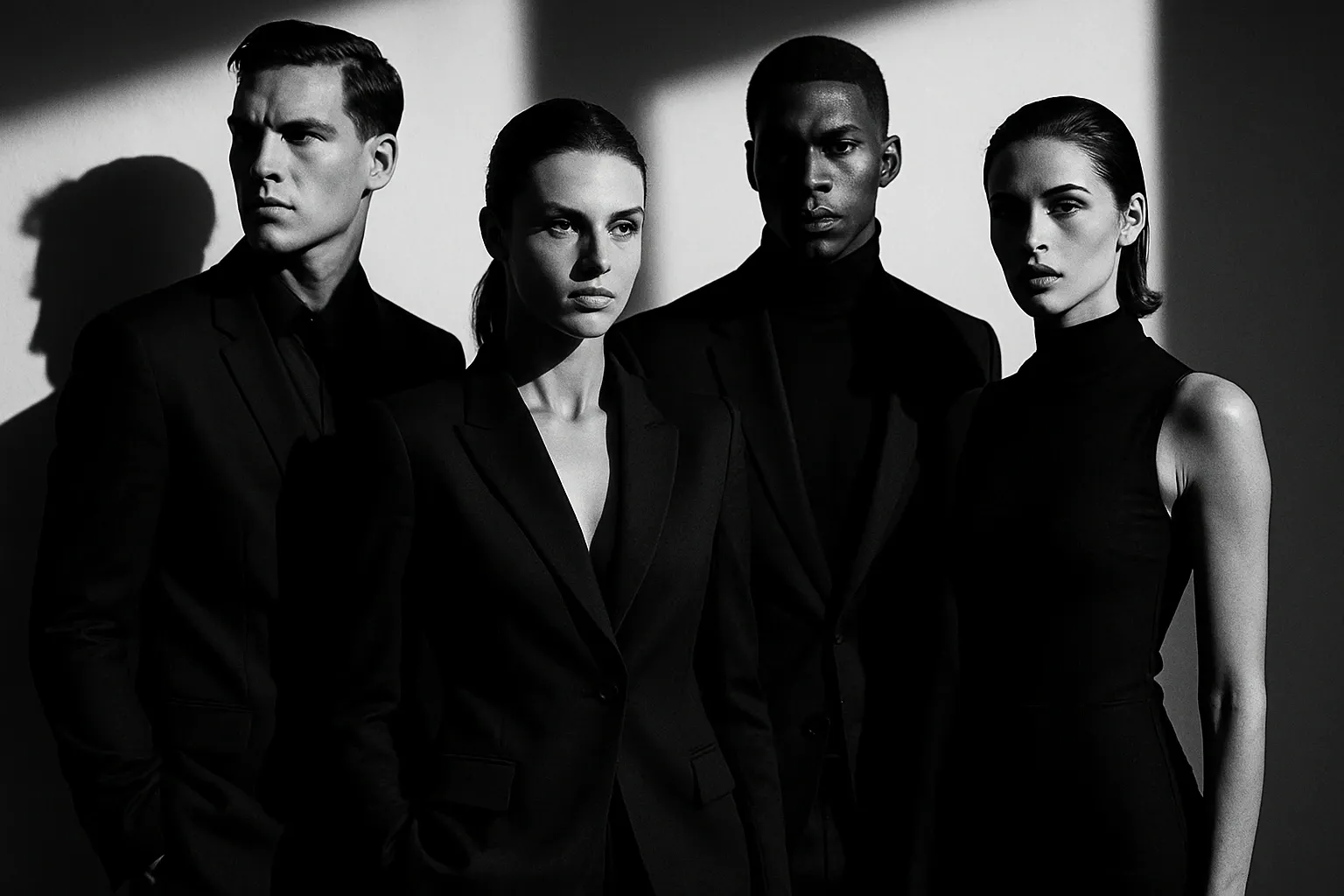
Rodrigo Flores-Roux conceived El as Arquiste's ode to the after-hours atmosphere of 1970s Acapulco beachside discos. Drawing from archival photographs of neon-lit dance floors and the scent of nearby herb gardens, Flores-Roux translated these visual and olfactory memories into a modern fougère structure. The brief called for something that could bridge the gap between the crisp, salty air of a Pacific beach at night and the humid, crowded energy of a dance floor. Bay leaf and rosemary evoke the herb gardens bordering those discos while geranium adds a floral softness that recalls tropical flowers planted around the venues. The castoreum and oakmoss in the base represent the darker, more primal aspects of nightlife, the leather jackets and musk-scented bodies pressed together in the heat.
Flores-Roux's approach to the note pyramid treats the opening herbs not as a simple preamble but as an integral part of the fougère structure. Bay leaf and rosemary work together to create an aromatic freshness that reads differently than the citrus or aldehydic openings common to disco-era fragrances. The buckwheat honey and orange blossom pairing represents a deliberate choice to avoid the more common orange-honey combinations found in contemporary perfumes. Instead, the darker honey notes create an unexpected gravitas while orange blossom's slightly animalic quality anticipates the castoreum arrival.
The evolution
The journey from opening to drydown traces a complete arc of evening seduction. Bay leaf, clary sage, rosemary, and geranium create an initial impression that feels both clean and slightly dangerous, like a figure approaching through palm shadows. As clary sage's sweetness develops and the herbal edge softens, cardamom and cinnamon enter the picture, introducing the spices that will define the middle act. Buckwheat honey arrives with its distinctive dark, almost smoky character, differentiating El from fragrances that rely on lighter floral honeys. Orange blossom provides the final heart-layering, its slightly indolic quality adding sensuality without sacrificing elegance. The fougère foundation then takes over gradually: oakmoss and vetiver create the earthy base, patchouli adds its characteristic bitter-sweetness, and castoreum delivers the animalic signature that keeps the composition grounded in something real rather than purely romantic.
Cultural impact
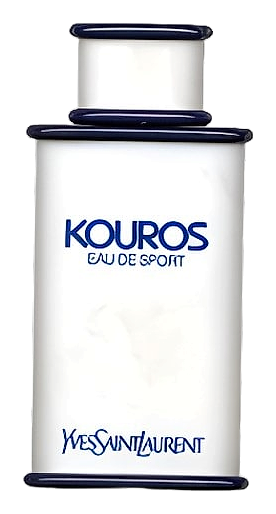
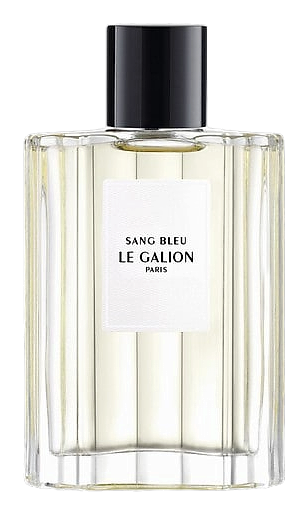
Wearers describe El as the scent of a night‑time reveler who never leaves the dance floor, a modern take on the classic fougère that feels both nostalgic and daring. Its animalic edge and herb‑spice blend have drawn comparisons to Kouros Eau de Sport (1970) and Sang Bleu (2015), yet the rosemary‑geranium freshness sets it apart. The fragrance has become a quiet favorite among those who seek a confident, lingering presence for after‑hours gatherings.